
Are Dental Implants Safe? Risks, Benefits & Expert Advice
Dental implants are one of the most trusted and effective solutions for replacing missing teeth, but are they truly safe?
If you’re considering dental implants in the UK, it’s natural to have concerns about risks, pain, and long-term success. In this guide, we’ll break down everything you need to know, from safety and benefits to expert advice, so you can make an informed decision.
What Are Dental Implants?
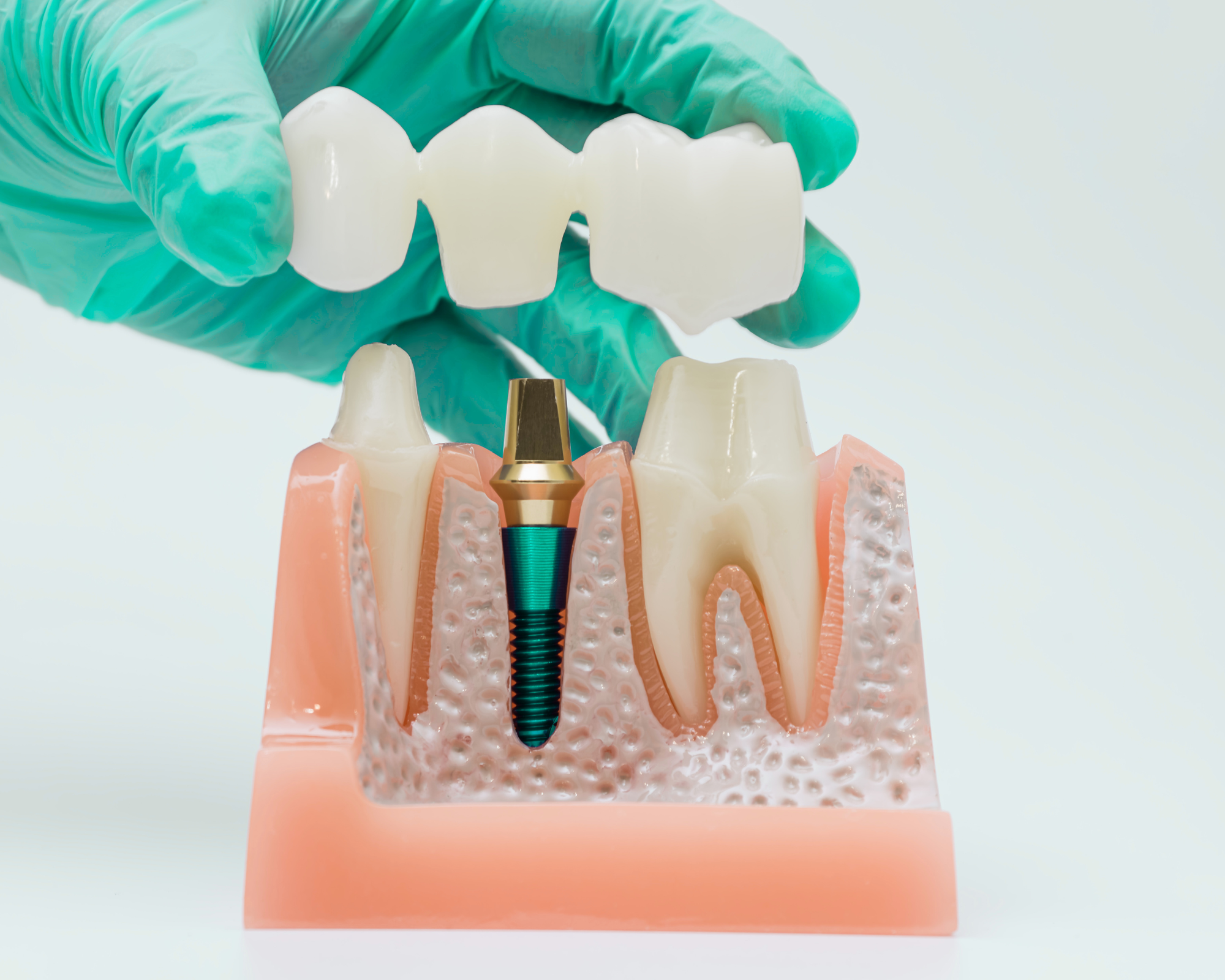
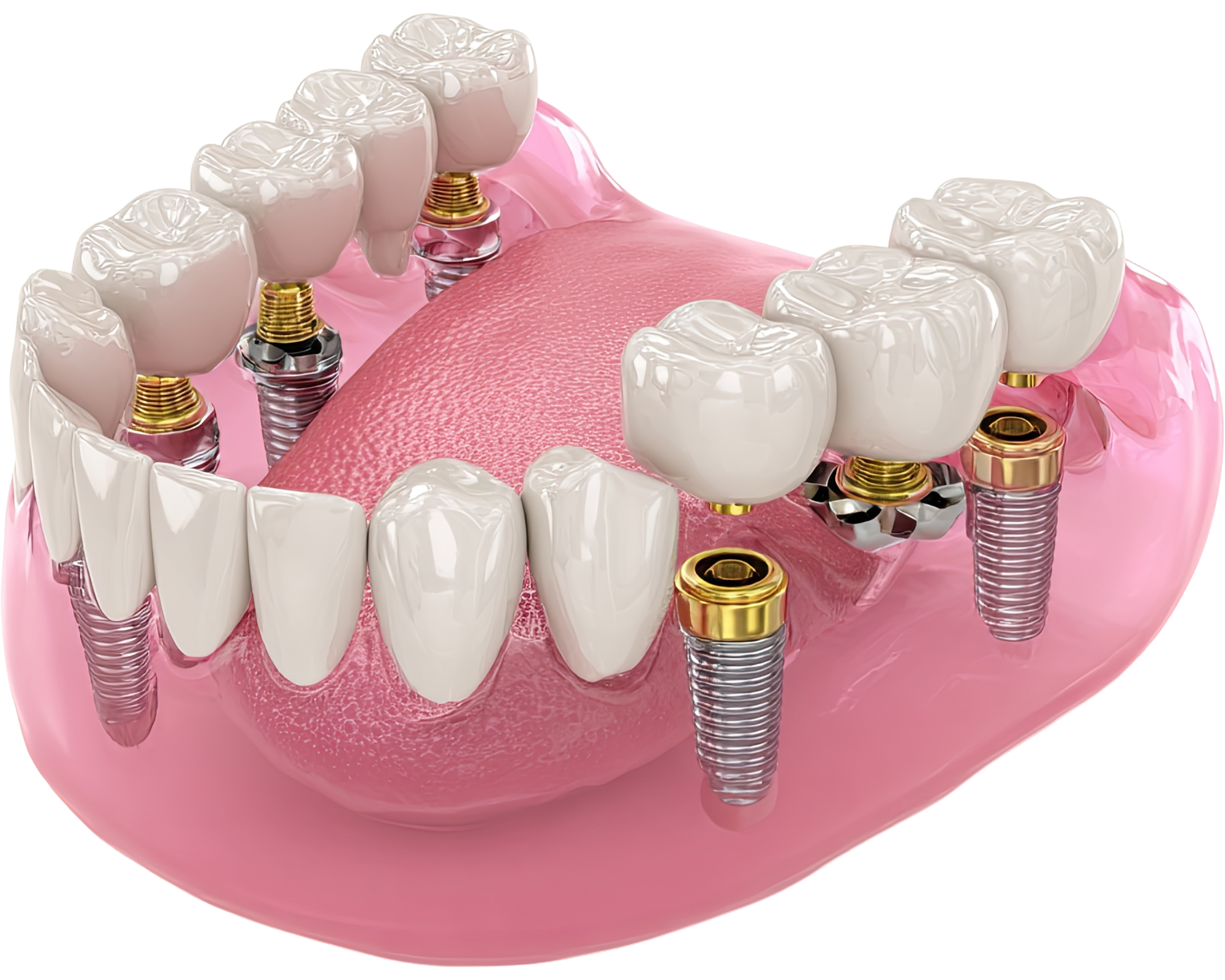
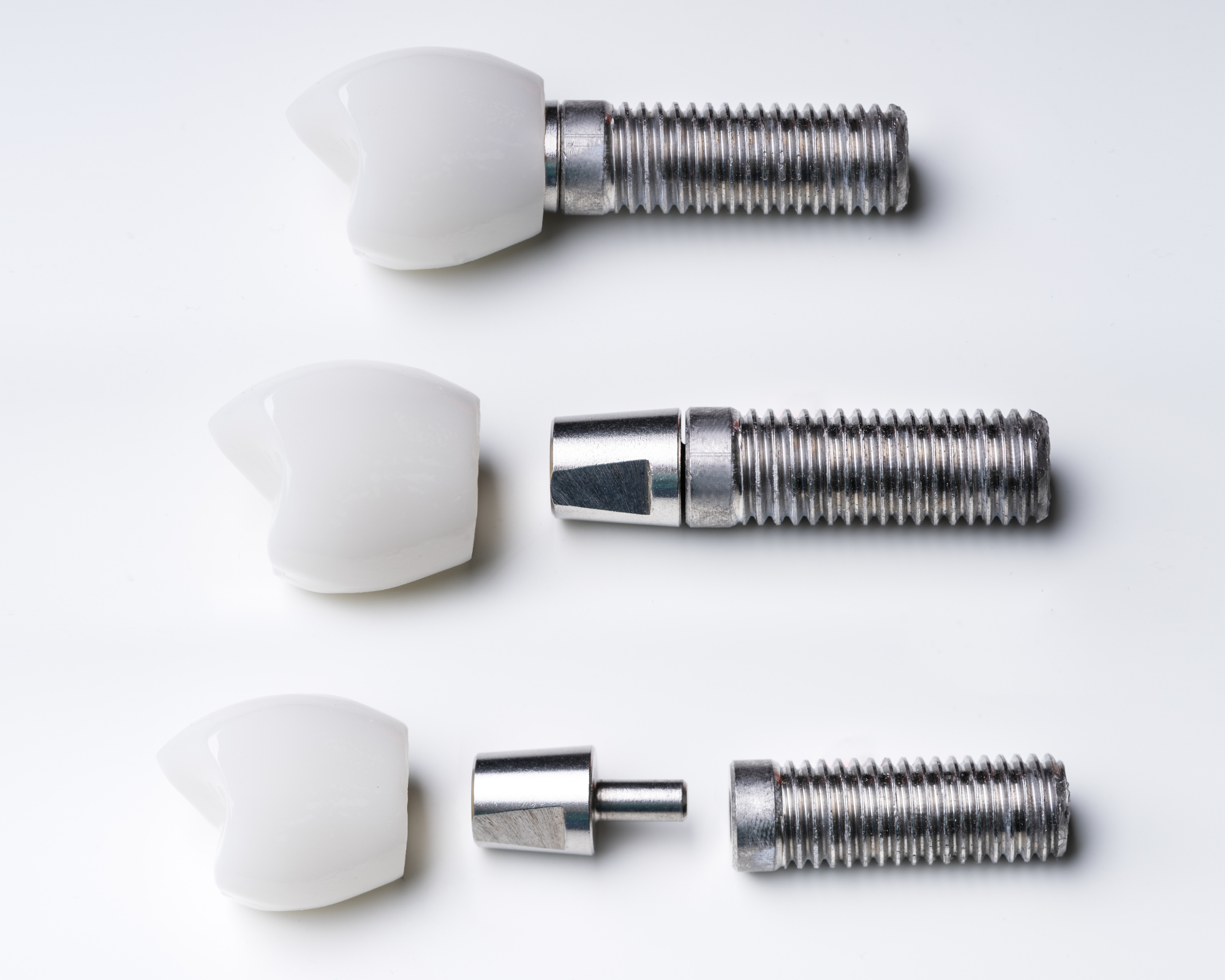
Dental implants are small, screw-like posts, usually made of titanium, placed into the jawbone to replace missing tooth roots. They act as a strong foundation for crowns, bridges, or dentures, restoring both function and appearance.
Are Dental Implants Safe?
In most cases, YES. Dental implants are considered very safe when performed by a qualified dental professional.
Studies show high success rates, with many implants lasting decades or even a lifetime when properly cared for.
However, like any surgical procedure, implants are not completely risk-free.
Key Benefits of Dental Implants
Dental implants offer both functional and aesthetic advantages:
1. Natural Look and Feel
Implants are designed to look, feel, and function like real teeth.
2. Improved Chewing and Speech
They restore full bite strength and eliminate issues caused by missing teeth.
3. Prevent Bone Loss
Implants stimulate the jawbone, preventing shrinkage that occurs after tooth loss.
4. Long-Term Solution
With proper care, implants can last for decades—making them a cost-effective investment over time.
5. Better Quality of Life
Patients often report improved confidence, comfort, and overall oral health.
Potential Risks and Complications
Although generally safe, dental implants do carry some risks:
Surgical Risks
Damage to nearby teeth or tissues
Sinus issues (for upper jaw implants)
Nerve damage causing numbness or tingling
Post-Surgery Complications
Infection at the implant site
Implant loosening or failure
Difficulty cleaning around the implant
Long-Term Risks
Peri-implantitis (gum infection around the implant)
Bone loss if the implant fails to integrate properly
Who Is a Good Candidate?
You’re more likely to have a successful outcome if you:
Are in good general health
Have healthy gums
Have sufficient jawbone density
Maintain good oral hygiene
You may not be suitable if you:
Smoke regularly
Have uncontrolled diabetes
Have gum disease
Are undergoing chemotherapy or radiation
Have a weakened immune system
Do Dental Implants Hurt?
The procedure itself is carried out under local anaesthetic, so you won’t feel pain during surgery.
Afterwards, mild discomfort, swelling, or tenderness is normal, but this usually subsides within a few days and can be managed with medication.
How to Reduce Risks and Improve Success
To maximise safety and long-term success:
Choose an experienced implant dentist
Follow all aftercare instructions carefully
Maintain excellent oral hygiene
Attend regular dental check-ups
Avoid smoking, especially during healing
Smoking, in particular, significantly increases the risk of implant failure.
Expert Advice Before Getting Dental Implants
Before proceeding, ask your dentist:
Am I a suitable candidate for implants?
What are the risks in my specific case?
How long will the healing process take?
What implant system will be used?
What are the long-term maintenance requirements?
Open communication with your dentist is key to achieving safe and successful results.
Final Verdict: Are Dental Implants Worth It?
For most patients, dental implants are a safe, reliable, and life-changing solution for missing teeth.
While there are risks, as with any surgical procedure, the high success rate and long-term benefits often outweigh the drawbacks when treatment is properly planned and executed
Thinking About Dental Implants?
If you’re considering dental implants in the Birmingham UK, the best first step is a professional consultation. A personalised assessment will help determine whether implants are the right option for your oral health, lifestyle, and goals.
Book Your Implant Consultation
Take the first step toward restoring your smile.
Schedule a dental implant consultation to learn whether implants are the right option for replacing missing teeth and improving your oral health.
Your dentist will assess your needs and create a personalised treatment plan designed to restore your confidence and smile.