
What Are 5 Common Oral Health Diseases You Should Know
Oral health is an essential part of overall well-being, yet millions of people worldwide suffer from preventable dental and gum diseases. Poor oral health can affect more than just your teeth, because it may impact eating, speaking, confidence, and even general health.
According to the World Health Organization (WHO), oral diseases affect billions of people globally and are among the most common health conditions worldwide. Maintaining good oral hygiene and attending regular dental check-ups can help prevent many of these problems before they become serious.
Here are five common oral health diseases everyone should know about, including their symptoms, causes, and ways to prevent them.
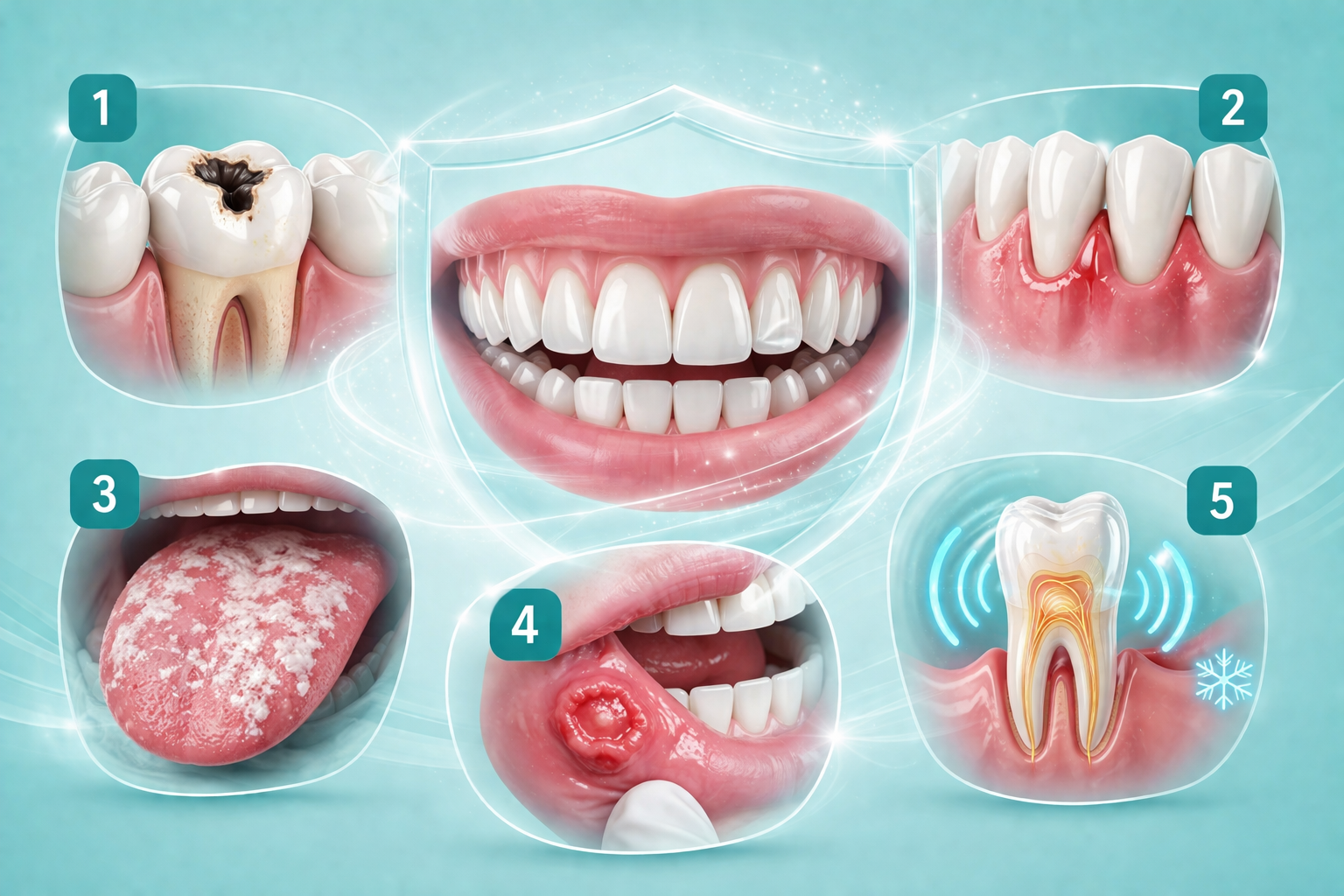
1. Tooth Decay (Dental Cavities)
Tooth decay, also known as dental caries or cavities, is one of the most common oral health problems worldwide.
It occurs when plaque bacteria produce acids that gradually damage the tooth enamel. If untreated, cavities can lead to pain, infection, and even tooth loss.
Common Symptoms
Toothache or sensitivity
Pain when eating sweet, hot, or cold foods
Visible holes or dark spots on teeth
Bad breath
Causes
Poor oral hygiene
Frequent sugary foods and drinks
Plaque buildup
Lack of fluoride
Prevention Tips
Brush twice daily with fluoride toothpaste
Floss regularly
Limit sugary snacks and drinks
Visit your dentist for regular check-ups and cleanings
The CDC states that cavities are highly common but largely preventable with proper oral care.
2. Gum Disease (Periodontal Disease)
Gum disease is an infection of the tissues that support the teeth. It usually begins as gingivitis, which causes inflammation of the gums. If untreated, it can progress to periodontitis, a more serious condition that may lead to tooth loss.
Common Symptoms
Red or swollen gums
Bleeding while brushing or flossing
Persistent bad breath
Receding gums
Loose teeth
Causes
Plaque and tartar buildup
Smoking
Poor oral hygiene
Diabetes and certain health conditions
Prevention Tips
Brush and floss daily
Get professional dental cleanings
Avoid smoking
Maintain a healthy diet
Early treatment is important because advanced gum disease can permanently damage the gums and bone supporting the teeth.
3. Oral Thrush
Oral thrush is a fungal infection caused by an overgrowth of Candida yeast in the mouth.
Although it can affect anyone, it is more common in babies, older adults, denture wearers, and people with weakened immune systems.
Common Symptoms
White patches on the tongue or cheeks
Redness or soreness
Difficulty swallowing
Cracking at the corners of the mouth
Causes
Poor denture hygiene
Weakened immune system
Antibiotic use
Dry mouth
Prevention Tips
Clean dentures properly
Maintain good oral hygiene
Rinse your mouth after using inhalers
Visit a dentist if symptoms persist
4. Oral Cancer
Oral cancer can develop in the mouth, tongue, lips, cheeks, or throat. Early detection greatly improves treatment success, which is why regular dental examinations are important.
Common Symptoms
Mouth sores that do not heal
Persistent mouth pain
Lumps or thickened areas
Difficulty swallowing
Red or white patches inside the mouth
Risk Factors
Tobacco use
Heavy alcohol consumption
HPV infection
Excessive sun exposure on lips
Prevention Tips
Avoid tobacco products
Limit alcohol intake
Attend regular dental screenings
Protect lips from sun exposure
Dentists often check for signs of oral cancer during routine examinations.
5. Tooth Sensitivity
Tooth sensitivity occurs when the protective enamel wears down or gums recede, exposing the inner layers of the tooth.
This can make teeth painful when consuming hot, cold, sweet, or acidic foods and drinks.
Common Symptoms
Sharp pain when eating or drinking
Sensitivity to cold air
Discomfort during brushing
Causes
Enamel erosion
Gum recession
Teeth grinding
Tooth decay
Aggressive brushing
Prevention Tips
Use toothpaste for sensitive teeth
Brush gently with a soft-bristled toothbrush
Avoid acidic foods and drinks
Treat underlying dental issues promptly
Why Oral Health Matters
Poor oral health can affect overall health and quality of life. Research has linked certain oral diseases to conditions such as heart disease, diabetes, and respiratory infections.
Good oral hygiene habits can significantly reduce the risk of developing many dental problems.
Healthy Oral Care Habits Include:
brushing twice daily
flossing every day
eating a balanced diet
limiting sugar intake
visiting the dentist regularly
avoiding tobacco products
When Should You See a Dentist?
You should schedule a dental appointment if you notice:
persistent tooth pain
bleeding gums
mouth sores that do not heal
loose teeth
swelling or infection
ongoing bad breath
Early diagnosis and treatment can help prevent more serious complications.
Final Thoughts
Oral diseases are common, but many are preventable with proper care and regular dental visits. Understanding the warning signs of conditions like tooth decay, gum disease, oral thrush, oral cancer, and tooth sensitivity can help you protect your smile and overall health.
Taking care of your teeth and gums today can prevent more complex dental problems in the future.
Book Your Consultation
At Euro Dental Care, we believe prevention is the key to a healthy smile. Our experienced dental team provides comprehensive dental examinations, hygiene treatments, and personalised care to help detect and prevent oral health problems early.
Whether you need a routine check-up, gum treatment, or advice on improving your oral hygiene, we are here to support your long-term dental health.
Book your appointment with Euro Dental Care today and take the next step toward a healthier, more confident smile.