
What Is Composite Bonding in Dentistry? Benefits & Costs
If you’re looking to improve your smile without invasive treatment, you may have come across composite bonding.
But what exactly is it, and is it worth it?
At Euro Dental Care in Birmingham, we often recommend composite bonding as a simple, effective way to enhance your smile. Here’s everything you need to know, including benefits, costs, and what to expect.
What Is Composite Bonding?
Composite bonding (also known as dental bonding or cosmetic bonding) is a minimally invasive cosmetic dental procedure where a tooth-coloured resin is applied directly to your teeth.
The material is carefully shaped, hardened with a special light, and polished to blend seamlessly with your natural teeth.
It’s commonly used to:
Repair chipped or cracked teeth
Close small gaps
Improve discolouration
Reshape uneven teeth
Create a more balanced, uniform smile
One of the biggest advantages? It’s usually completed in just one visit.
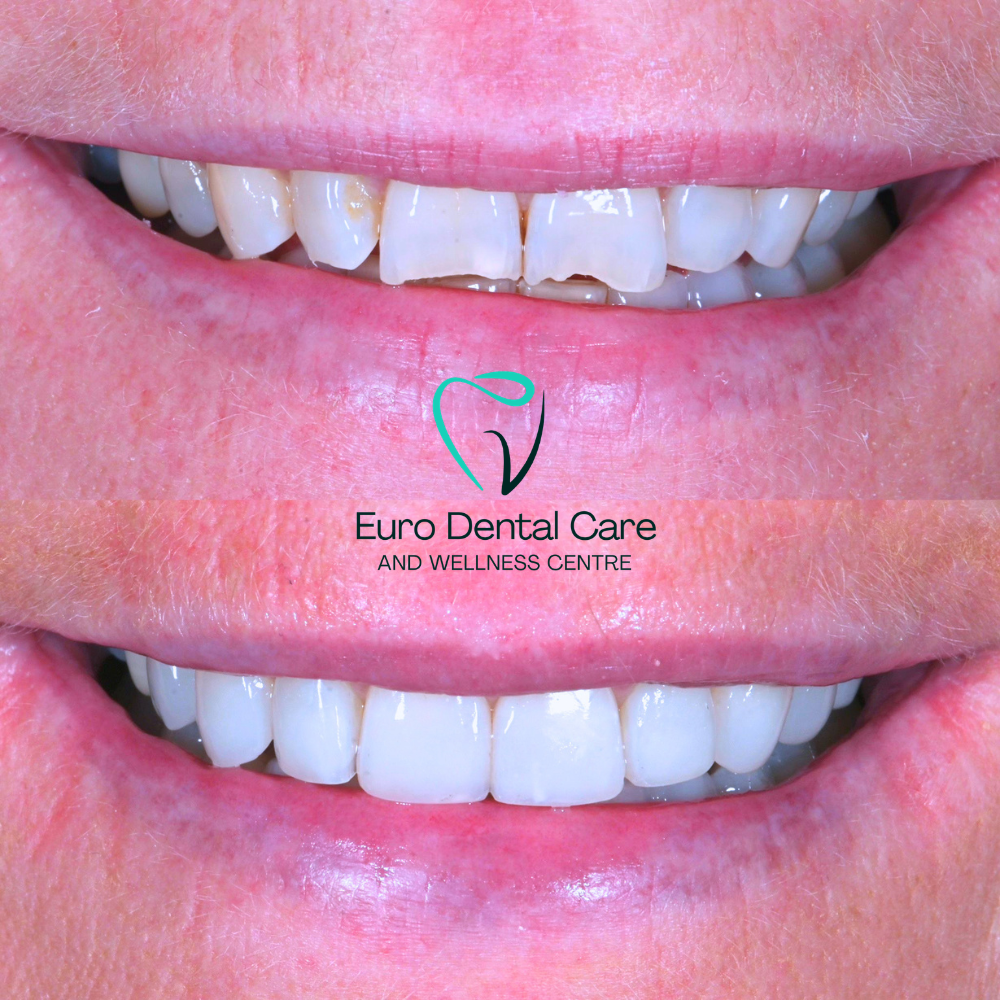
Before-and-after images showcasing a patient’s smile transformation with composite bonding at Euro Dental Care.
How Does Composite Bonding Work?
The procedure is quick, comfortable, and typically doesn’t require anaesthetic.
Here’s what to expect:
Teeth are cleaned and prepared
A shade-matched resin is selected
The composite is applied and sculpted
A curing light hardens the material
The tooth is polished for a natural finish
Each tooth usually takes around 30–60 minutes, depending on the complexity.
Benefits of Composite Bonding
Composite bonding is one of the most popular cosmetic treatments in the UK—and for good reason:
1. Minimally Invasive
Little to no drilling is required, meaning your natural tooth structure is preserved.
2. Immediate Results
Your smile can be transformed in a single appointment.
3. Natural Appearance
The resin is colour-matched to blend seamlessly with your teeth.
4. Affordable Cosmetic Solution
Compared to treatments like veneers, composite bonding is significantly more cost-effective.
5. Reversible Option
Unlike some treatments, bonding doesn’t permanently alter your teeth, making it a flexible choice.
Are There Any Downsides?
While composite bonding offers many benefits, it’s important to consider:
It may stain over time (especially with coffee, tea, or smoking)
It’s less durable than porcelain veneers
It may require maintenance or replacement after several years
With proper care, results can still last several years before needing touch-ups.
How Much Does Composite Bonding Cost in the UK?
The cost of composite bonding varies depending on the complexity and number of teeth treated.
Factors that affect cost include:
Dentist’s experience
Number of teeth treated
Complexity of the case
Materials used
Composite bonding is typically a private treatment in the UK and not covered by the NHS for cosmetic purposes.
Is Composite Bonding Right for You?
Composite bonding is ideal if you:
Have minor chips, gaps, or uneven teeth
Want a quick smile improvement
Prefer a non-invasive treatment
Are looking for a more affordable cosmetic option
However, it may not be suitable for:
Severe misalignment
Major structural damage
Heavy bite issues
A consultation is essential to determine the best option for your needs.
Expert Advice from Euro Dental Care
At Euro Dental Care in Birmingham, we focus on delivering:
Natural-looking results
High-quality composite materials
Tailored smile design
Comfortable, patient-focused care
Composite bonding is highly technique-sensitive, so choosing an experienced dentist makes all the difference in achieving long-lasting, aesthetic results.
Final Thoughts: Is Composite Bonding Worth It?
For many patients, composite bonding is a quick, affordable, and effective way to enhance their smile.
While it may not last as long as veneers, its non-invasive nature and immediate results make it an excellent option for subtle but impactful improvements.
Frequently Asked Question (FAQs)
-
Yes, many dental practices, including Euro Dental Care in Birmingham, offer flexible finance options to help spread the cost of composite bonding. This allows you to enhance your smile without paying the full amount upfront. During your consultation, we can discuss available payment plans and find an option that suits your budget.
-
No, composite bonding is generally painless. The procedure is minimally invasive and usually does not require anaesthetic. Most patients feel little to no discomfort during or after treatment.
-
With good oral hygiene and regular dental check-ups, composite bonding typically lasts between 5 and 8 years.
To help extend its lifespan:
Avoid habits like nail biting and chewing hard foods
Wear a mouthguard if you grind your teeth
Maintain regular hygiene appointments
Looking after your bonding properly will ensure you enjoy long-lasting, natural-looking results.
-
One of the biggest advantages is instant results, your smile can often be transformed in just one appointment.
-
Yes, composite bonding is commonly used to close small gaps (diastema) and improve the overall appearance of your smile without orthodontic treatment.
-
Yes, the composite material can stain over time, especially if you frequently consume coffee, tea, red wine, or smoke. Good oral hygiene and regular cleaning can help minimise staining.
Book Your Composite Bonding Consultation
Take the first step towards a more confident smile.
Find out if composite bonding is the right solution for you with a personalised consultation at Euro Dental Care.