
10 Essential Tips for Maintaining Healthy Teeth and Gums
Your daily habits play a crucial role in the health of your teeth and gums. Many common dental problems—such as cavities, gum disease, bad breath, and even tooth loss—often develop gradually due to poor oral hygiene and lifestyle choices. The good news is that with the right habits and preventive care, many of these issues can be avoided.
Maintaining healthy teeth and gums not only protects your smile but also supports your overall wellbeing. Many patients search for effective ways to prevent tooth decay naturally and improve gum health at home, and fortunately, small changes in your daily routine can make a significant difference.
In this guide, you will discover dentist-recommended tips to help maintain strong teeth and healthy gums for life.
Why Oral Hygiene Is Important for Long Term Dental Health
Poor oral hygiene allows plaque to build up on teeth and along the gum line. Over time, this can lead to:
· Tooth decay
· Gingivitis
· Periodontitis
· Bleeding gums
· Tooth loss
Preventive dental care is far easier and more cost-effective than restorative treatment. By establishing proper oral hygiene habits early, you can significantly reduce the risk of developing dental problems that may require more complex procedures in the future. Consistent preventive care helps protect your teeth and gums, supporting long-term oral health and reducing the likelihood of extensive dental treatment later on.
1. Use Proper Brushing Techniques Twice Daily
Brushing your teeth correctly is the foundation of maintaining strong teeth and healthy gums. Proper brushing helps remove plaque, food particles, and harmful bacteria that can lead to tooth decay, gum disease, and bad breath. When practised consistently and with the right technique, daily brushing plays a vital role in protecting your oral health and preserving your smile.
How to brush properly:
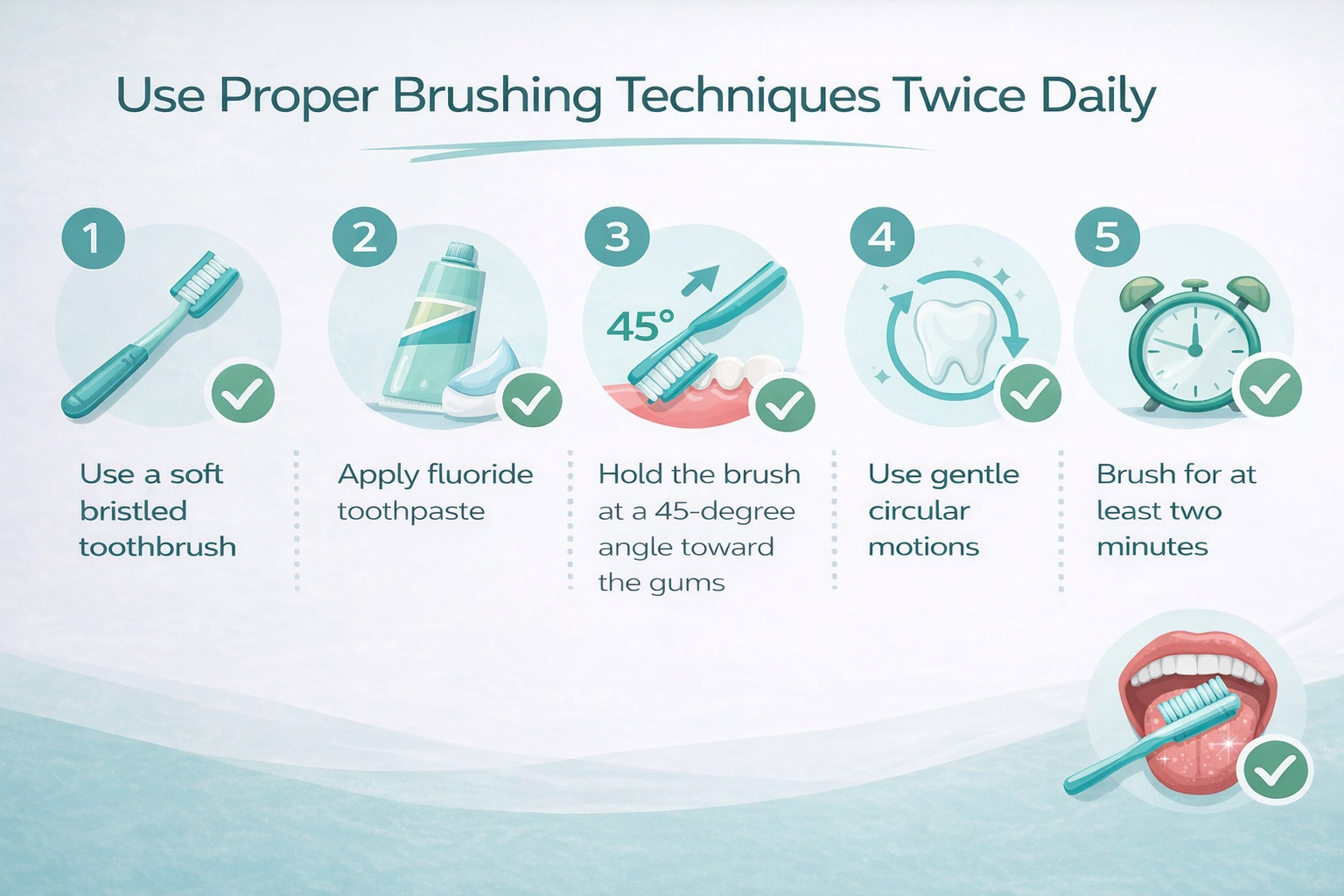
1. Use a soft bristled toothbrush
2. Apply fluoride toothpaste
3. Hold the brush at a 45-degree angle toward the gums
4. Use gentle circular motions
5. Brush for at least two minutes
6. Clean all surfaces including the tongue
2. Replace Your Toothbrush Regularly
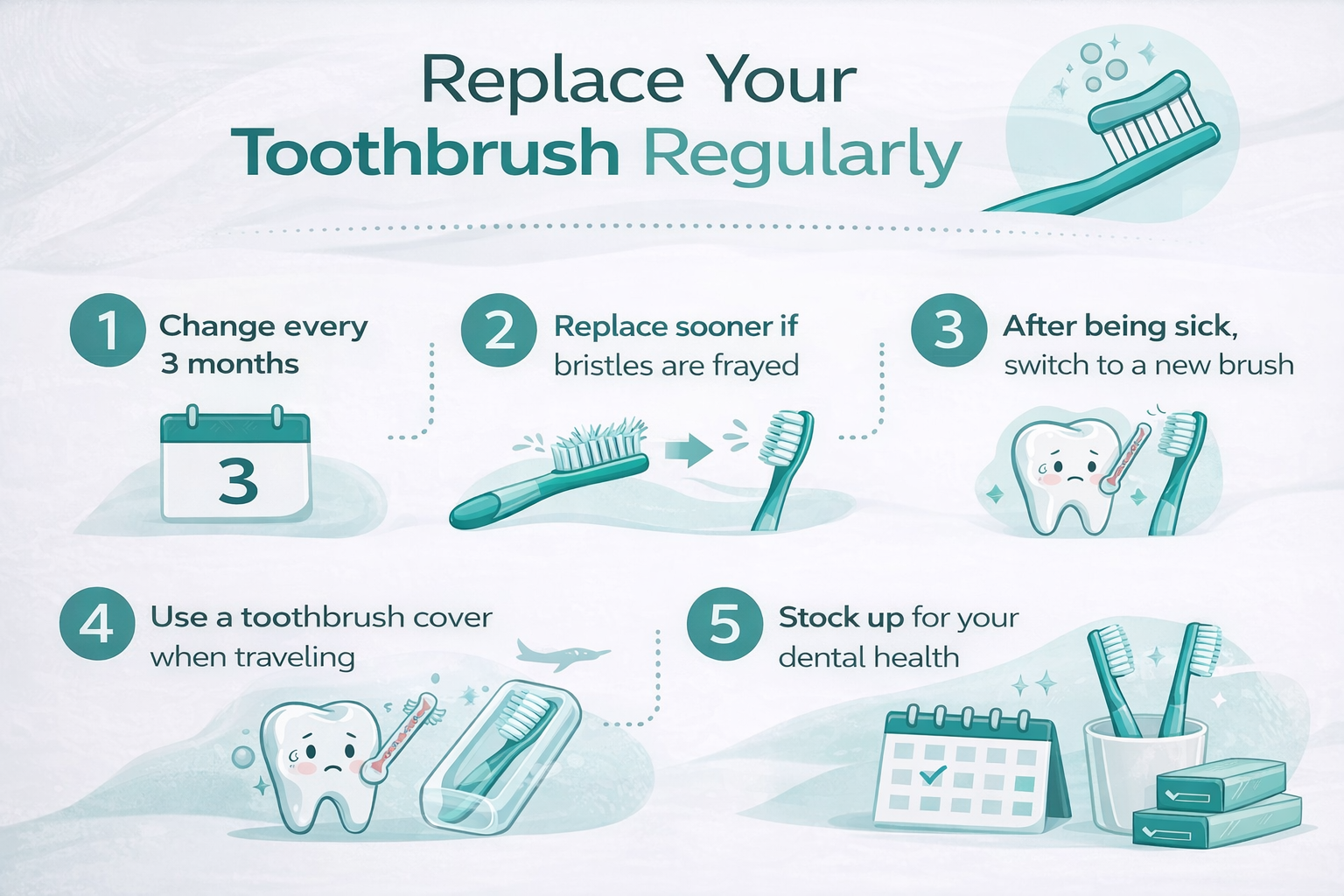
A worn toothbrush cannot clean your teeth effectively. Over time, toothbrush bristles become frayed and lose their ability to remove plaque properly. For optimal oral hygiene, it is recommended to replace your toothbrush every three months, or sooner if the bristles appear worn.
Using a fresh toothbrush helps improve plaque removal, supports healthier gums, and contributes to better overall dental care.
3. Understand the Importance of Flossing for Gum Health
Flossing is one of the most important yet often overlooked aspects of good oral hygiene. While brushing cleans the surfaces of your teeth, a toothbrush cannot effectively reach the spaces between them where plaque and food particles often accumulate. Regular flossing helps remove this build-up, reducing the risk of tooth decay, gum disease, and bad breath while supporting healthier gums and overall oral health.
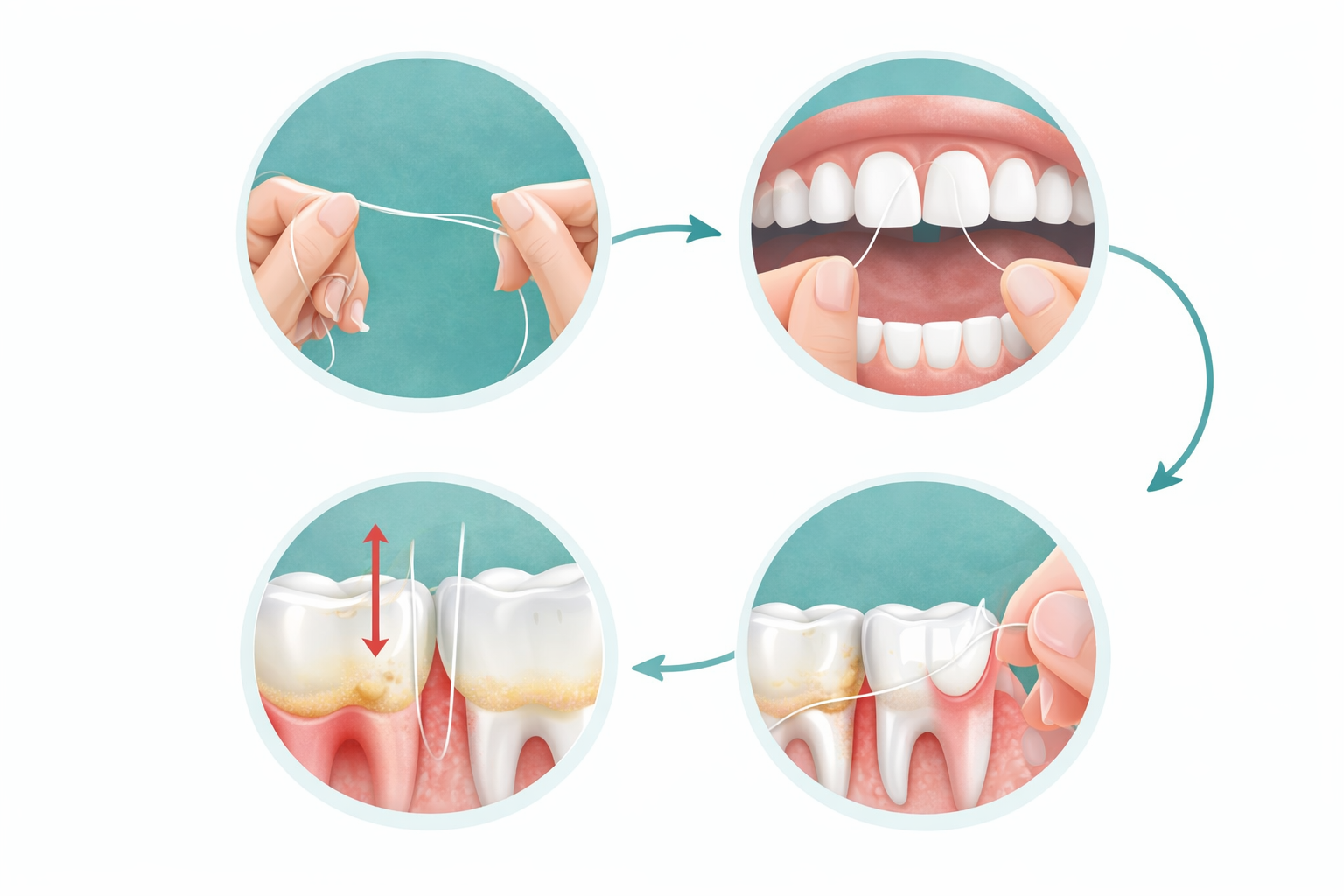
Benefits of daily flossing:
1. Removes Plaque & Food Debris
2. Reduces Gum Inflammation
3. Prevents Cavities & Tartar
4. Maintains Fresh Breath
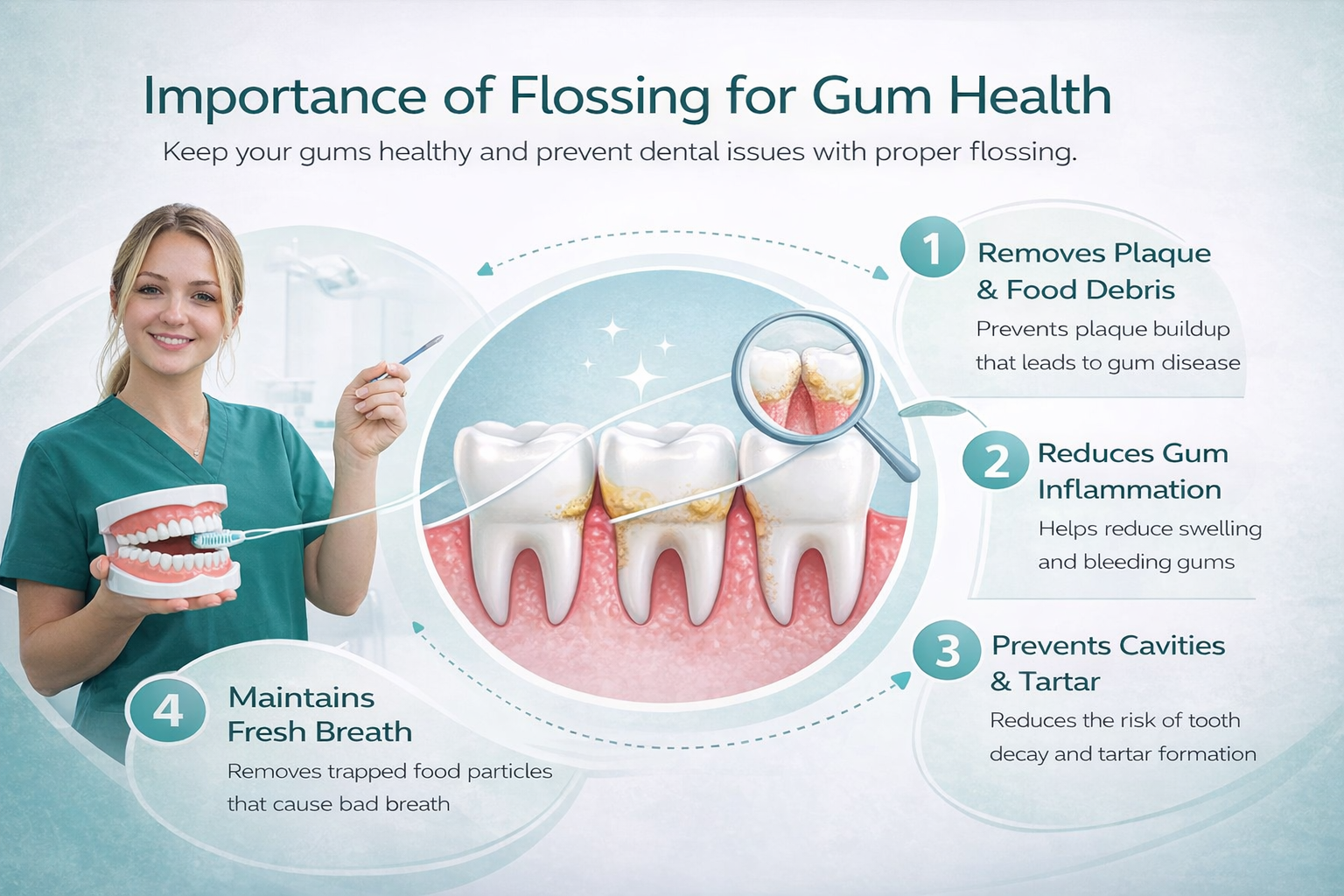
Floss at least once a day to protect your gums and maintain long-term oral health.
4. Schedule Regular Dental Visits

Even with excellent home care, regular professional dental check-ups remain essential. Routine dental visits allow your dentist to identify early signs of cavities, gum disease, and other oral health concerns before they develop into more serious problems. Early detection and preventive care help protect your teeth and gums, ensuring better long-term oral health.
Why routine dental check-ups matter:
· Professional teeth cleaning
· Removal of tartar buildup
· Early cavity detection
· Gum disease prevention
· Oral cancer screening
Most patients benefit from visiting the dentist every six months for preventive dental care. Regular dental check-ups allow your dentist to monitor your oral health, perform professional cleanings, and identify potential problems such as cavities or gum disease at an early stage. Routine visits play an important role in maintaining healthy teeth and gums and reducing the need for more complex dental treatments in the future.
5. Follow a Diet That Supports Healthy Teeth
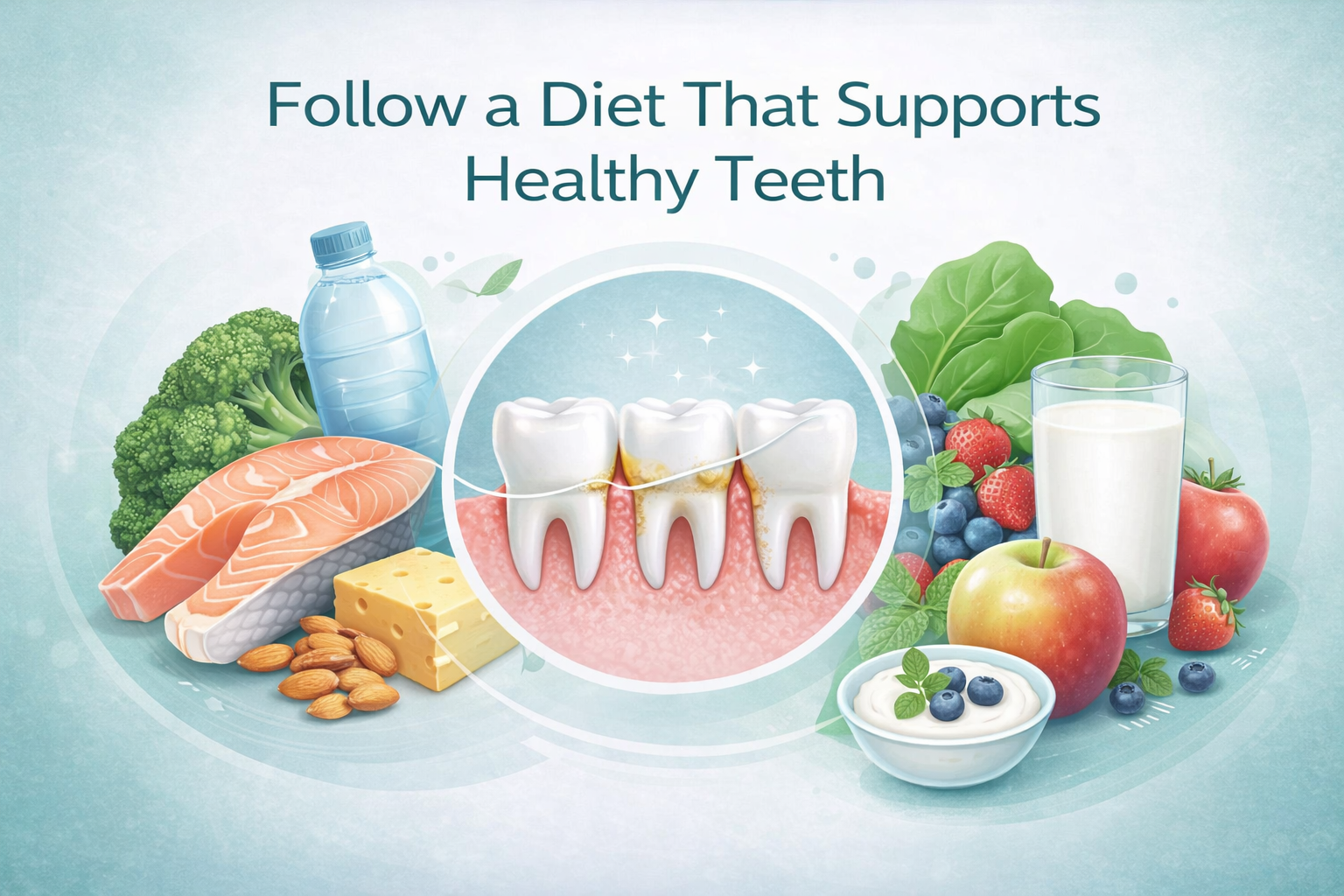
Your diet plays an important role in maintaining healthy teeth and gums. The foods you eat can either support strong tooth enamel or contribute to the development of cavities and other dental problems. Nutrient-rich foods help strengthen enamel and promote better oral health, while sugary and acidic foods can increase acid production in the mouth and raise the risk of tooth decay.
Best foods for healthy teeth:
· Dairy products rich in calcium
· Leafy green vegetables
· Crunchy fruits and vegetables
· Nuts and seeds
· Water
Limit:
· Sugary snacks
· Carbonated drinks
· Sticky sweets
· Acidic beverages
A balanced diet combined with good oral hygiene plays a vital role in preventing tooth decay. Consuming nutrient-rich foods that support strong tooth enamel, together with consistent brushing and flossing habits, helps reduce plaque build-up and protect against cavities. Maintaining both healthy eating habits and proper dental care significantly lowers the risk of developing common oral health problems.
6. Drink Plenty of Water Throughout the Day

Water plays an important role in maintaining good oral health. Drinking water helps wash away food particles and harmful bacteria that can contribute to plaque build-up and tooth decay. It also supports saliva production, which helps protect tooth enamel and neutralise acids in the mouth that may otherwise damage the teeth.
7. Avoid Tobacco Products

Smoking significantly increases the risk of serious oral health problems. Tobacco use is strongly associated with gum disease, tooth loss, and oral cancer, and it can also contribute to bad breath and tooth discolouration. Avoiding tobacco products greatly improves both oral health and overall wellbeing, helping to protect your teeth, gums, and long-term health.
8. Use Mouthwash for Added Protection
Using an antimicrobial or fluoride mouthwash can support good oral hygiene. Mouthwash helps reduce harmful bacteria in the mouth and can strengthen tooth enamel, particularly when it contains fluoride. However, it should be used as a complement to regular brushing and flossing, not as a replacement. Maintaining a complete oral hygiene routine is essential for protecting your teeth and gums from decay and gum disease.
9. Protect Your Teeth from Injury

If you participate in contact sports, wearing a custom mouthguard is essential for protecting your teeth. A properly fitted mouthguard helps reduce the risk of chipped, cracked, or broken teeth and can also protect the gums and jaw from injury. Using a custom mouthguard during sports activities is an effective way to safeguard your smile and maintain long-term oral health.
10. Watch for Early Signs of Dental Problems
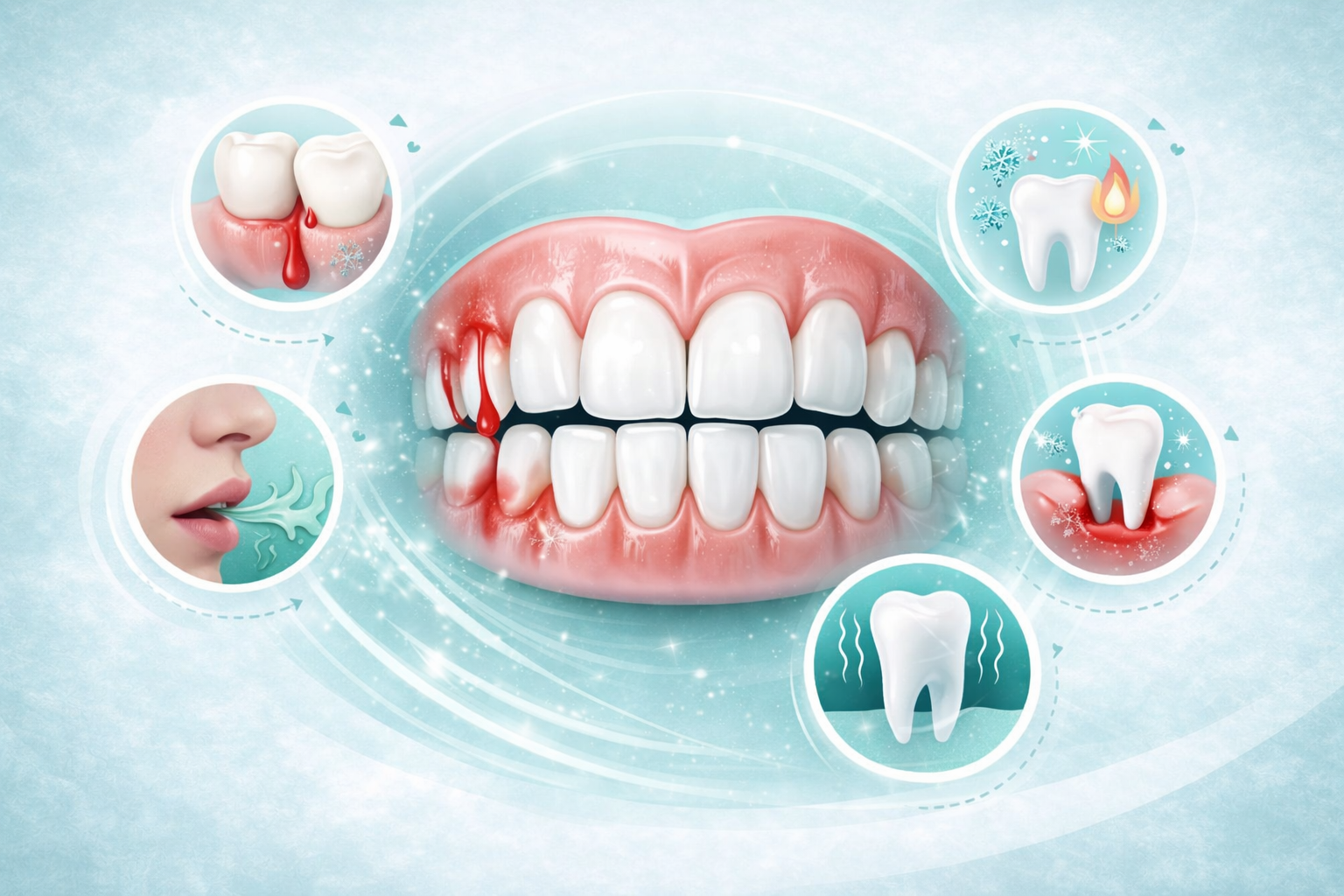
Early treatment is essential for preventing more complex and costly dental procedures. Recognising the early signs of dental problems and seeking professional advice promptly can help protect your teeth and gums from long-term damage.
Contact your dentist if you notice any of the following symptoms:
Bleeding gums, particularly during brushing or flossing
Tooth sensitivity to hot, cold, or sweet foods and drinks
Persistent bad breath, which may indicate underlying gum disease
Swollen or inflamed gums
Loose teeth or changes in your bite
Seeking prompt evaluation from a dental professional helps preserve healthy teeth and gums, allowing potential issues to be identified and treated before they progress into more serious oral health problems.
Maintain Healthy Teeth and Gums with Preventive Care
Maintaining healthy teeth and gums requires consistent care and good daily habits. Proper brushing techniques, daily flossing, regular dental check-ups, and a tooth-friendly diet all work together to protect your smile and support long-term oral health.
Preventive dentistry helps save time, money, and unnecessary discomfort. By practising simple oral hygiene habits each day, you can significantly reduce the risk of cavities, gum disease, and other dental problems in the future.
Book your dental check-up today.
Frequently Asked Questions (FAQs)
-
You should brush your teeth at least twice a day—once in the morning and once before going to bed—for a minimum of two minutes each time. Regular brushing helps remove plaque and harmful bacteria that can lead to cavities and gum disease. For optimal oral health, use a fluoride toothpaste and a soft-bristled toothbrush.
-
Yes, flossing is an essential part of maintaining good oral hygiene. Brushing alone cannot effectively clean the spaces between teeth or beneath the gumline, where plaque and food particles often accumulate. Daily flossing helps prevent:
Gum disease, including gingivitis and periodontitis
Cavities between teeth
Persistent bad breath
Dentists strongly recommend flossing at least once a day to maintain healthy teeth and gums.
-
Most patients are advised to schedule a dental check-up and professional cleaning every six months. Regular visits allow your dentist to monitor your oral health and identify potential issues early.
However, patients with certain conditions may require more frequent dental visits, including those with:
Gum disease
Diabetes
A history of frequent cavities
Smoking habits
Your dentist will recommend a schedule that best supports your individual oral health needs.
-
Early-stage gum disease, known as gingivitis, may present with the following symptoms:
Bleeding gums, particularly during brushing or flossing
Red or swollen gums
Persistent bad breath
Gum tenderness
If left untreated, gingivitis can progress to periodontitis, a more serious condition that may lead to tooth loss. Early diagnosis and treatment are highly effective in preventing further damage.
-
Yes, your diet plays a significant role in maintaining healthy teeth and gums. Foods high in sugar and acid increase the risk of cavities and enamel erosion. In contrast, foods rich in calcium, fibre, and essential vitamins help strengthen enamel and support healthy gums.
To protect your teeth:
Limit sugary drinks and snacks
Avoid frequent snacking throughout the day
Drink plenty of water
Choose tooth-friendly foods, such as dairy products and leafy green vegetables
-
Skipping routine dental visits can allow small dental issues to develop into more serious and costly problems. Without regular professional cleanings and examinations:
Plaque can harden into tartar
Cavities may go unnoticed
Gum disease can progress
Oral cancer screenings may be missed
Preventive dental care helps reduce the need for complex treatments such as root canal therapy, crowns, or tooth extractions.
-
Bleeding gums are often a sign of gum inflammation caused by plaque build-up and may indicate the early stages of gum disease. Rather than avoiding brushing, it is important to:
Improve your brushing technique
Floss daily to remove plaque between teeth
Schedule a dental visit if the bleeding continues
Early intervention can prevent more serious gum problems in the future.
-
Mouthwash should not replace brushing and flossing, but it can be a useful addition to your oral hygiene routine. Therapeutic mouthwashes may help:
Reduce harmful bacteria
Strengthen enamel when containing fluoride
Improve bad breath
Support the management of gingivitis
Your dentist can recommend the most appropriate mouthwash based on your individual oral health needs.
Book a Routine Dental Check Up Today
Protecting your smile starts with professional preventive dental care. Regular dental check-ups play an essential role in maintaining healthy teeth and gums, allowing dentists to detect early signs of cavities, gum disease, and other oral health concerns before they become more serious.
Book your routine dental check-up today and take the first step towards maintaining strong teeth and healthy gums for years to come.