
7 Foods That Are Damaging Your Teeth
Did you know that some of your favourite foods could be quietly damaging your teeth? What you eat plays a significant role in your dental health. Certain foods can weaken enamel, contribute to cavities, and increase the risk of tooth decay, while others help keep your teeth strong and healthy.
Making smart dietary choices is one of the most effective ways to protect your smile and maintain long-term oral health. In this guide, we explore seven foods that can be harmful to your teeth, explain how sugar and acidic foods affect enamel, suggest healthier alternatives, and share practical dental care tips to help keep your teeth strong and your smile bright.
1. Sweets
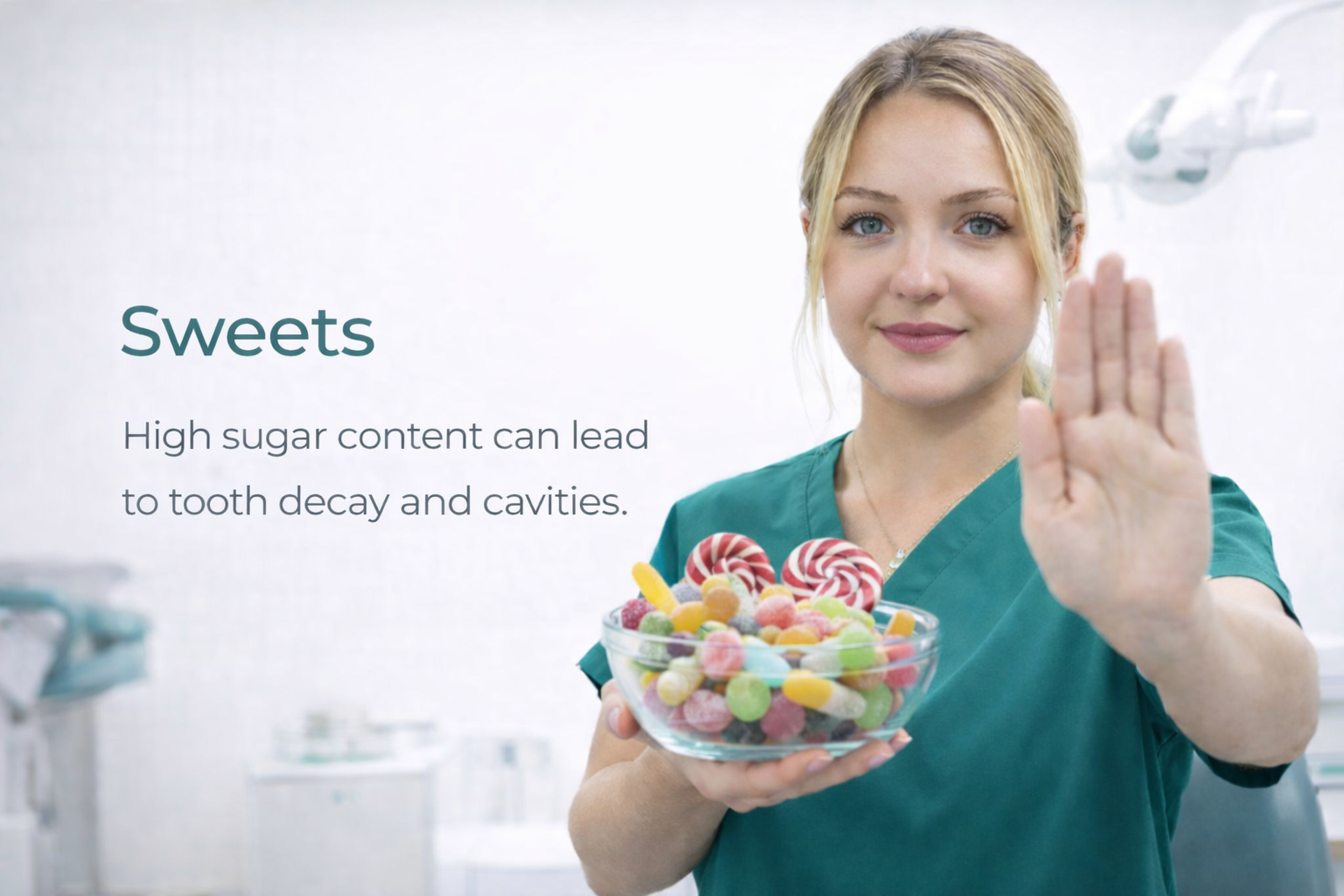
Sugary treats, particularly sticky sweets, are a major contributor to tooth decay. Sugar feeds harmful bacteria in the mouth, which produce acids that attack tooth enamel and lead to cavities over time. Sweets such as lollipops, gummies, and caramel are especially harmful because they tend to stick to the teeth and remain there for longer periods, giving bacteria more time to produce damaging acids.
2. Soda and Carbonated Drinks

Fizzy drinks, including sodas, can be particularly damaging to your teeth. These beverages often contain high levels of sugar and acids that gradually erode tooth enamel. As enamel weakens, teeth become more vulnerable to cavities, sensitivity, and decay. Even sugar-free sodas can be highly acidic, meaning they may still wear down enamel over time and negatively affect your overall dental health.
3. Citrus Fruits and Juices
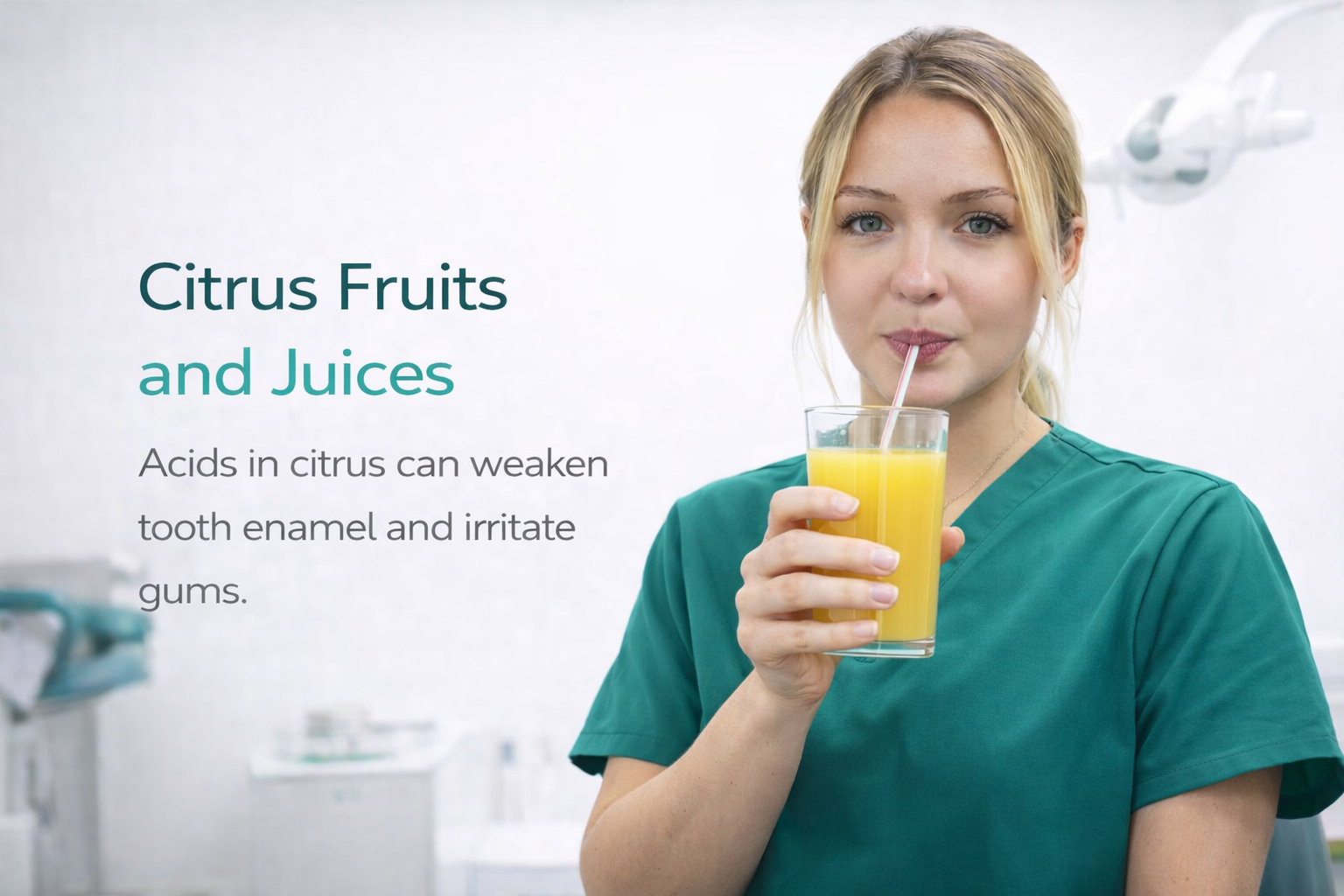
Although fruits are an important part of a healthy diet, frequent consumption of citrus fruits can affect dental health. Fruits such as oranges, lemons, and grapefruits contain high levels of acid, which may gradually erode tooth enamel when consumed in excess. As enamel weakens, teeth can become more sensitive and vulnerable to decay. Drinking citrus juices through a straw and rinsing your mouth with water afterwards can help reduce the risk of enamel damage.
4. Coffee and Tea
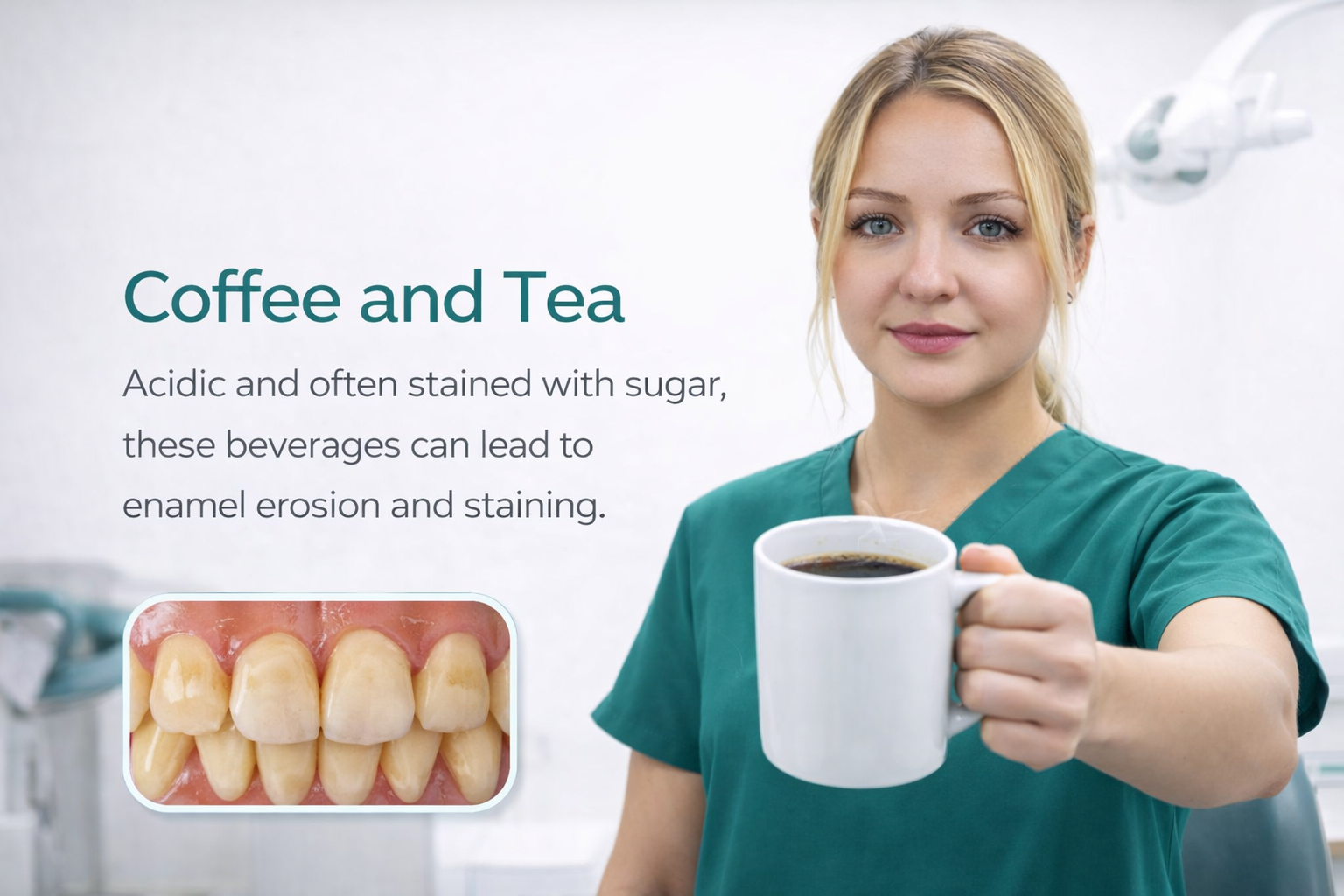
Dark-coloured beverages such as coffee and tea can gradually stain teeth over time. Frequent consumption may lead to noticeable discolouration, particularly when these drinks are consumed regularly throughout the day. Adding sugar further increases the risk of tooth decay, as sugar feeds bacteria that produce acids harmful to enamel. In addition, the natural acidity of coffee may contribute to enamel wear. Limiting intake and maintaining good oral hygiene, including regular brushing and professional dental cleanings, can help reduce staining and protect your teeth.
5. Processed and Starchy Foods

Refined carbohydrates, such as white bread, crackers, and crisps, can also negatively affect dental health. When consumed, these foods break down into sugars in the mouth, providing fuel for bacteria that produce acids capable of damaging tooth enamel. Additionally, sticky or soft processed foods may adhere to the teeth, allowing these harmful acids to remain in contact with enamel for longer. Without proper oral hygiene, this can increase the risk of cavities and other dental issues.
6. Ice and Hard Snacks
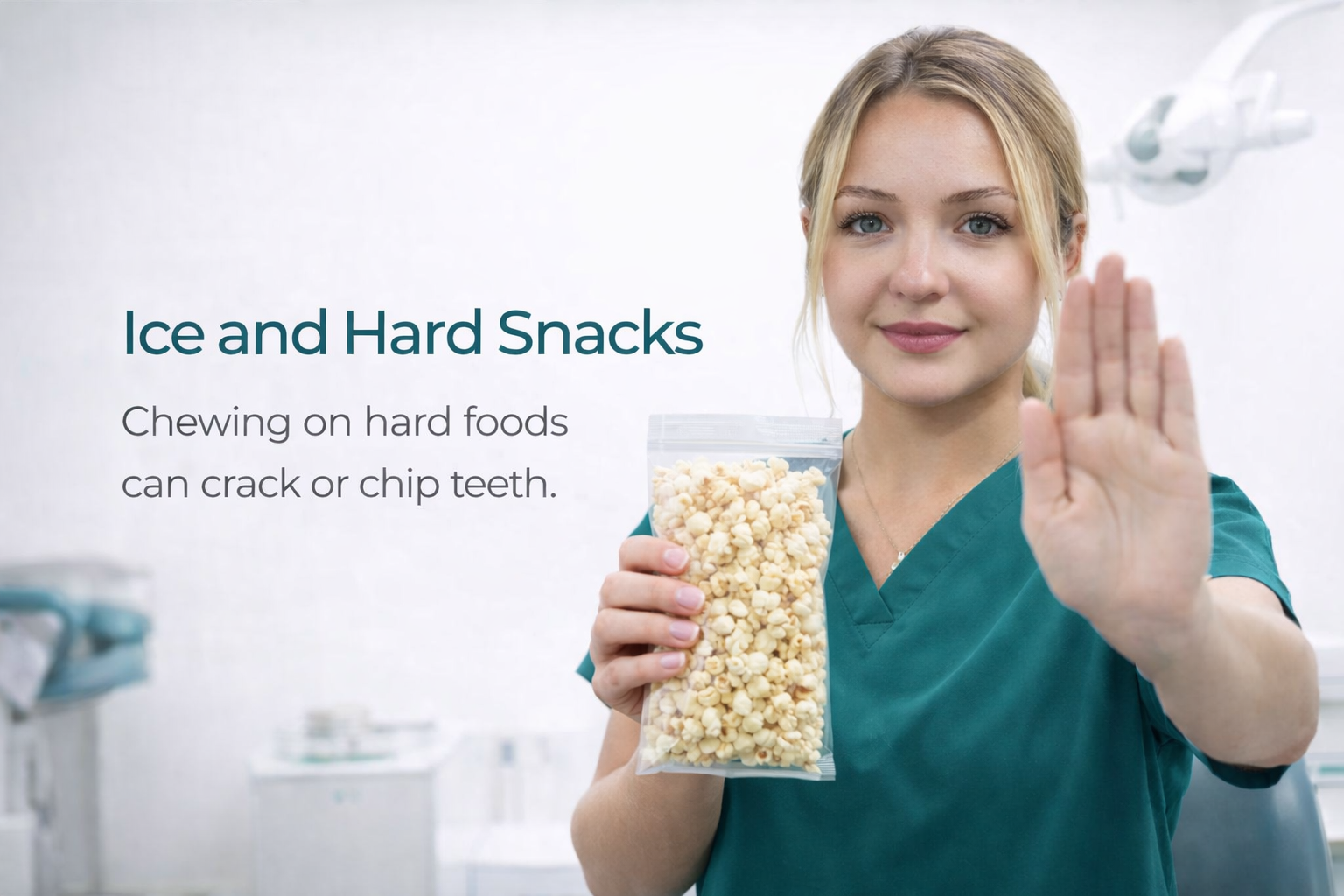
Hard foods such as chewing ice, hard sweets, or unpopped popcorn kernels can damage your teeth. Biting down on these items places significant pressure on the teeth, which may lead to chips, cracks, or fractures. Although these foods do not typically cause cavities directly, physical damage to the teeth can weaken enamel and make them more vulnerable to sensitivity, decay, and other dental problems.
7. Alcohol and Sugary Drinks
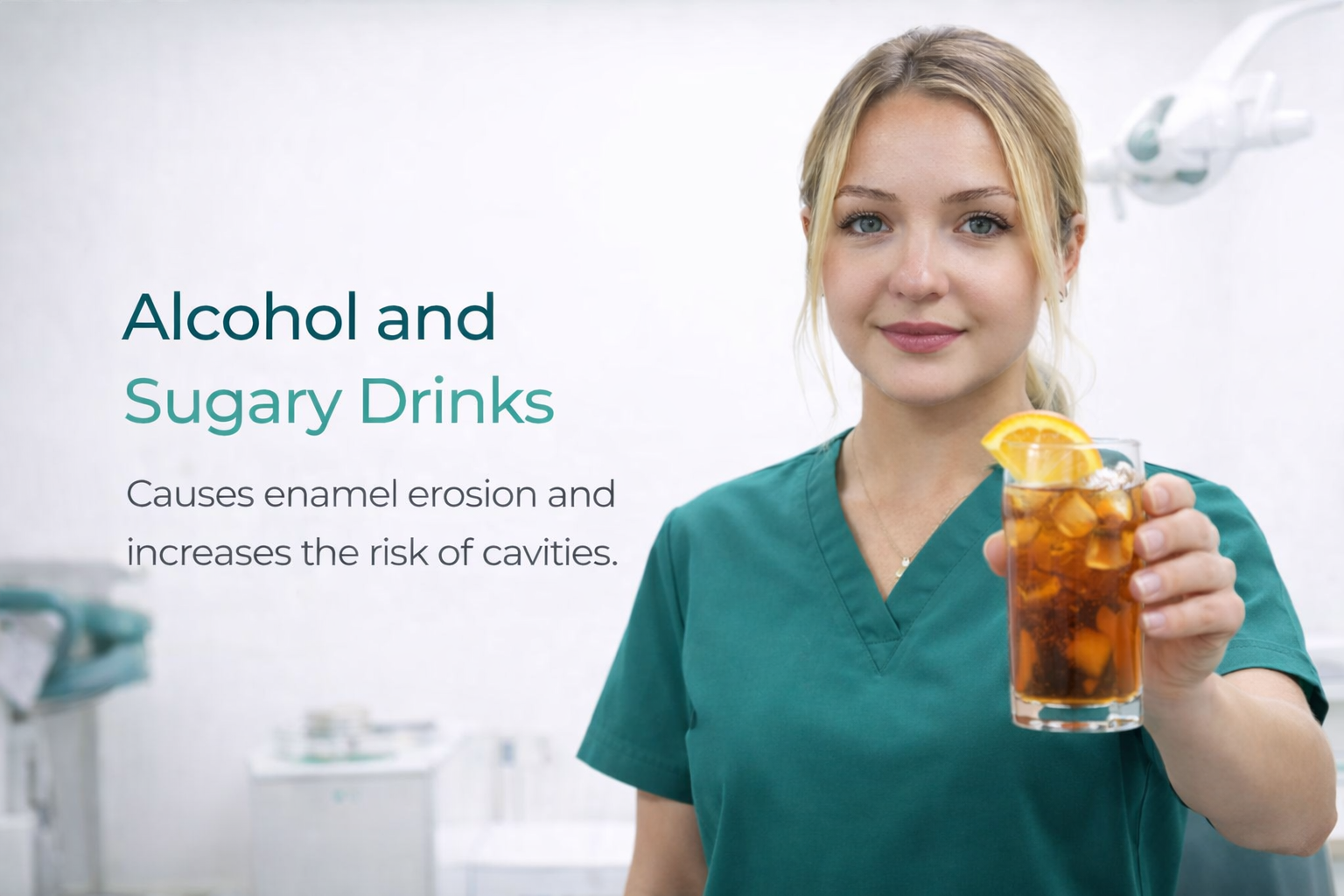
Alcoholic beverages can also have a negative impact on oral health, particularly when they are mixed with sugary ingredients. Alcohol tends to dry out the mouth by reducing saliva production. Saliva plays a vital role in protecting teeth, as it helps neutralise harmful acids and wash away food particles and bacteria. When saliva levels are reduced, the mouth becomes more susceptible to cavities, tooth decay, and gum problems.
How Sugar and Acid Affect Your Teeth
Sugar and acids are among the primary causes of cavities and enamel erosion. Bacteria in the mouth feed on sugar and produce acids that gradually attack and weaken tooth enamel. Over time, repeated exposure to these acids can lead to tooth decay, increased sensitivity, and noticeable discolouration.
Reducing sugar intake, limiting the consumption of acidic foods and drinks, and maintaining proper oral hygiene are essential steps in protecting your teeth. These simple habits can significantly lower the risk of dental problems and help preserve strong, healthy enamel.
Healthy Alternatives for Strong Teeth
Choosing tooth-friendly foods can significantly support long-term oral health. Replacing harmful foods with nutritious alternatives helps strengthen enamel, reduce the risk of cavities, and maintain a healthy smile. Consider incorporating the following options into your diet:
Crunchy fruits and vegetables, such as apples and carrots, which help stimulate saliva production and naturally clean the teeth
Dairy products, including milk, cheese, and yoghurt, which provide calcium and support strong tooth enamel
Nuts and seeds, which are rich in essential minerals that contribute to enamel strength
Water, which helps rinse away food particles and bacteria, making it a healthier alternative to sugary or acidic drinks
Combining a balanced diet with proper brushing and flossing habits plays an essential role in maintaining strong teeth and preventing cavities. Consistent oral hygiene, together with healthy dietary choices, helps protect your smile and supports overall dental health.
Dental Hygiene Tips to Protect Your Smile
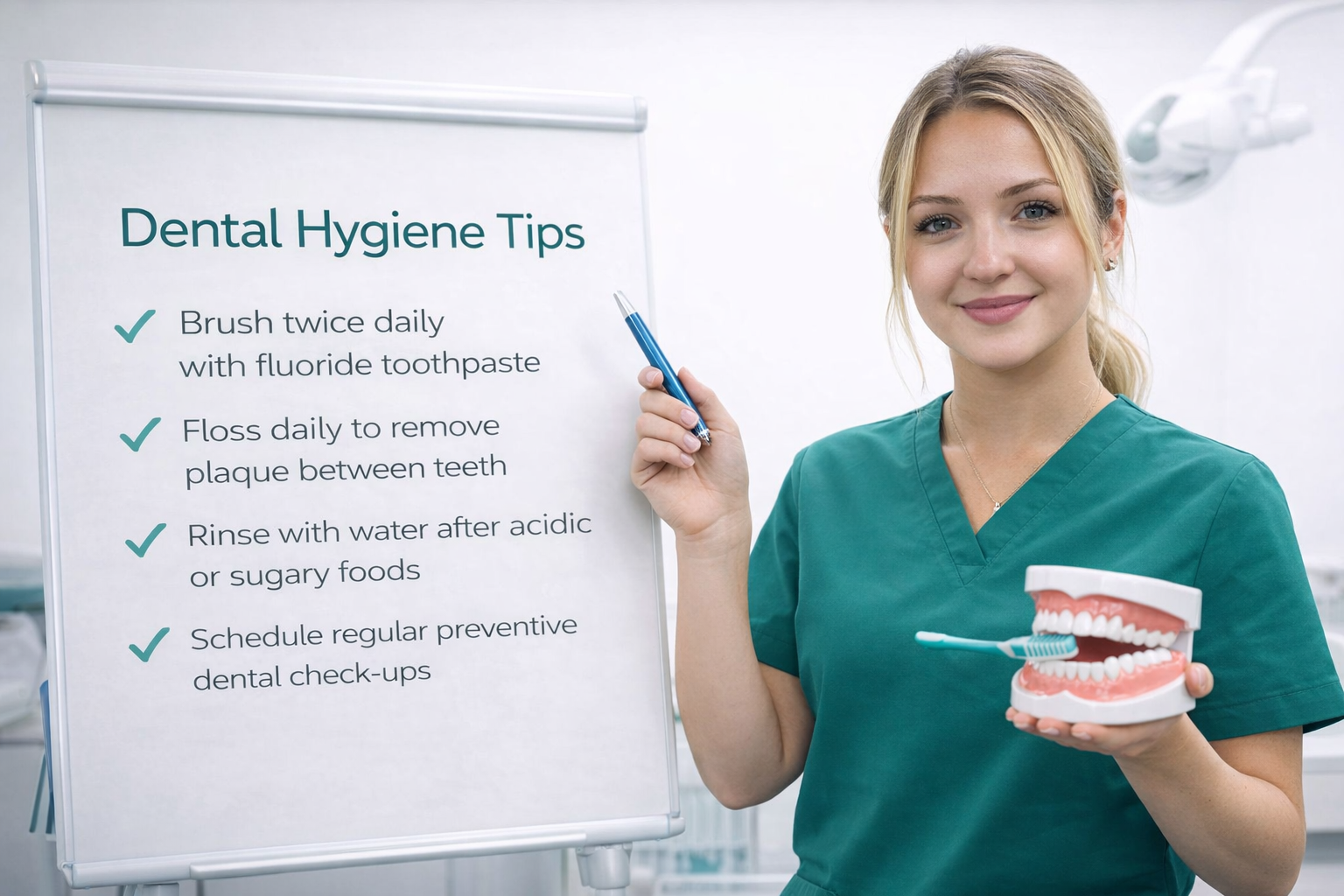
Even with a healthy diet, maintaining proper oral hygiene remains essential for protecting your teeth and gums. Consistent daily care helps remove plaque, prevent cavities, and support long-term dental health. The following habits are key to maintaining a healthy smile:
Brush your teeth twice daily with fluoride toothpaste to effectively remove plaque and strengthen tooth enamel
Floss every day to clean between the teeth and along the gumline where a toothbrush cannot reach
Rinse your mouth with water after consuming acidic or sugary foods to help wash away harmful residues
Schedule regular preventive dental check-ups to detect potential issues early and maintain optimal oral health
By combining good oral hygiene practices with regular dental visits, you can significantly reduce the risk of tooth decay, gum disease, and other oral health problems.
Protect Your Teeth Before Damage Occurs
Many commonly consumed foods can have a negative impact on dental health. However, making informed dietary choices and maintaining proper oral care can help protect tooth enamel and reduce the risk of cavities. By understanding which foods may damage your teeth, you can take proactive steps to safeguard your oral health and maintain a strong, healthy smile for life
Frequently Asked Questions (FAQs)
-
Foods that are high in sugar, sticky, acidic, or very hard can be particularly damaging to tooth enamel. Examples include sweets, sugary drinks such as fizzy sodas, citrus fruits, and hard items like ice or certain confectionery. These foods can weaken enamel and increase the risk of cavities when consumed frequently.
-
Occasional treats are generally acceptable when consumed in moderation. However, it is important to maintain good oral hygiene, such as brushing and flossing regularly, to minimise the risk of plaque build-up and tooth decay.
-
It is recommended to wait at least 30 minutes before brushing after consuming acidic foods or beverages. Brushing immediately can weaken softened enamel and may contribute to enamel wear.
-
Sugar-free foods can help reduce the risk of cavities because they do not feed bacteria in the same way as sugar. However, it is still important to check for hidden acids or sticky ingredients, which may still affect dental health.
-
A healthy diet supports strong teeth, but diet alone cannot prevent cavities. Effective oral care requires a combination of regular brushing, daily flossing, and routine dental check-ups.
-
Most patients are advised to visit their dentist every six months for a professional cleaning and examination. Regular dental visits help detect potential problems early and maintain long-term oral health.
Schedule a Preventive Dental Check-Up
Protect your smile and detect early signs of dental problems with a preventive dental check-up. Regular dental visits play an important role in maintaining strong teeth and healthy gums. Our experienced dental team provides comprehensive care, including professional examinations, hygienist cleanings, and preventive dental treatments designed to support long-term oral health.