
Why Regular Dental Check
Regular dental check-ups play a vital role in maintaining both your oral health and overall wellbeing. While many patients only visit the dentist when they experience pain or discomfort, preventive dentistry focuses on identifying and treating dental problems before they become serious, complex, or costly to manage.
Routine dental visits allow your dentist to monitor the health of your teeth, gums, and surrounding tissues, helping to detect early signs of issues such as tooth decay, gum disease, and other oral health conditions. Early diagnosis often means simpler treatments, improved outcomes, and better long-term dental health.
If you are wondering why regular dental check-ups are so important, this guide explains what typically happens during a dental appointment, how routine examinations support early detection of dental problems, and how preventive care helps protect against gum disease, tooth decay, and other common oral health concerns.
What Happens During a Regular Dental Check-Up?
A regular dental check-up involves far more than simply cleaning your teeth. It is a comprehensive assessment of your oral health, designed to identify potential problems early and help maintain healthy teeth and gums.
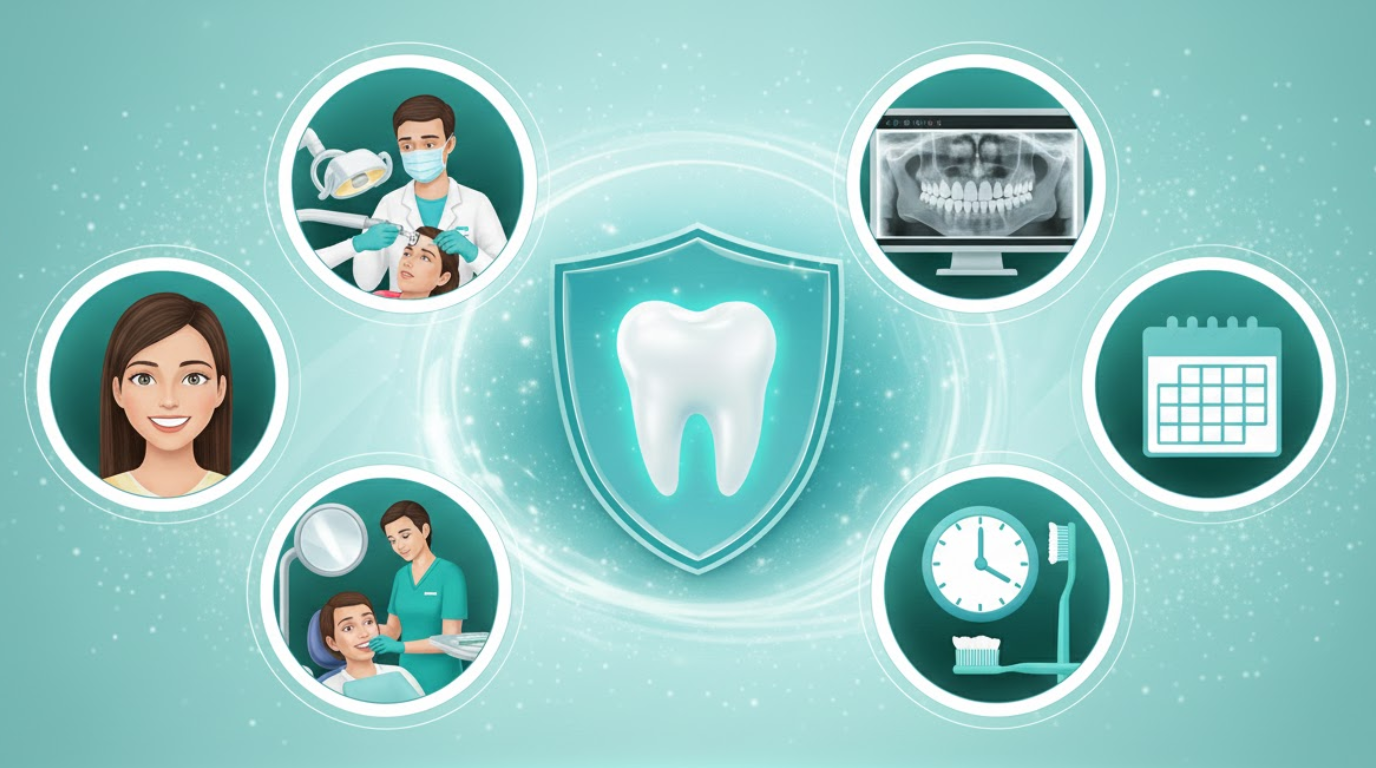
During your routine dental visit, your appointment typically includes several important steps that support preventive dental care.
1. Professional Teeth Cleaning
A dental hygienist will perform a professional cleaning to remove plaque and tartar build-up that cannot be eliminated through brushing and flossing alone. This process helps reduce the risk of tooth decay, gum disease, and bad breath, while keeping your teeth and gums healthy.
2. Comprehensive Dental Examination
Your dentist will carefully examine your teeth, gums, and oral tissues to check for signs of cavities, infection, gum inflammation, enamel wear, and other dental concerns. Regular examinations allow dentists to detect early warning signs of dental problems before they progress.
3. Digital Dental X-Rays (When Necessary)
In some cases, your dentist may recommend digital dental X-rays to identify issues that are not visible during a standard examination. X-rays can help detect cavities between teeth, bone loss, impacted teeth, or infections beneath the gum line.
4. Oral Cancer Screening
Many dental check-ups also include an oral cancer screening, where the dentist examines the mouth, tongue, throat, and surrounding tissues for any unusual changes or abnormalities. Early detection of oral cancer greatly improves treatment outcomes.
Regular dental check-ups ensure that minor dental issues are identified and treated early, helping to prevent them from developing into more serious and costly conditions.
Early Detection of Dental Problems Saves Time and Money
One of the greatest benefits of regular dental check-ups is the ability to detect dental problems at an early stage. Many oral health issues develop gradually and may not cause noticeable symptoms in the beginning. Conditions such as tooth decay, gum disease, and dental infections can progress silently, meaning patients may not realise there is a problem until discomfort or visible damage occurs.
By attending routine dental appointments, your dentist can identify and treat potential issues before they become more serious and require complex procedures.
During regular dental check-ups, dentists can detect:
Small cavities before they develop into deeper decay that may require root canal treatment
Early-stage gum disease (gingivitis) before it progresses to more severe periodontal disease and bone loss
Cracked, loose, or damaged fillings and restorations
Signs of teeth grinding (bruxism) that can wear down tooth enamel
Jaw alignment or bite issues that may lead to discomfort or uneven tooth wear
Early intervention allows dentists to provide simpler, less invasive treatments, which are often more affordable and more effective in protecting your long-term oral health.
Preventing Gum Disease Through Routine Dental Visits
Gum disease is one of the leading causes of tooth loss among adults, yet it often develops gradually and may go unnoticed in its early stages. The condition typically begins as gingivitis, which can cause mild symptoms such as bleeding gums, redness, or swelling. If left untreated, gingivitis can progress to periodontitis, a more severe form of gum disease that may lead to bone loss, gum recession, and loose teeth.
Regular dental check-ups and professional cleanings play a crucial role in preventing and managing gum disease. During routine visits, your dentist and dental hygienist can help maintain healthy gums and detect early warning signs of periodontal problems.
Preventive dental visits help to:
Remove hardened tartar that cannot be eliminated through brushing and flossing alone
Reduce gum inflammation and bacterial build-up
Measure and monitor gum pocket depth, which helps detect early gum disease
Prevent the progression of gingivitis into more advanced periodontal disease
Preventive dentistry not only protects your teeth and gums, but it also supports your overall health. Research has shown that untreated gum disease may be associated with systemic conditions such as heart disease, diabetes, and other inflammatory health issues. Regular dental visits therefore play an important role in maintaining both oral health and general wellbeing.
How Often Should You Visit the Dentist?
For most patients, dentists recommend attending a routine dental check-up every six months. Regular visits allow your dentist to monitor your oral health, perform professional cleanings, and identify potential problems before they develop into more serious conditions.
However, some individuals may benefit from more frequent dental visits, particularly if they have a higher risk of developing dental or gum problems. Your dentist may recommend shorter intervals between appointments if you:
Have a history of gum disease (periodontal disease)
Smoke or use tobacco products
Have diabetes or other medical conditions that affect oral health
Are prone to cavities or frequent tooth decay
Wear braces, retainers, or other dental appliances
Every patient’s oral health needs are different. During your appointment, your dentist will recommend a personalised dental check-up schedule based on your dental history, current oral health, and risk factors. Regular visits ensure that your teeth, gums, and overall oral health are properly maintained.
The Long-Term Benefits of Regular Dental Check-Ups
Regular dental check-ups provide far more than just a cleaner smile. Routine dental visits play a crucial role in maintaining long-term oral health and preventing serious dental problems. By attending preventive appointments consistently, patients can protect their teeth, reduce future treatment needs, and maintain overall wellbeing.
The long-term benefits of regular dental check-ups include:
Maintaining healthy teeth and gums through professional cleanings and routine examinations
Reducing the risk of dental emergencies, such as severe toothaches, infections, or broken teeth
Preserving natural teeth for longer, helping to avoid complex restorative procedures
Improving confidence and oral comfort, with a healthier and more attractive smile
Lowering long-term dental costs by detecting and treating problems early
Preventive dentistry is not only about treating existing issues—it is about protecting your oral health for the future. Regular dental check-ups are a valuable investment in maintaining strong teeth, healthy gums, and health throughout your life
Take Control of Your Oral Health Today
Delaying dental visits can allow minor oral health issues to develop into more serious conditions that require complex and costly treatment. Regular dental check-ups provide a simple and effective way to protect your teeth, maintain healthy gums, and support your overall wellbeing.
By attending routine dental appointments, your dentist can detect early signs of tooth decay, gum disease, and other oral health concerns, allowing problems to be treated before they progress. Preventive care not only helps maintain a healthy smile but also reduces the likelihood of needing more invasive dental procedures in the future.
If it has been more than six months since your last dental appointment, now is the ideal time to prioritise preventive dental care and schedule your next routine dental check-up
Frequently Asked Questions (FAQs)
-
A routine dental check-up and professional cleaning typically takes between 45 minutes and one hour, depending on whether additional procedures such as digital X-rays or preventive treatments are required.
-
No. Routine dental examinations and cleanings are generally comfortable and painless. Some
-
It is not recommended. Many dental problems, including cavities and gum disease, can develop without noticeable symptoms in the early stages. Regular dental check-ups allow your dentist to detect and treat issues before they cause pain or more serious complications.
-
Children should generally visit the dentist every six months for routine examinations and preventive care. Dentists recommend scheduling a child’s first dental visit when the first tooth appears or by the age of one, to help establish healthy oral habits early.
-
Delaying routine dental check-ups can allow plaque to harden into tartar, increasing the risk of tooth decay, gum disease, and other oral health problems. Without early treatment, these issues may progress and require more complex and costly dental procedures.
-
Yes. During routine dental examinations, dentists often perform an oral cancer screening. This involves checking the tongue, cheeks, throat, gums, and surrounding tissues for early signs of abnormal changes. Early detection significantly improves treatment outcomes.
Schedule Your Dental Check-Up Today
Protect your teeth, gums, and overall health with professional preventive dental care. Regular dental check-ups allow your dentist to detect potential problems early, helping you maintain strong teeth, healthy gums, and long-term oral health.
Our experienced dental team provides comprehensive dental examinations, professional hygienist cleanings, and preventive dentistry services designed to keep your smile healthy and prevent future dental issues