
Signs of Gum Disease You Should Never Ignore
Gum disease often develops silently, showing few noticeable symptoms in its early stages. Many people are unaware they have gum disease until it progresses and begins to cause more serious dental problems. Left untreated, gum disease can lead to tooth loss, infections, and complications that may affect your overall health.
The good news is that early detection and treatment can prevent serious damage to your teeth and gums. Recognising the warning signs and seeking professional dental care promptly can help protect your smile and maintain long-term oral health.
In this guide, we explain the early signs of gum disease, common causes, available treatment options, and why early diagnosis is essential for maintaining healthy gums and preventing more advanced periodontal disease.
Early Symptoms of Gum Disease
Gum disease often develops gradually, with subtle symptoms that are easy to overlook. Many patients do not realise they have gum disease until the condition has progressed and begun to affect their teeth and gums more seriously. Recognising the early signs of gum disease is essential for preventing long-term damage and protecting your oral health.
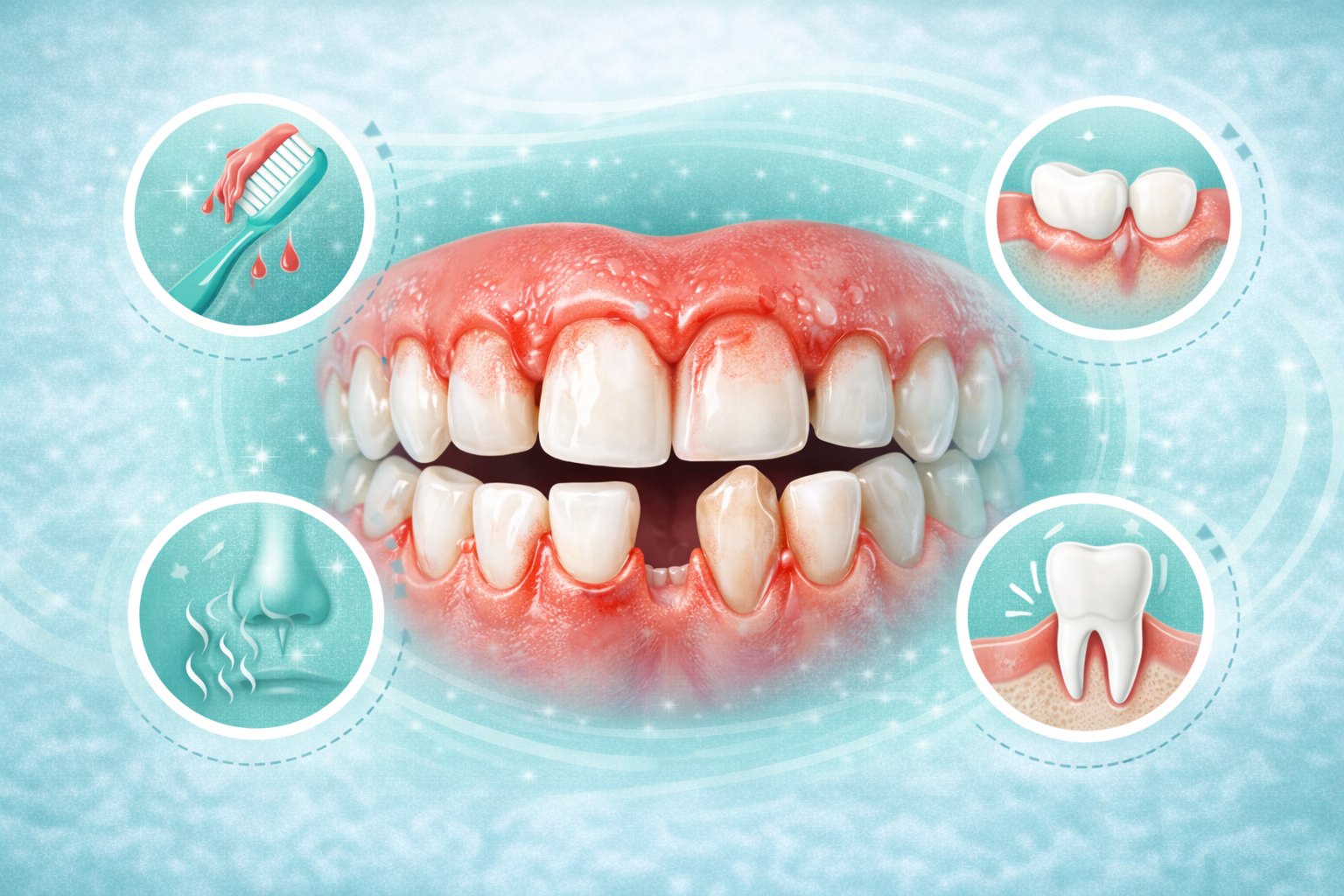
Gum disease, also known as periodontal disease, may begin with the following warning signs:
Bleeding gums when brushing or flossing
Red, swollen, or tender gums
Persistent bad breath or an unpleasant taste in the mouth
Receding gums, which may expose more of the tooth surface
Loose or shifting teeth, particularly in more advanced stages
Identifying these symptoms early and seeking professional dental care can help prevent the progression of gum disease and potential tooth loss. Early diagnosis allows your dentist to provide effective treatment and restore healthy gums before the condition becomes more severe.
Common Causes of Gum Disease
Gum disease develops when plaque, a sticky film of bacteria, accumulates on the teeth and along the gumline. If plaque is not removed through regular brushing and flossing, it can harden into tartar (calculus). Tartar cannot be removed with normal brushing and requires professional dental cleaning by a dentist or hygienist.
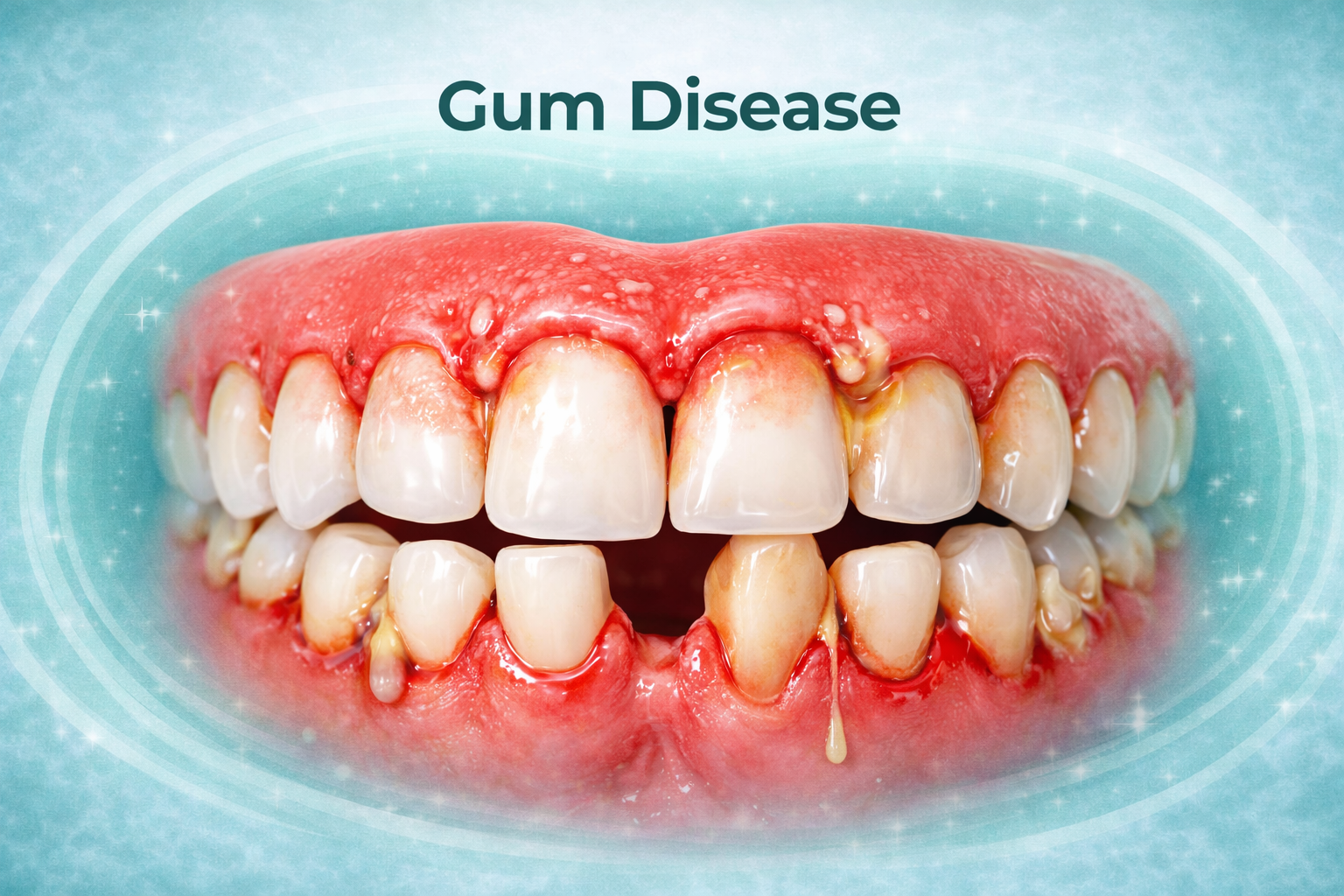
As bacteria continue to build up, they can irritate the gums and lead to gingivitis, the early stage of gum disease. Without timely treatment, this condition may progress into periodontitis, a more serious form of periodontal disease that can damage the gums and supporting bone.
Several factors can increase the risk of developing gum disease, including:
Poor oral hygiene habits, such as irregular brushing or flossing
Smoking or tobacco use, which can weaken the body’s ability to fight infection
Hormonal changes, particularly during pregnancy or menopause
Diabetes and certain medical conditions that affect the immune system
Medications that reduce saliva flow, leading to a dry mouth
Genetics and family history, which may increase susceptibility to gum disease
Understanding these risk factors can help patients take preventive steps to protect their gums and maintain good oral health. Regular dental check-ups, professional cleanings, and proper oral hygiene are essential for reducing the risk of developing gum disease.
What Happens If Gum Disease Is Left Untreated?
Without early treatment, gingivitis can progress to periodontitis, a more advanced and serious stage of gum disease. At this stage, the infection spreads deeper into the gums and supporting bone structures, potentially causing long-term damage to the teeth and surrounding tissues.
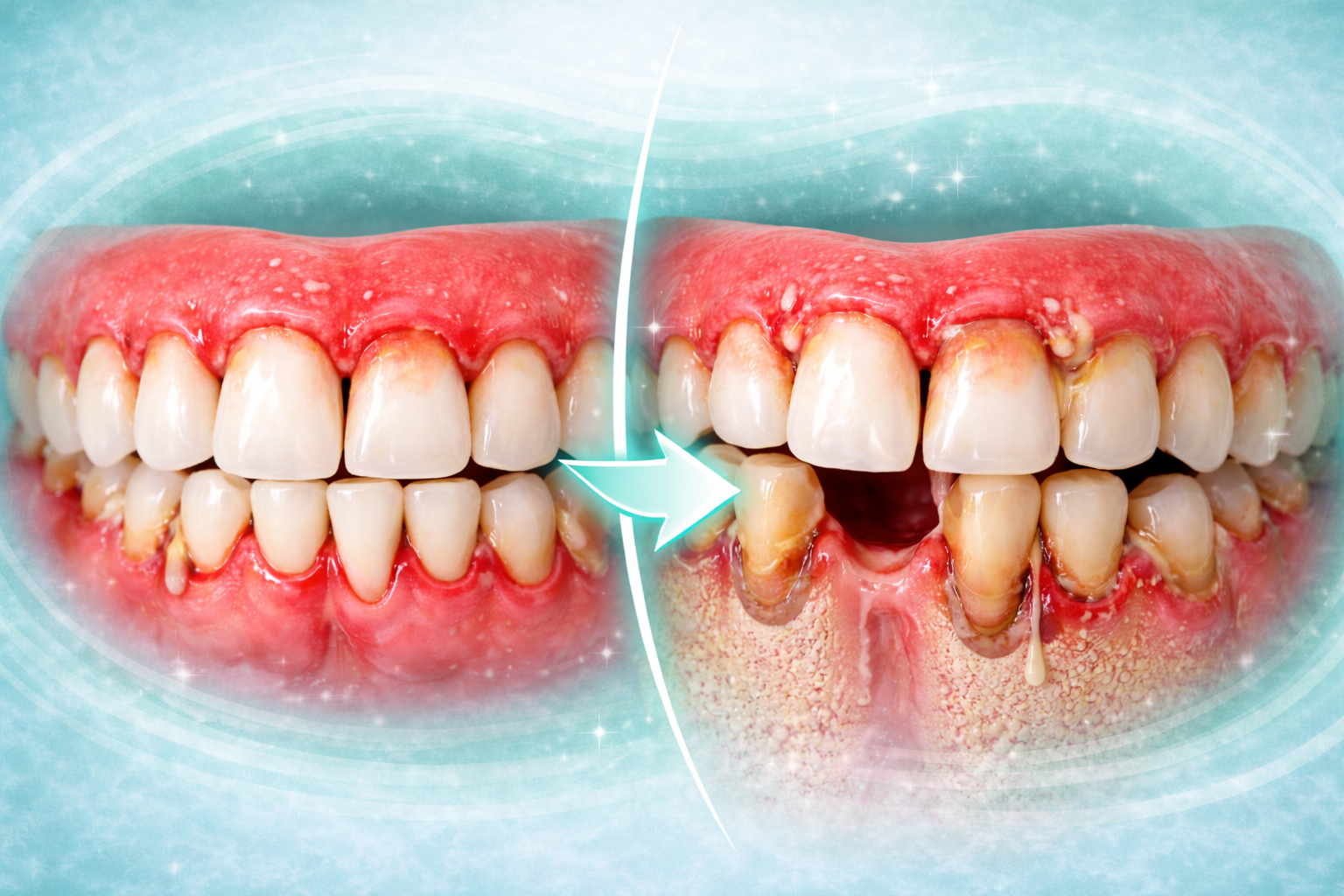
Advanced gum disease may lead to several serious oral health complications, including:
Deep gum pockets, where bacteria accumulate around the teeth
Loss of supporting jawbone, which weakens the stability of the teeth
Loose or shifting teeth
Tooth loss in severe cases
Painful gum abscesses or infections
Research has also shown that periodontal disease may be linked to certain systemic health conditions, including heart disease, diabetes, and other inflammatory health concerns.
For this reason, early detection and prompt treatment of gum disease are essential. Identifying symptoms at an early stage allows dentists to provide effective treatment, helping to restore gum health and prevent more serious complications.
Treatment Options for Gum Disease
The treatment for gum disease (periodontal disease) depends on the stage and severity of the condition. When detected early, gingivitis, the initial stage of gum disease, can often be reversed with professional care and improved oral hygiene. However, more advanced cases such as periodontitis may require specialised periodontal treatment to prevent further damage to the teeth and gums.
Non-Surgical Treatments for Gum Disease
In the early stages, gum disease can often be treated with non-surgical dental procedures designed to remove plaque and bacteria while restoring gum health.
Common non-surgical treatments include:
Professional dental cleanings to remove plaque and hardened tartar from the teeth and gumline
Scaling and root planing, a deep cleaning procedure that removes bacteria and tartar from below the gumline and smooths the tooth roots to promote healing
Improved oral hygiene practices at home, including regular brushing, flossing, and the use of antimicrobial mouthwash
Surgical Treatments for Advanced Gum Disease
In more severe cases of periodontal disease, surgical treatment may be necessary to repair damage and restore healthy gum and bone structures.
Advanced treatment options may include:
Flap surgery (pocket reduction surgery) to reduce deep gum pockets and remove bacteria from beneath the gums
Bone and tissue grafts to rebuild bone or gum tissue lost due to advanced gum disease
Guided tissue regeneration, a specialised procedure that encourages the growth of healthy bone and gum tissue
Early diagnosis and treatment of gum disease often lead to less invasive procedures, faster recovery, and better long-term oral health outcomes. Regular dental check-ups play an essential role in detecting gum disease before it progresses to more serious stages.
The Importance of Early Detection of Gum Disease
Early detection of gum disease is essential for protecting your teeth, gums, and overall health. Identifying the condition in its early stages allows for prompt treatment, helping to prevent the progression of periodontal disease and reduce the risk of serious dental complications.
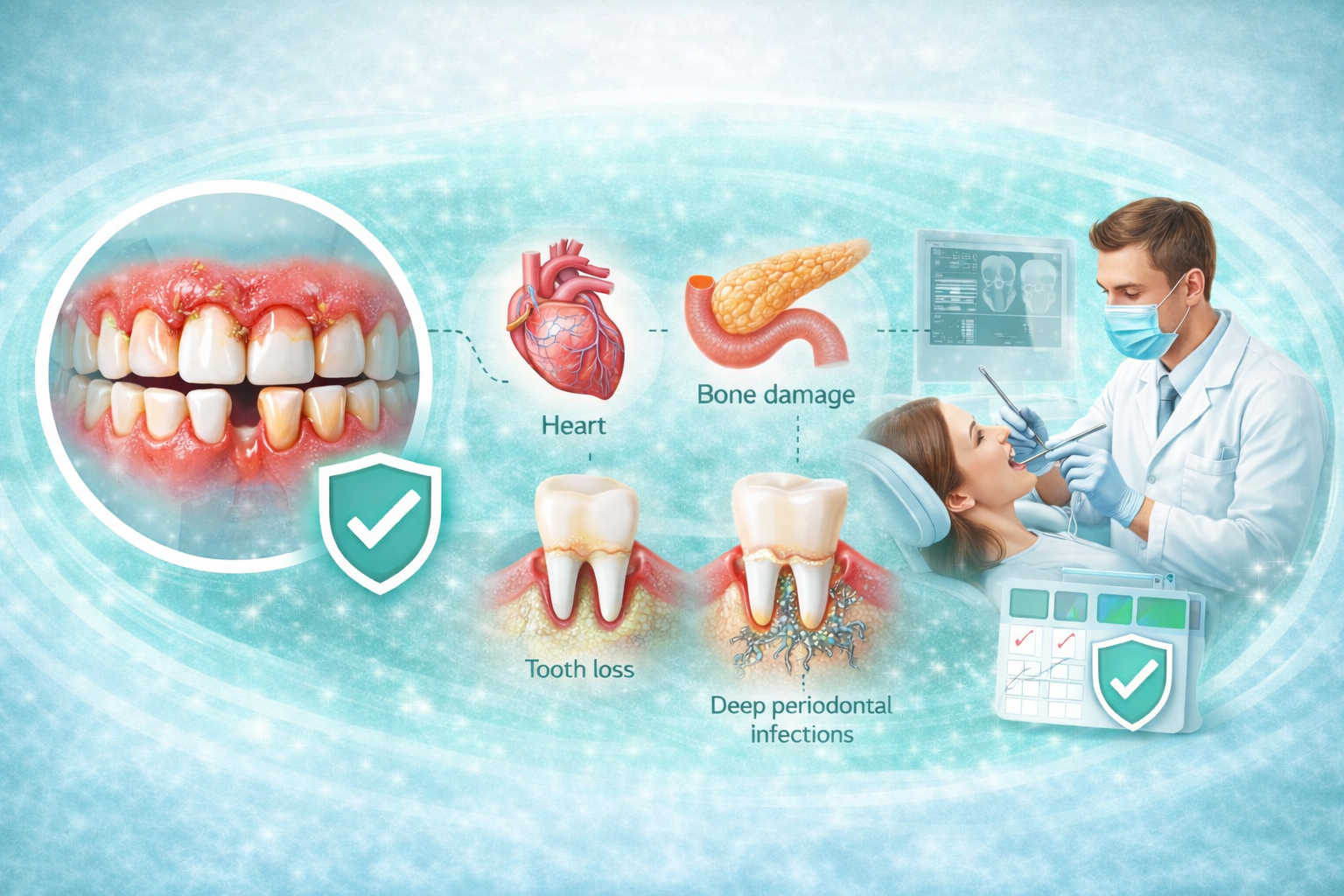
When gum disease is detected early, patients are less likely to experience issues such as tooth loss, bone damage, and deep periodontal infections. Research has also shown that untreated gum disease may be associated with certain systemic health conditions, including heart disease and diabetes.
Regular dental check-ups and professional cleanings play a crucial role in detecting the early warning signs of gum disease. During these visits, your dentist can assess the health of your gums, identify any signs of inflammation or infection, and develop a personalised treatment plan tailored to your needs.
Patients who seek treatment at the first signs of gum disease often benefit from simpler procedures, faster recovery, and improved long-term oral health outcomes. Maintaining regular dental visits and practising good oral hygiene are key steps in preventing and managing gum disease effectively.
Protect Your Gums Before It's Too Late
Gum disease can develop quietly and gradually, often without noticeable symptoms in its early stages. If left untreated, it can cause significant damage to your teeth, gums, and overall oral health. Understanding the warning signs, recognising the risk factors, and seeking professional dental care can help prevent serious complications.
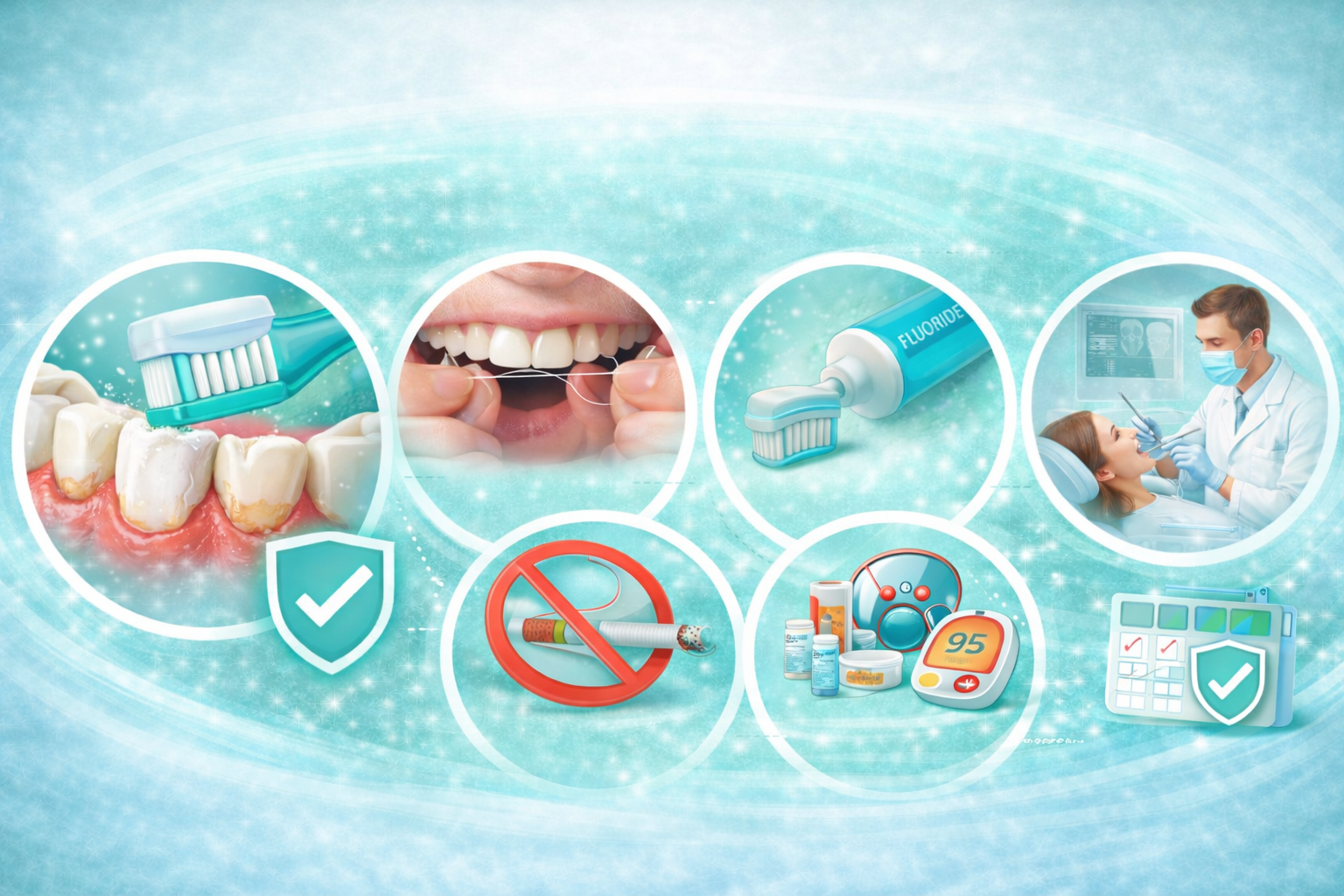
Fortunately, there are several effective steps you can take to reduce your risk of gum disease and maintain healthy gums:
Brush your teeth twice daily using proper brushing techniques
Floss every day to remove plaque and food particles between the teeth
Use fluoride toothpaste to help strengthen enamel and protect against decay
Avoid smoking or tobacco use, which increases the risk of gum disease
Schedule regular dental check-ups and professional cleanings every six months
Manage underlying health conditions, such as diabetes, that may affect gum health
Preventive dental care plays a vital role in maintaining healthy teeth and gums. In many cases, prevention is simpler, less invasive, and more cost-effective than treating advanced gum disease.
Frequently Asked Questions (FAQs)
-
Bleeding gums are often one of the earliest warning signs of gum disease, particularly gingivitis, the initial stage of periodontal disease. While minor irritation from brushing or flossing may occasionally cause temporary bleeding, persistent or frequent bleeding should be evaluated by a dental professional to prevent the condition from progressing.
-
Yes. In its early stage, known as gingivitis, gum disease can often be reversed with professional dental cleaning and improved oral hygiene habits. However, if left untreated, gingivitis can progress to periodontitis, a more advanced stage that requires specialised periodontal treatment.
-
Early gum disease is usually painless, which is why many patients are unaware they have the condition. Symptoms such as swollen gums, bad breath, or bleeding may occur without significant discomfort. This makes regular dental check-ups essential for early detection.
-
Gum disease is one of the most common oral health conditions among adults, particularly those over the age of 30. Factors such as poor oral hygiene, smoking, and certain medical conditions can increase the risk of developing periodontal disease.
-
Yes. Advanced gum disease (periodontitis) is one of the leading causes of tooth loss in adults. As the disease progresses, it can damage the gums and supporting bone structures that hold teeth in place.
-
Most patients should have a professional gum health evaluation during routine dental check-ups every six months. However, patients with a history of gum disease or other risk factors may require more frequent periodontal assessments as recommended by their dentist.
Book a Gum Health Assessment Today
If you have noticed any signs of gum disease or simply want to ensure your gums remain healthy, it is important to seek professional dental care. Early evaluation can help identify potential issues before they progress into more serious periodontal problems.
Our experienced dental team provides comprehensive gum health assessments, professional dental check-ups, and hygienist cleanings designed to support healthy gums and strong teeth. Preventive dental care plays a key role in protecting your oral health and reducing the risk of gum disease and tooth loss.
Book your gum health assessment today and take the first step towards maintaining healthy gums and a confident smile for years to come.