
Swollen Face? When a Tooth Infection Needs Urgent Treatment
A swollen face can be worrying, especially if it develops suddenly or is accompanied by severe tooth pain. While facial swelling can have many causes, a tooth infection is one of the most common dental emergencies and should never be ignored.
In some cases, what starts as a simple toothache can progress into an infection that spreads beyond the tooth and into the surrounding tissues. Without prompt treatment, a dental infection may become more serious and could affect your overall health.
In this article, we'll explain why tooth infections cause facial swelling, the warning signs to look out for, and when you should seek urgent dental care.
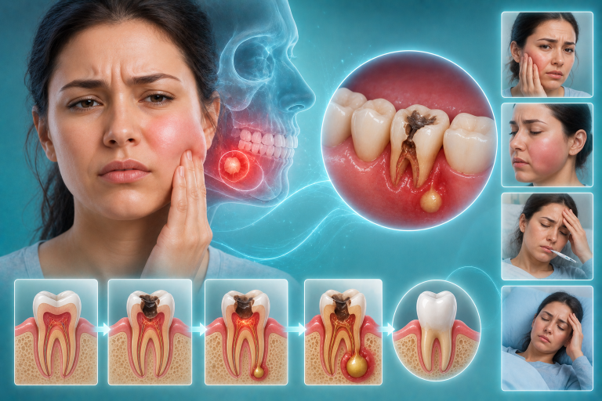
Can a Tooth Infection Cause Facial Swelling?
Yes. A tooth infection, also known as a dental abscess, occurs when bacteria enter the inner part of a tooth or the surrounding gum tissues.
As the infection develops, the body responds by sending immune cells to the affected area, which can lead to:
Swelling of the gums
Swelling of the cheek or jaw
Pain and tenderness
Redness
A feeling of pressure in the face
Facial swelling is often a sign that the infection has spread beyond the tooth and requires prompt professional treatment.
What Causes a Tooth Infection?
A dental infection can develop for several reasons, including:
Untreated tooth decay
A cracked or broken tooth
Advanced gum disease
Trauma to a tooth
A failed filling or crown that allows bacteria to enter the tooth
Without treatment, bacteria can reach the tooth's pulp, where the nerves and blood vessels are located, leading to infection.
Signs of a Tooth Infection
A tooth infection may cause one or more of the following symptoms:
Severe or throbbing toothache
Swollen face or cheek
Swollen gums
Pain when biting or chewing
Sensitivity to hot or cold
A bad taste in the mouth
Pus draining from the gums
Persistent bad breath
Swollen glands in the neck
Symptoms can range from mild discomfort to severe pain and swelling.
When Is Facial Swelling a Dental Emergency?
Not all swelling is the same, but facial swelling caused by a suspected tooth infection should always be assessed by a dentist as soon as possible.
Seek urgent dental care if you experience:
Rapidly increasing facial swelling
Severe tooth pain
Difficulty opening your mouth
Swelling that spreads into your jaw or cheek
Fever or feeling generally unwell
Pus around the affected tooth
These symptoms may indicate that the infection is becoming more serious and requires prompt treatment.
When Should You Seek Emergency Medical Care?
Although uncommon, a dental infection can occasionally spread beyond the mouth.
Seek immediate emergency medical attention (call 999 or attend your nearest Accident and Emergency department) if you experience:
Difficulty breathing
Difficulty swallowing
Swelling affecting your eye, neck or throat
Rapidly spreading facial swelling
Confusion or extreme drowsiness
These symptoms require urgent medical assessment and should not wait for a routine dental appointment.
Why You Should Never Ignore a Dental Abscess
Some people assume that once the pain eases, the problem has gone away.
However, this is not always the case.
Sometimes, the pressure inside an abscess decreases after it drains, causing temporary pain relief. The infection itself may still be present and continue to spread.
Untreated dental infections can lead to:
Damage to the affected tooth
Infection spreading into surrounding tissues
Bone loss around the tooth
Tooth loss
More complex dental treatment
Prompt treatment helps prevent complications and improves the likelihood of saving the affected tooth.
How Is a Tooth Infection Treated?
Your dentist will examine the affected tooth and recommend the most appropriate treatment based on the source and severity of the infection.
Treatment may include:
Root Canal Treatment
If the tooth can be saved, root canal treatment removes the infected tissue from inside the tooth before sealing and restoring it.
Tooth Extraction
If the tooth is too badly damaged to repair, removal may be the safest option to eliminate the infection.
Drainage of the Abscess
If there is a collection of pus, your dentist may need to drain the abscess to help relieve pressure and promote healing.
Antibiotics
Antibiotics are not always necessary for every dental abscess.
They may be prescribed when:
The infection has spread
There is significant facial swelling
You have fever or feel generally unwell
Your immune system is compromised
In many cases, treating the source of the infection is the most important step. Antibiotics alone will not remove the cause if the infected tooth remains untreated.
What Should You Do While Waiting to See a Dentist?
If you have facial swelling caused by a suspected tooth infection:
✔ Contact a dentist as soon as possible.
✔ Take over-the-counter pain relief as directed on the packaging, unless advised otherwise by a healthcare professional.
✔ Apply a cold compress to the outside of your cheek to help ease swelling.
✔ Drink plenty of water.
✔ Avoid chewing on the affected side.
Do not attempt to burst an abscess yourself, as this can increase the risk of spreading the infection.
Can Tooth Infections Be Prevented?
Many dental abscesses develop from problems that could have been identified earlier.
Reduce your risk by:
Brushing twice daily with fluoride toothpaste
Cleaning between your teeth every day
Limiting sugary foods and drinks
Attending regular dental check-ups
Seeking treatment promptly for cavities or damaged teeth
Managing gum disease early
Preventive dental care is the best way to avoid serious infections.
Final Thoughts
Facial swelling should never be ignored, particularly when it is accompanied by tooth pain or other signs of infection. A dental abscess is unlikely to resolve without professional treatment, and delaying care can increase the risk of complications.
Recognising the warning signs and seeking prompt treatment can help relieve pain, protect your oral health and, in many cases, save the affected tooth.
Book Your Consultation
If you have a swollen face, severe tooth pain or think you may have a dental abscess, the experienced team at Euro Dental Care is here to help.
We provide prompt assessment and treatment for dental infections, helping to relieve pain, manage swelling and protect your long-term oral health.
Contact Euro Dental Care today if you're experiencing symptoms of a tooth infection. Early treatment can make all the difference in protecting your smile and preventing more serious complications.