
Tartar Buildup: Early Signs You Should Never Ignore
Maintaining good oral hygiene goes beyond keeping your teeth looking clean and white. One of the most common dental problems many people overlook is tartar buildup. While it may begin as a minor issue, untreated tartar can contribute to gum disease, tooth decay, bad breath, and long-term oral health complications.
Many patients do not realise they have tartar until symptoms become more noticeable. Recognising the early warning signs can help prevent more serious dental problems and reduce the need for extensive treatment later on.
In this guide, we explain what tartar buildup is, the early signs you should never ignore, and how to prevent it from affecting your oral health.
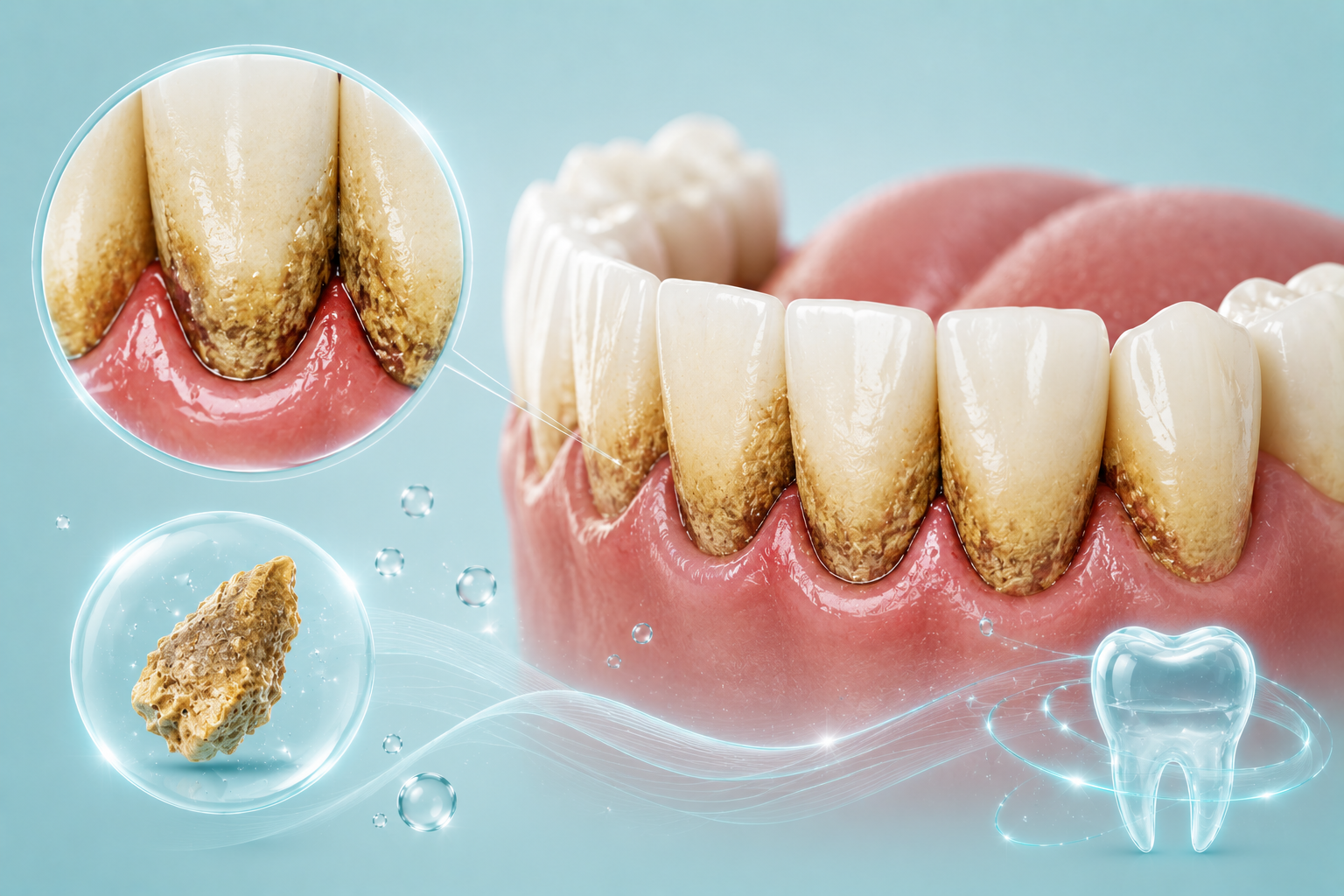
What Is Tartar Buildup?
Tartar, also known as dental calculus, is hardened plaque that forms on the teeth when plaque is not effectively removed through daily brushing and flossing.
Plaque is a sticky film of bacteria that develops naturally on the teeth throughout the day. If it remains on the teeth for too long, minerals in saliva can cause it to harden into tartar.
Unlike plaque, tartar cannot usually be removed by brushing alone and often requires professional dental cleaning.
Why Does Tartar Form?
Several factors can contribute to tartar accumulation, including:
Inconsistent brushing and flossing
Poor oral hygiene habits
Frequent consumption of sugary foods and drinks
Smoking or tobacco use
Dry mouth
Crowded teeth that are difficult to clean properly
Tartar commonly forms behind the lower front teeth and around the gum line because these areas tend to collect saliva and plaque more easily.
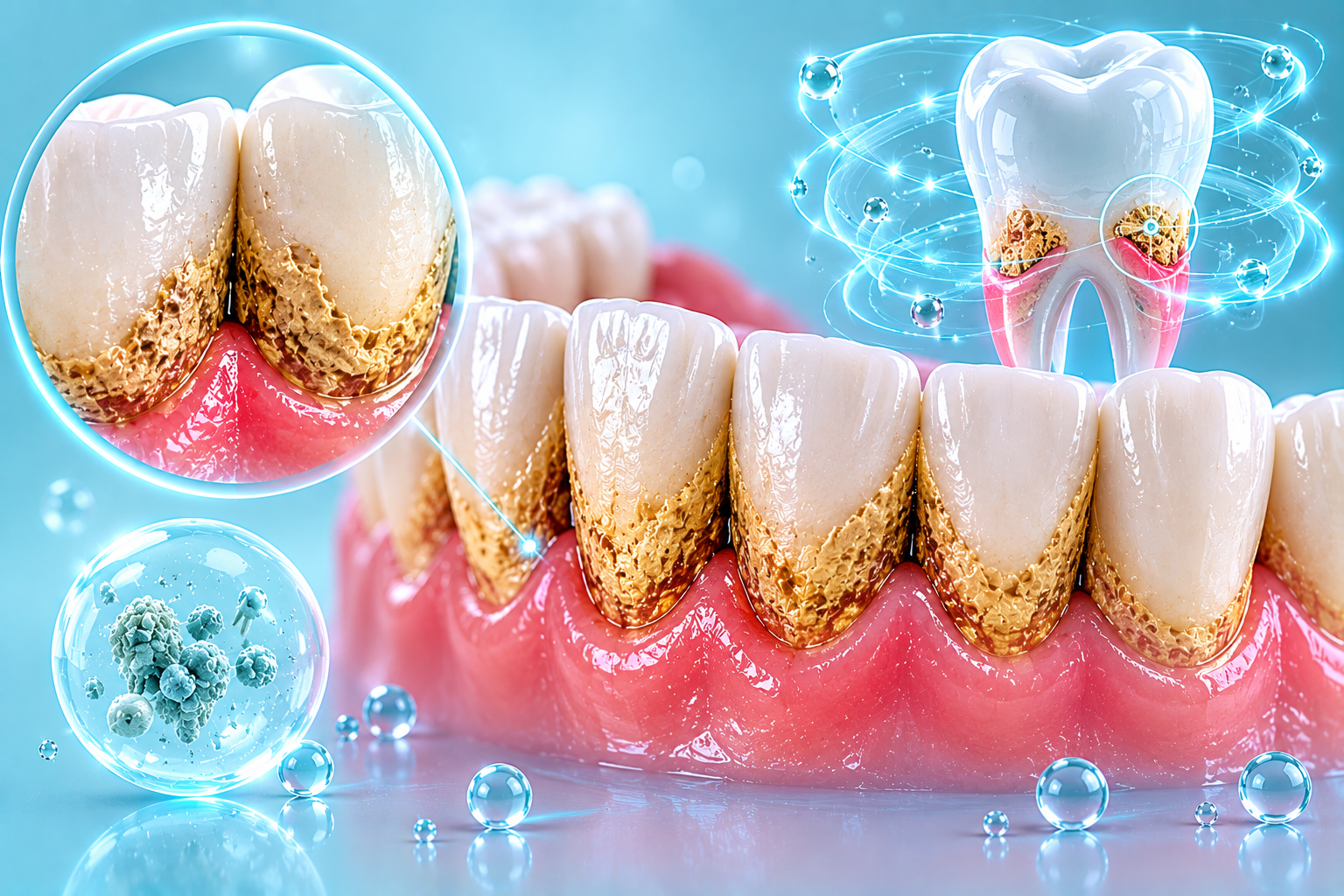
Early Signs of Tartar Buildup You Should Never Ignore
1. Yellow or Brown Deposits on the Teeth
One of the earliest visible signs of tartar is the appearance of yellow, brown, or off-white hardened deposits on the teeth.
These deposits often develop:
Along the gum line
Between teeth
Behind the lower front teeth
Unlike surface stains from coffee or tea, tartar usually feels rough and cannot easily be removed with brushing.
2. Persistent Bad Breath
Ongoing bad breath, also known as halitosis, can sometimes indicate plaque and tartar accumulation.
Bacteria trapped within tartar deposits produce unpleasant-smelling compounds that may continue even after brushing.
If persistent bad breath does not improve with regular oral hygiene, a dental examination may be necessary.
3. Bleeding Gums While Brushing or Flossing
Healthy gums should not bleed during routine brushing or flossing.
Tartar buildup along the gum line can irritate gum tissue, leading to inflammation and bleeding.
Early gum inflammation, often known as gingivitis, may present with:
Mild bleeding
Tender gums
Gum redness
Swelling
Ignoring these symptoms may allow gum disease to progress.
4. Red or Swollen Gums
As tartar accumulates, bacteria may begin irritating the surrounding gum tissue.
You may notice:
Redness around the gums
Puffy appearance
Tenderness
Sensitivity while eating or brushing
Inflamed gums are often among the earliest indicators that oral bacteria are affecting gum health.
5. Rough or Fuzzy Feeling on Teeth
Many patients describe tartar as making the teeth feel rough, coated, or uneven.
Even after brushing, your teeth may not feel completely smooth.
This rough surface also makes it easier for additional plaque and bacteria to collect, creating a cycle of further buildup.
6. Increased Tooth Sensitivity
As tartar accumulates near the gum line, it may contribute to gum recession and expose sensitive tooth surfaces.
This can result in discomfort when consuming:
Hot drinks
Cold foods
Sweet foods
Acidic beverages
Although sensitivity can have several causes, tartar may sometimes play a role.
What Happens If Tartar Is Left Untreated?
Ignoring tartar buildup may lead to more significant oral health problems over time.
Potential complications include:
Gum disease
Untreated tartar can increase the risk of gingivitis and periodontitis.
Tooth decay
Bacteria trapped around tartar deposits may contribute to cavities.
Gum recession
Chronic inflammation can cause gums to pull away from the teeth.
Tooth loss
Advanced gum disease can affect the supporting bone and tissues around teeth.
Early intervention is often far simpler than treating advanced dental problems.
Can Tartar Be Removed at Home?
Once plaque hardens into tartar, it usually cannot be safely removed through brushing or home remedies alone.
Internet trends sometimes promote methods such as:
Baking soda treatments
Scraping tools
DIY tartar removal techniques
However, attempting to remove hardened tartar yourself can damage tooth enamel and irritate gum tissue.
Professional dental cleaning remains the safest and most effective option.
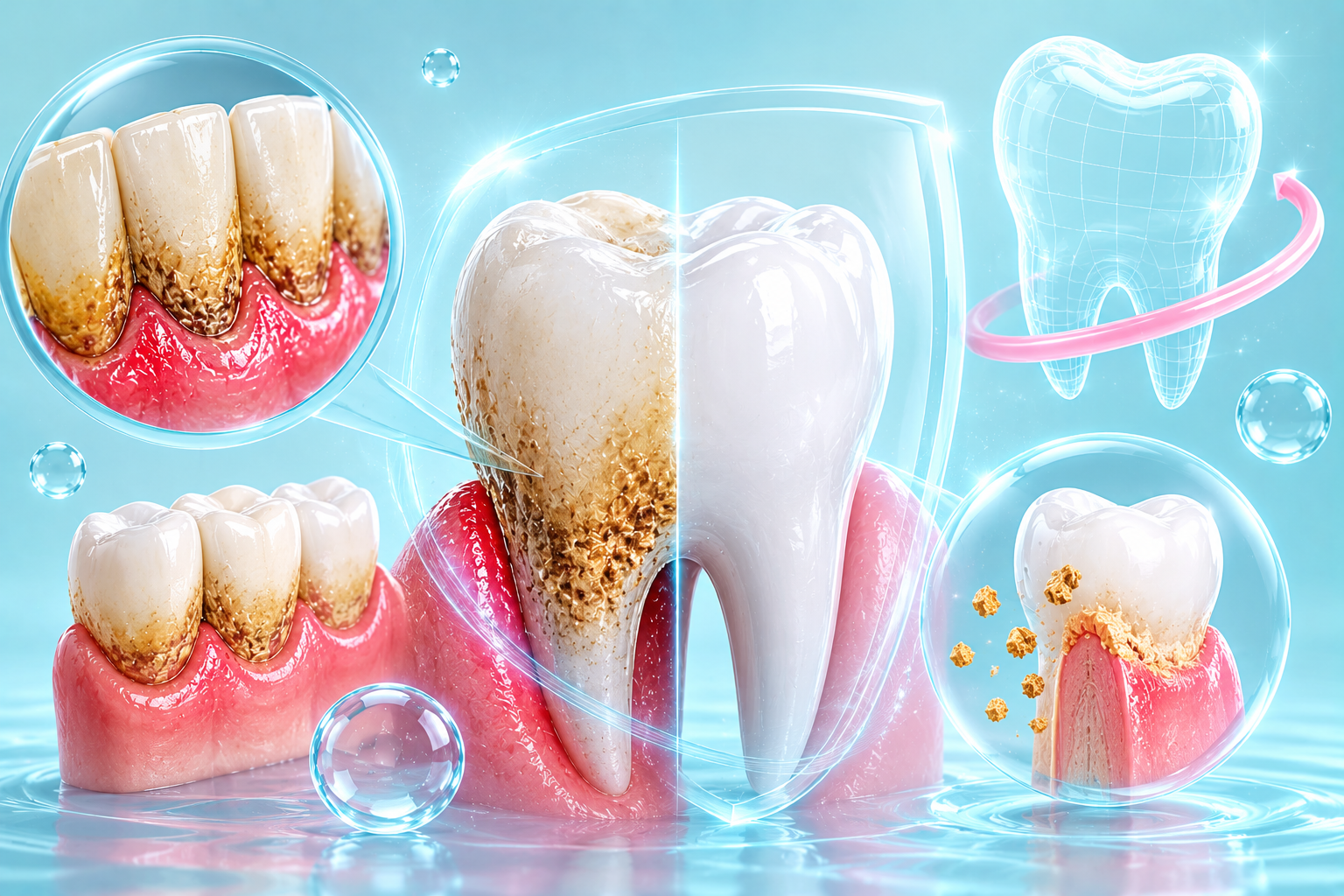
How Dentists Remove Tartar
Dental professionals use specialised instruments to remove tartar deposits safely and thoroughly.
Treatment may include:
Scale and polish procedures
Ultrasonic cleaning
Deep cleaning for more advanced cases
Professional cleaning removes tartar both above and below the gum line where brushing cannot reach.
How to Prevent Tartar Buildup
Prevention is always preferable to treatment.
Simple habits that help reduce tartar formation include:
✔ Brush twice daily using fluoride toothpaste
✔ Floss or use interdental brushes every day
✔ Limit sugary foods and drinks
✔ Attend regular dental check-ups
✔ Schedule professional hygiene appointments
✔ Avoid smoking and tobacco products
Consistent daily care can significantly reduce plaque accumulation and support long-term oral health.
Final Thoughts
Tartar buildup often begins quietly, but early warning signs such as bleeding gums, persistent bad breath, tooth sensitivity, and visible deposits should never be ignored.
Recognising these symptoms early and seeking professional care can help prevent more serious problems such as gum disease and tooth loss.
Maintaining regular dental visits alongside a good home care routine remains one of the most effective ways to keep your teeth and gums healthy.
Book Your Consultation
At Euro Dental Care, we provide professional dental hygiene treatments and preventive care designed to help keep your teeth and gums in excellent condition. Our experienced team can safely remove tartar buildup, assess your oral health, and provide personalised advice to help you maintain a healthy smile.
Whether you are experiencing symptoms of tartar buildup or simply want to stay proactive about your oral health, we are here to help.
Book your appointment with Euro Dental Care today and give your smile the professional care it deserves.