
5 Signs You May Need a Tooth Extraction
Hearing the words “tooth extraction” can make many patients feel anxious. However, tooth removal is often recommended only when it is the most appropriate option for protecting your long-term oral health.
Modern dentistry focuses on preserving natural teeth whenever possible through treatments such as fillings, crowns, or root canal therapy. In some situations, however, a tooth may become too damaged or problematic to save safely.
Recognising the early warning signs can help you seek treatment before symptoms worsen and avoid more serious complications.
In this guide, we explain five common signs you may need a tooth extraction, why it may be recommended, and what your dentist will consider before making that decision.
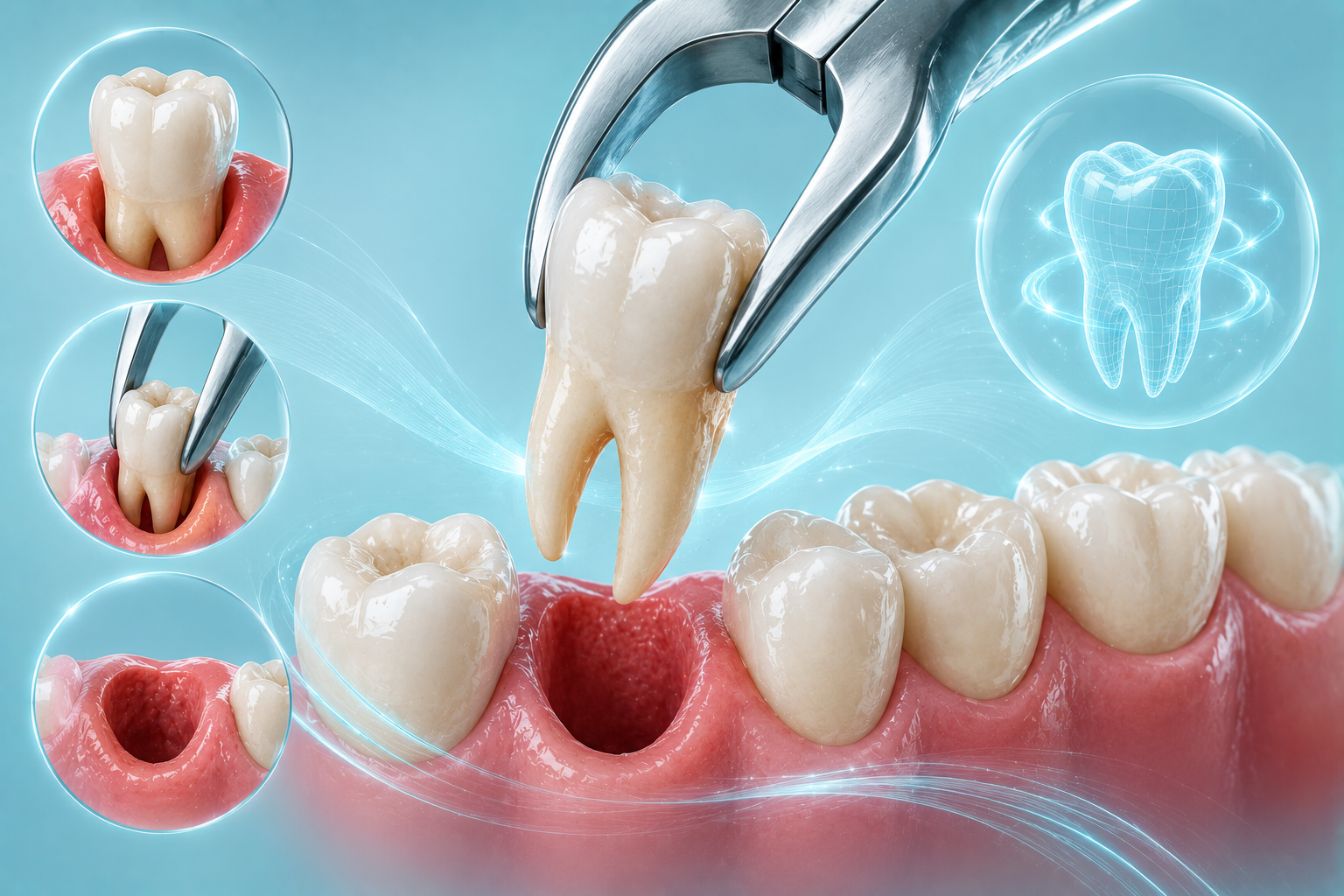
What Is a Tooth Extraction?
A tooth extraction is a dental procedure in which a tooth is removed from its socket in the jawbone.
Dentists usually consider extraction only when a tooth cannot be effectively restored or when leaving it in place may negatively affect surrounding teeth, gums, or overall oral health.
Reasons for tooth extraction can include:
Severe tooth decay
Advanced gum disease
Significant tooth damage
Impacted wisdom teeth
Dental overcrowding
Persistent infection
1. Severe Tooth Pain That Does Not Go Away
Persistent or severe tooth pain should never be ignored.
Occasional sensitivity can be common, but pain that continues or worsens may indicate an underlying issue such as:
Deep tooth decay
Infection
Nerve damage
Cracked teeth
Advanced gum disease
If the tooth structure or internal tissue has become severely compromised, extraction may sometimes be necessary if other treatments are no longer suitable.
Warning signs include:
Constant throbbing pain
Pain while chewing
Sharp pain when biting
Pain that interrupts sleep
2. Extensive Tooth Decay
Tooth decay usually begins with minor enamel damage, but if left untreated it can progress deeper into the tooth.
When decay becomes extensive, it may destroy a large portion of the tooth structure and increase the risk of infection.
In many cases, dentists can restore damaged teeth with:
Fillings
Crowns
Root canal treatment
However, if there is insufficient healthy tooth structure remaining, extraction may become the most predictable option.
3. Advanced Gum Disease
Gum disease affects the tissues and bone supporting the teeth.
In its advanced stages, known as periodontitis, the supporting structures around the teeth may become damaged.
You may notice:
Bleeding gums
Gum recession
Persistent bad breath
Loose teeth
Discomfort when chewing
As bone support decreases, teeth can become unstable. In severe cases, extraction may be necessary to prevent ongoing infection and protect surrounding teeth.
4. A Severely Cracked or Broken Tooth
Teeth can crack or fracture due to:
Trauma or accidents
Biting hard foods
Teeth grinding
Large fillings weakening the tooth
Minor fractures may often be repaired with restorative treatments. However, deep cracks extending below the gum line or into the root can sometimes make the tooth difficult to save.
Signs of a serious crack may include:
Pain while biting
Sudden sharp discomfort
Tooth sensitivity
Swelling around the area
Early assessment is important because untreated cracks may worsen over time.
5. Impacted or Problematic Wisdom Teeth
Wisdom teeth are among the most commonly extracted teeth.
Some wisdom teeth erupt normally without causing issues, but others may become impacted or grow at awkward angles.
Potential problems include:
Jaw pain
Swelling
Infection
Damage to neighbouring teeth
Difficulty cleaning the area
Dentists may recommend wisdom tooth extraction if these teeth are causing symptoms or are likely to create future complications.
Does Needing an Extraction Always Mean Tooth Removal Is Certain?
Not necessarily.
Dentists generally prioritise preserving natural teeth whenever possible.
Before recommending extraction, your dentist will often evaluate:
The extent of damage
Bone support around the tooth
Presence of infection
Long-term prognosis
Alternative treatment options
In some cases, treatments such as root canal therapy, periodontal treatment, or dental restorations may still allow the tooth to be saved.
What Happens If You Ignore These Signs?
Delaying treatment may increase the risk of:
Severe infection
Tooth abscesses
Increased pain
Damage to surrounding teeth
Gum disease progression
Tooth loss
Early diagnosis often leads to simpler and more conservative treatment options.
What Happens After a Tooth Extraction?
If extraction becomes necessary, your dentist will discuss replacement options if appropriate.
These may include:
Dental implants
Dental bridges
Dentures
Replacing missing teeth can help maintain:
Proper chewing function
Bite alignment
Jawbone support
Overall smile appearance
How to Reduce Your Risk of Tooth Extraction
Although not all extractions can be prevented, maintaining good oral health habits can lower the risk.
Helpful preventive measures include:
✔ Brush twice daily with fluoride toothpaste
✔ Floss or use interdental brushes every day
✔ Attend regular dental examinations
✔ Schedule professional hygiene appointments
✔ Avoid smoking
✔ Address dental problems early
Final Thoughts
Tooth extraction is usually considered when a tooth is severely damaged, infected, or affecting overall oral health. Symptoms such as persistent pain, advanced decay, loose teeth, severe fractures, or problematic wisdom teeth should never be ignored.
Seeking dental advice early may allow more treatment options and help prevent complications.
Book Your Consultation
At Euro Dental Care, we understand that concerns about tooth extraction can feel overwhelming. Our experienced dental team takes a patient-focused approach, carefully assessing every option before recommending treatment.
Whether you are experiencing tooth pain, swelling, or concerns about wisdom teeth, we are committed to providing professional guidance and comfortable care tailored to your needs.
Book an appointment with Euro Dental Care today and let our team help protect your oral health and keep your smile healthy for years to come.