
How Childhood Oral Health Affects Growth and Nutrition
Good oral health in childhood is about much more than having a healthy smile. It plays a crucial role in a child’s growth, nutrition, speech development, and overall wellbeing. When dental problems are left untreated, they can affect eating habits, nutrient intake, and even long-term development.
Understanding the connection between oral health and nutrition helps parents take early steps to protect their child’s health and prevent avoidable complications.
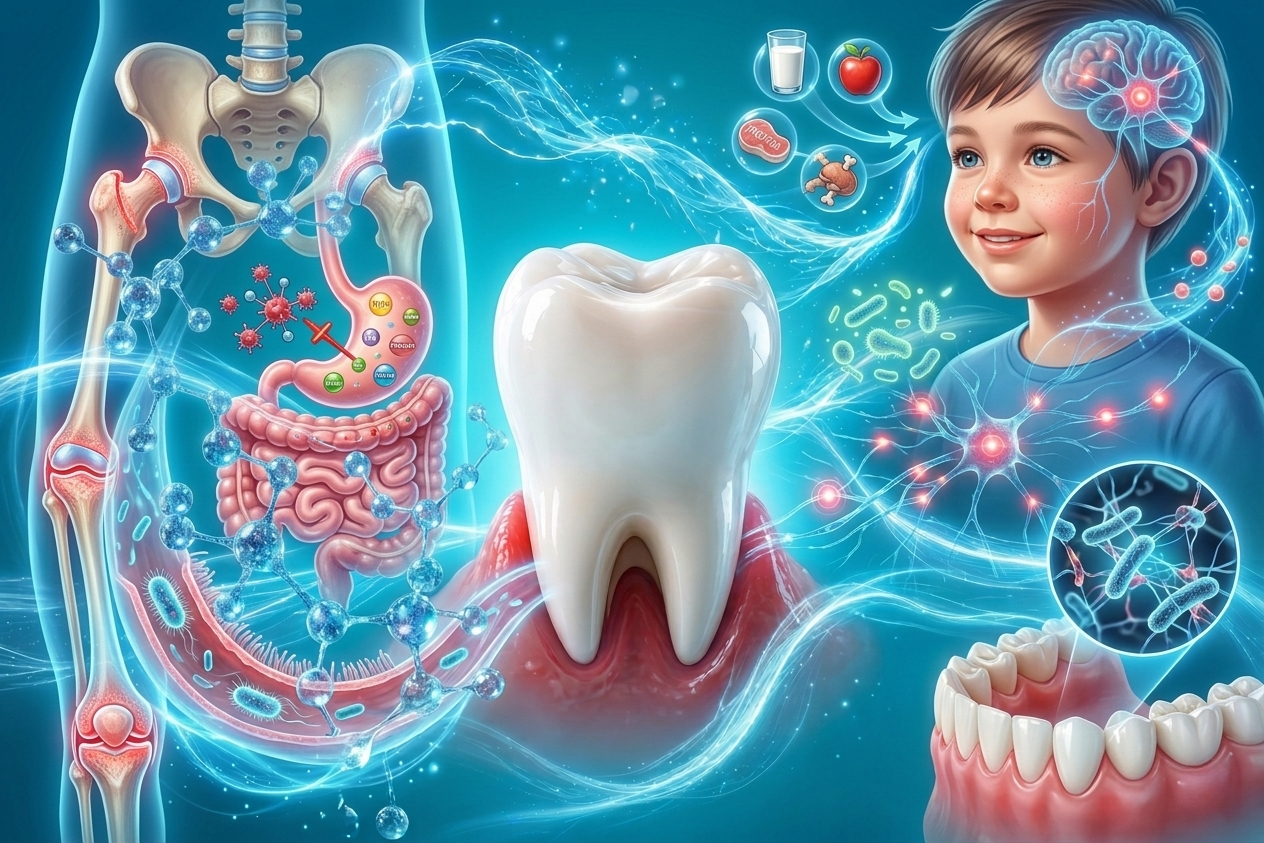
Why Oral Health Matters in Childhood Development
Children are still growing, which means their bodies require a steady intake of essential nutrients such as calcium, protein, iron, and vitamins. Healthy teeth and gums are necessary for proper chewing, digestion, and food intake.
When oral health is poor, it can interfere with:
Eating comfortably
Food choices
Nutrient absorption
Overall growth and energy levels
Even minor dental issues can have a bigger impact on children compared to adults.
How Tooth Pain Affects Eating Habits
Tooth decay and gum problems can cause pain or sensitivity, making it difficult for children to chew properly.
As a result, children may:
Avoid harder foods like fruits, vegetables, and meat
Prefer soft, processed, or sugary foods
Eat less overall due to discomfort
This limited diet can reduce exposure to important nutrients needed for healthy growth.
The Link Between Dental Health and Nutrition
A child’s diet and oral health are closely connected. Poor oral hygiene can lead to tooth decay, which is often caused by frequent consumption of sugary foods and drinks.
However, once decay develops, it can create a cycle:
Sugary diet increases risk of cavities
Cavities cause pain and discomfort
Child avoids healthy but harder foods
Diet becomes more reliant on soft, sugary foods
Oral health worsens further
Breaking this cycle early is essential for long-term health.
Effects of Poor Oral Health on Growth
When a child struggles to eat a balanced diet due to dental pain, it may affect:
1. Physical growth
Reduced intake of nutrients like protein and calcium can impact bone development and overall growth.
2. Energy levels
Children with poor diets may feel tired, affecting school performance and physical activity.
3. Immune system
Poor nutrition can weaken immunity, making children more prone to illness.
4. Facial and jaw development
Early tooth loss or untreated dental issues can sometimes affect jaw alignment and bite development.
The Role of Baby Teeth in Development
Baby teeth are often underestimated, but they are extremely important.
They help with:
Chewing and eating properly
Speech development
Guiding permanent teeth into position
If baby teeth are lost too early due to decay, it can affect spacing and alignment of adult teeth.
Common Childhood Dental Problems That Affect Nutrition
1. Tooth decay (dental caries)
The most common issue in children, often causing pain and sensitivity when eating.
2. Gum inflammation
Swollen or sore gums can make brushing and chewing uncomfortable.
3. Early tooth loss
May lead to difficulty chewing and reduced food variety.
4. Misaligned teeth
Bite issues can make chewing less efficient, affecting digestion.
Signs a Child’s Oral Health May Be Affecting Nutrition
Parents should look out for:
Complaints of tooth pain when eating
Avoidance of certain foods
Difficulty chewing or biting
Swollen or bleeding gums
Visible cavities or dark spots on teeth
Unexplained changes in appetite
How to Support Healthy Oral Health in Children
1. Encourage good brushing habits
Brush twice daily with fluoride toothpaste
Supervise young children while brushing
Use age-appropriate toothbrushes
2. Promote a balanced diet
Limit sugary snacks and drinks
Encourage fruits, vegetables, and protein-rich foods
Offer water instead of fizzy drinks or juice
3. Regular dental check-ups
Routine visits help detect problems early before they affect eating and development.
4. Fluoride protection
Fluoride strengthens enamel and helps prevent decay.
5. Early treatment of dental issues
Treating cavities or gum problems early helps prevent pain and nutritional issues.
Can Poor Oral Health Have Long-Term Effects?
If left untreated, childhood dental problems can lead to:
Ongoing dental anxiety
Poor eating habits into adulthood
Misaligned permanent teeth
Chronic oral health issues
Reduced quality of life
Early prevention is key to avoiding these long-term consequences.
When Should Parents Take Their Child to a Dentist?
Children should see a dentist if they experience:
Tooth pain or sensitivity
Difficulty eating
Visible decay or discolouration
Bleeding gums
Bad breath that does not improve
Regular dental visits from an early age are strongly recommended.
Final Thoughts
Childhood oral health plays a vital role in growth, nutrition, and overall development. Healthy teeth allow children to eat a balanced diet, absorb essential nutrients, and grow properly. When dental problems arise, they can quickly impact eating habits and overall wellbeing.
Good oral hygiene habits and early dental care are essential for ensuring children develop strong, healthy smiles and bodies.
Book Your Consultation
At Euro Dental Care, we provide gentle, child-friendly dental care focused on prevention, early detection, and education. Our team helps ensure children maintain healthy teeth and gums for proper growth and development.
If your child is experiencing tooth pain or difficulty eating, we are here to help.
Book an appointment with Euro Dental Care today and protect your child’s smile and future health.