
The Mouth–Lung Connection: What You Need to Know
Most people think of oral health as separate from the rest of the body, but research increasingly shows that the mouth is closely connected to overall health, especially the lungs. This relationship is known as the mouth–lung connection, and it plays an important role in conditions such as respiratory infections, pneumonia, and chronic lung disease.
Your mouth is the entry point to your respiratory system, meaning bacteria from the oral cavity can influence lung health if oral hygiene is poor. Understanding this connection highlights why maintaining good oral hygiene is not just about your smile. It may also support healthier breathing.
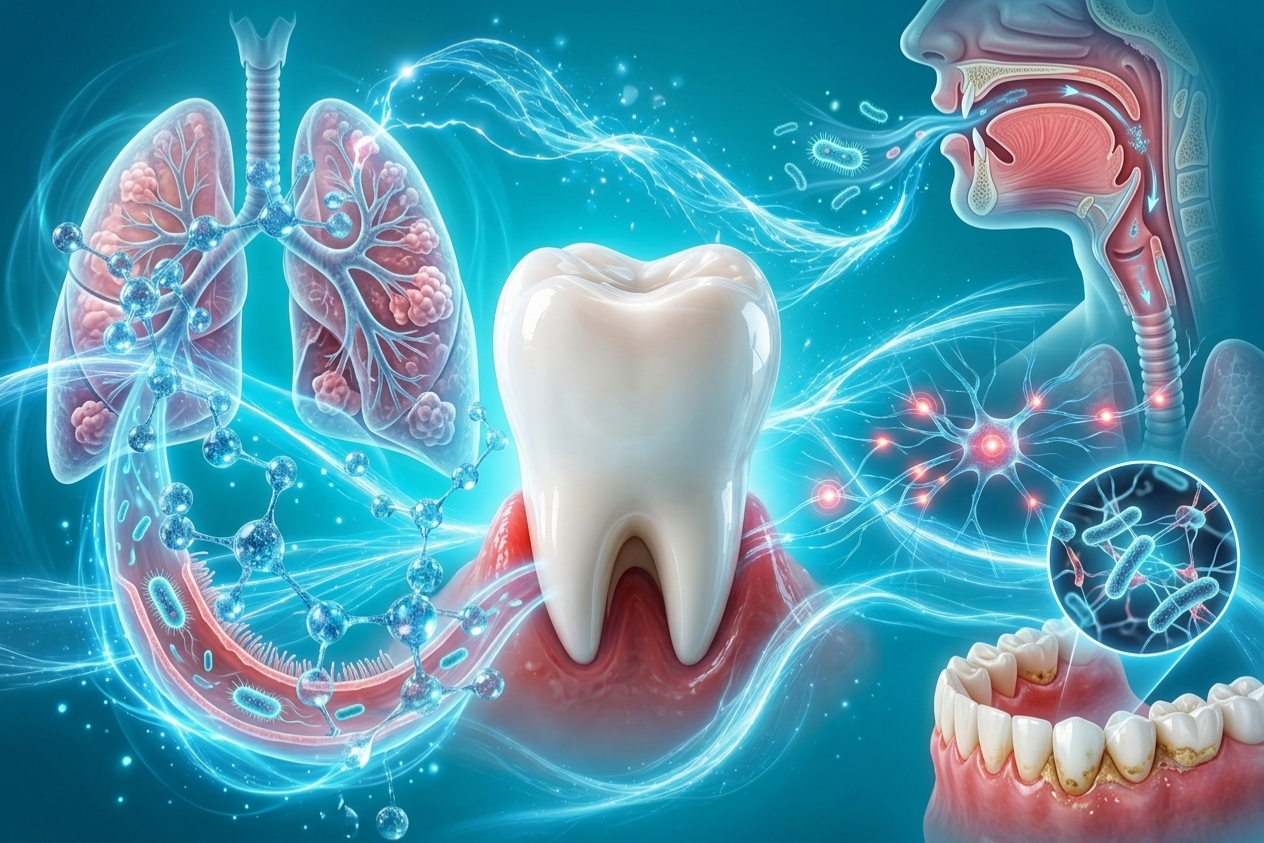
How the Mouth and Lungs Are Connected
Every breath you take passes through your mouth or nose into the lungs. This means that bacteria present in the mouth can be inhaled into the lower respiratory tract.
In a healthy mouth, bacteria levels are balanced and controlled by saliva and good oral hygiene. However, when oral hygiene is poor, harmful bacteria can accumulate and increase the risk of infection spreading to the lungs.
What Happens When Oral Hygiene Is Poor?
Poor oral hygiene can lead to:
Plaque buildup
Gum disease (gingivitis and periodontitis)
Increased harmful bacteria in the mouth
Chronic inflammation of gum tissues
When gum disease is present, bacteria can enter the bloodstream or be inhaled into the lungs, particularly during sleep or breathing.
How Oral Bacteria Can Affect the Lungs
There are two main ways oral health can influence lung health:
1. Aspiration of bacteria
Tiny droplets containing oral bacteria can be inhaled into the lungs. This is more likely during sleep or in individuals with swallowing difficulties.
Once in the lungs, these bacteria may contribute to infections such as:
Pneumonia
Bronchitis
Exacerbation of chronic lung disease
2. Inflammatory response in the body
Chronic gum disease causes ongoing inflammation in the mouth. This inflammatory state can affect the immune system and may contribute to worsening respiratory conditions.
Who Is Most at Risk?
While the mouth–lung connection affects everyone, certain groups are at higher risk:
Older adults
Smokers
People with gum disease
Individuals with weakened immune systems
Patients with chronic respiratory conditions (e.g., COPD)
Hospitalised or care home patients
In these groups, oral bacteria are more likely to impact lung health.
Gum Disease and Respiratory Health
Research has found a link between periodontal disease and increased risk of respiratory infections.
In gum disease, harmful bacteria thrive below the gumline and can multiply over time. These bacteria may be inhaled into the lungs, especially in individuals with reduced saliva flow or difficulty swallowing.
Signs of Poor Oral Health to Watch For
Symptoms that may indicate increased oral bacteria levels include:
Bleeding gums
Swollen or red gums
Persistent bad breath
Loose teeth
Gum recession
Thick plaque or tartar buildup
If these symptoms are present, it may be important to seek dental care.
How Good Oral Hygiene Supports Lung Health
Maintaining a clean and healthy mouth can help reduce harmful bacteria and support overall wellbeing.
Key habits include:
✔ Brushing twice daily with fluoride toothpaste
✔ Cleaning between teeth daily (floss or interdental brushes)
✔ Regular dental check-ups
✔ Professional cleaning to remove plaque and tartar
✔ Staying hydrated to support saliva flow
These habits help reduce bacterial load in the mouth and may lower the risk of respiratory complications.
The Role of Saliva in Protection
Saliva plays an essential role in controlling bacteria by:
Washing away food particles
Neutralising acids
Reducing bacterial growth
A dry mouth (xerostomia) can increase the risk of bacterial buildup, making oral hygiene even more important.
Can Improving Oral Health Reduce Respiratory Risk?
While oral care alone cannot prevent all respiratory conditions, studies suggest that improving oral hygiene may reduce the risk of:
Aspiration pneumonia
Hospital-acquired infections
Worsening of chronic lung diseases
This is especially important in vulnerable populations.
When Should You See a Dentist?
You should book a dental appointment if you notice:
Bleeding or swollen gums
Persistent bad breath
Signs of gum disease
Tooth pain or sensitivity
Heavy plaque buildup
Early treatment helps reduce bacterial levels and protect both oral and general health.
Final Thoughts
The mouth and lungs are more connected than many people realise. Poor oral hygiene can increase harmful bacteria in the mouth, which may contribute to respiratory problems when inhaled or spread through the body.
Maintaining good oral hygiene is a simple but powerful way to support not only your teeth and gums, but also your overall health.
Book Your Consultation
At Euro Dental Care, we believe that oral health is closely linked to whole-body wellbeing. Our team provides preventive dental care, gum disease treatment, and professional hygiene services to help reduce harmful bacteria and support long-term health.
If you are experiencing gum problems or want to improve your oral hygiene routine, we are here to help.
Book your appointment with Euro Dental Care today and take a step toward a healthier mouth and healthier lungs.