
The Hidden Link Between Stress and Dental Problems
Stress is a normal part of life. Whether it stems from work pressures, financial concerns, family responsibilities, or major life changes, most people experience periods of stress from time to time. While the effects of stress on mental and physical health are widely recognised, many people are unaware that it can also have a significant impact on their oral health.
In fact, stress can contribute to a range of dental problems, from teeth grinding and jaw pain to gum disease and poor oral hygiene habits. Understanding the connection between stress and oral health can help you recognise the warning signs early and take steps to protect your smile.
In this guide, we explore the hidden link between stress and dental problems and explain what you can do to minimise its effects.
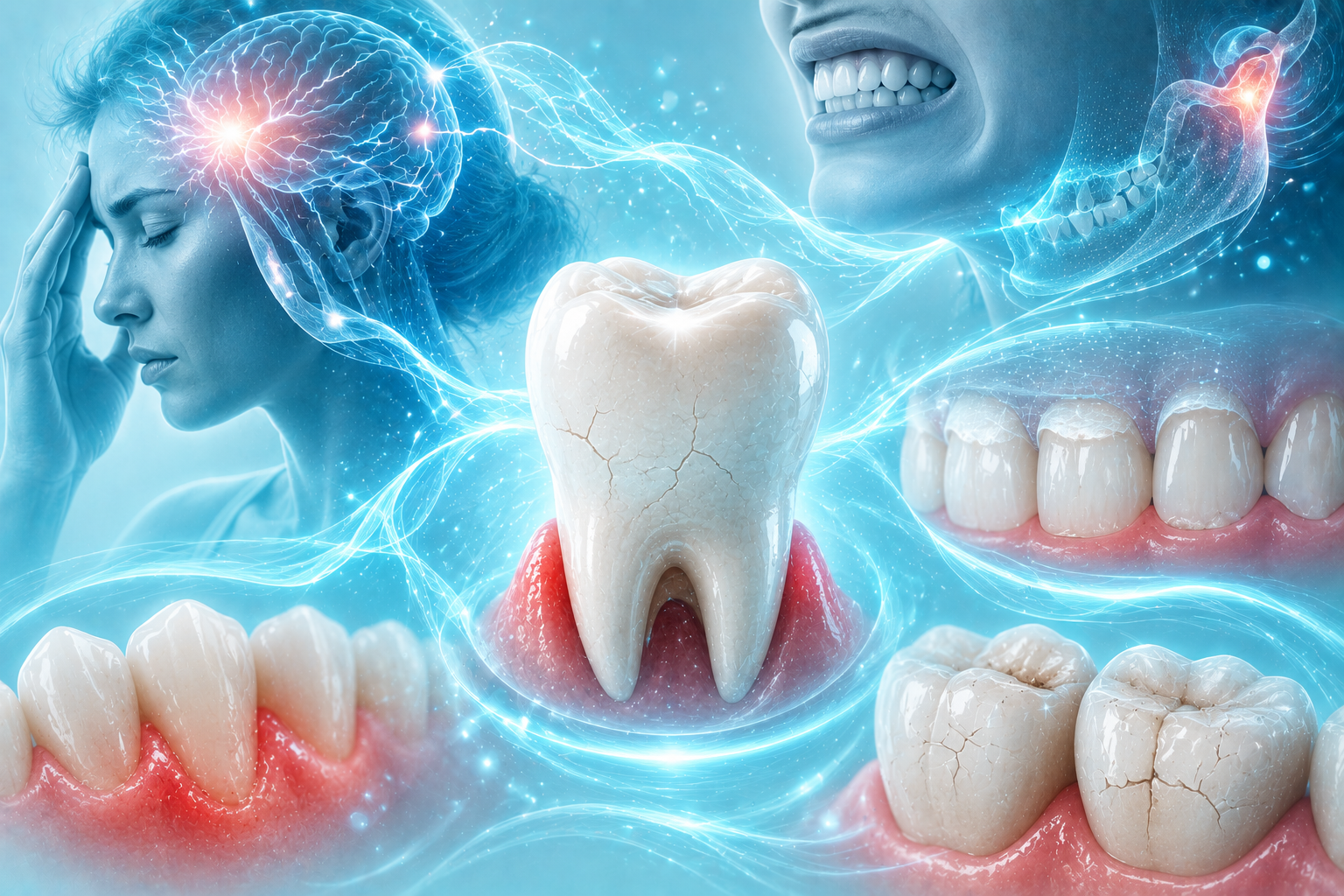
How Does Stress Affect Oral Health?
When the body is under stress, it responds by releasing hormones such as cortisol and adrenaline. While these hormones help us deal with challenging situations, prolonged or chronic stress can affect many systems in the body, including the mouth.
Stress may influence oral health both directly and indirectly by:
Increasing muscle tension
Weakening the immune response
Encouraging unhealthy habits
Affecting sleep quality
Reducing motivation for self-care
Over time, these factors can contribute to several dental concerns.
1. Teeth Grinding and Jaw Clenching (Bruxism)
One of the most common oral health problems linked to stress is bruxism, the unconscious grinding or clenching of teeth.
Many people grind their teeth while sleeping and may not realise they are doing it until symptoms develop.
Signs of bruxism include:
Worn or flattened teeth
Tooth sensitivity
Jaw pain or stiffness
Frequent headaches
Facial muscle discomfort
Clicking or popping jaw joints
If left untreated, teeth grinding can cause significant enamel wear and increase the risk of cracked or damaged teeth.
2. Increased Risk of Gum Disease
Research suggests that prolonged stress may affect the body's ability to fight infection and inflammation.
When combined with inadequate oral hygiene, this can increase the risk of:
Gingivitis
Gum inflammation
Periodontitis (advanced gum disease)
Symptoms to watch for include:
Bleeding gums
Swollen or tender gums
Persistent bad breath
Gum recession
Loose teeth in severe cases
Maintaining good oral hygiene and attending regular dental check-ups remain important for protecting gum health.
3. Tooth Sensitivity and Tooth Pain
Stress itself may not directly cause cavities, but it can contribute to habits that increase dental discomfort.
For example:
Teeth grinding can wear down enamel
Jaw clenching can place pressure on teeth
Increased acidic food or drink consumption may weaken enamel
These factors can make teeth more sensitive to:
Hot foods and drinks
Cold beverages
Sweet foods
Temperature changes
Persistent tooth pain should always be assessed by a dental professional.
4. Dry Mouth
Stress and anxiety can sometimes reduce saliva production, leading to a condition known as dry mouth.
Saliva plays a vital role in protecting the teeth and gums by:
Washing away food particles
Neutralising acids
Helping prevent tooth decay
Supporting oral tissue health
A lack of saliva can increase the risk of:
Cavities
Bad breath
Gum irritation
Oral infections
5. Poor Oral Hygiene Habits
During stressful periods, people may neglect aspects of their daily routine, including oral care.
Common stress-related habits include:
Skipping brushing or flossing
Missing dental appointments
Increased snacking
Consuming more sugary foods
Drinking more acidic beverages
Over time, these habits can contribute to plaque buildup, tooth decay, and gum disease.
6. Jaw Pain and TMJ Problems
Stress often causes people to tense their facial and jaw muscles without realising it.
This can place strain on the temporomandibular joint (TMJ), which connects the jaw to the skull.
Symptoms may include:
Jaw pain
Clicking or popping sounds
Difficulty opening the mouth
Facial discomfort
Headaches around the temples
Early intervention may help prevent long-term jaw issues.
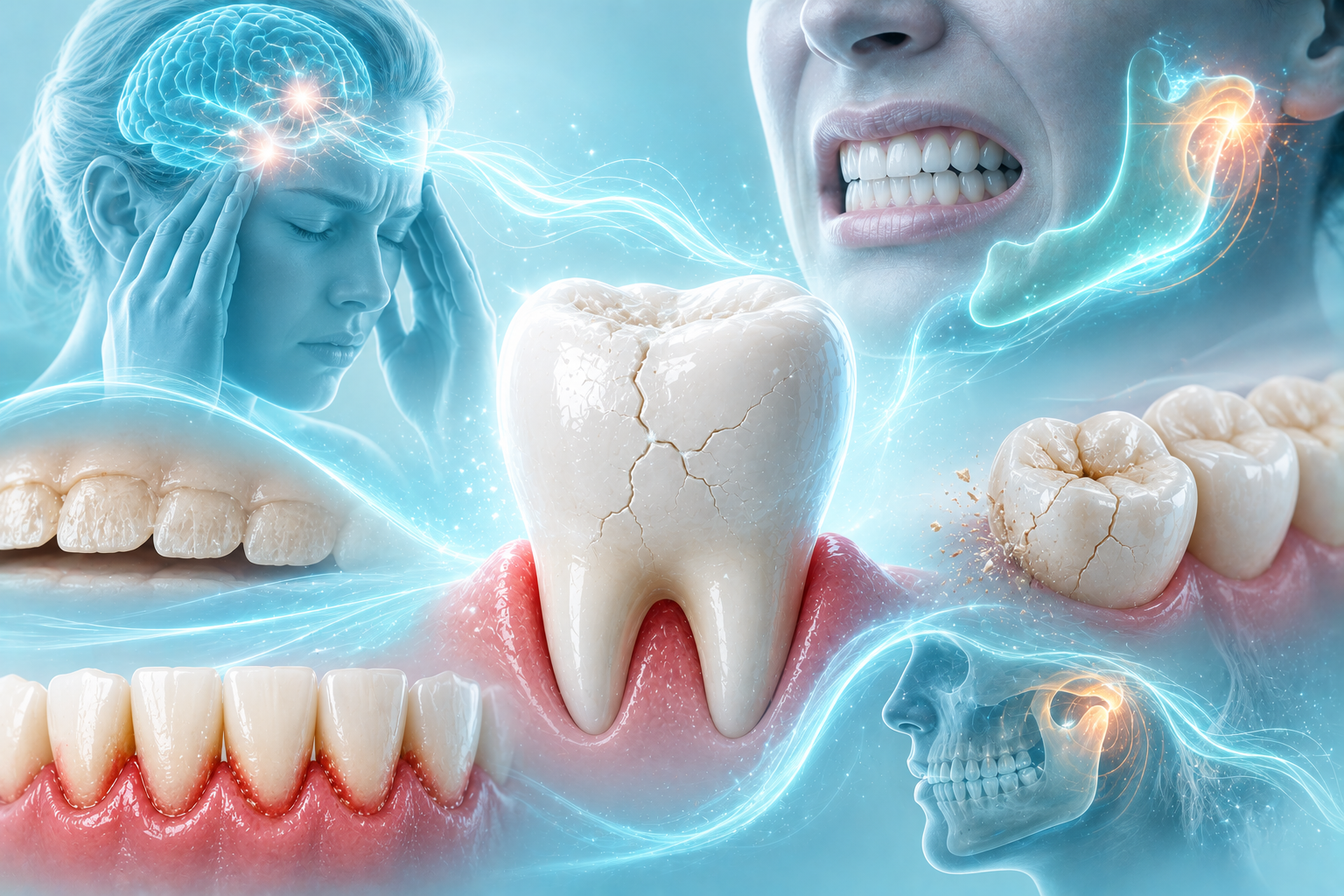
Signs That Stress May Be Affecting Your Oral Health
You should pay attention to symptoms such as:
Frequent headaches
Waking with jaw soreness
Sensitive teeth
Chipped or worn teeth
Bleeding gums
Dry mouth
Persistent bad breath
These signs may indicate that stress is contributing to your dental health concerns.
How to Protect Your Oral Health During Stressful Periods
While it may not always be possible to eliminate stress entirely, there are practical steps you can take to reduce its impact on your smile.
Maintain a consistent oral hygiene routine
Continue to:
✔ Brush twice daily with fluoride toothpaste
✔ Floss or use interdental brushes daily
✔ Attend regular dental check-ups
Manage teeth grinding
If you grind or clench your teeth, your dentist may recommend a custom night guard to protect your teeth while you sleep.
Stay hydrated
Drinking plenty of water can help combat dry mouth and support saliva production.
Limit sugary snacks and drinks
Stress-related snacking can increase the risk of cavities. Choosing healthier alternatives may help protect your teeth.
Prioritise sleep and wellbeing
Improving sleep quality and managing stress levels can have positive effects on both general and oral health.
When Should You See a Dentist?
If you notice symptoms such as:
Ongoing jaw pain
Frequent headaches
Tooth sensitivity
Worn or chipped teeth
Bleeding gums
Persistent dry mouth
it is important to schedule a dental examination.
Early diagnosis can help prevent minor problems from becoming more serious.
Final Thoughts
Stress can affect much more than your mood or energy levels. From teeth grinding and jaw pain to gum disease and dry mouth, the impact of chronic stress on oral health is often underestimated.
Recognising the signs early and maintaining good oral health habits can help minimise long-term damage and keep your smile healthy.
Book Your Consultation
At Euro Dental Care, we understand that oral health is closely connected to overall wellbeing. Our experienced dental team can identify signs of stress-related dental problems and provide personalised solutions, including preventive care, restorative treatment, and custom mouthguards for teeth grinding.
If you are experiencing tooth sensitivity, jaw discomfort, or other oral health concerns, we are here to help.
Book an appointment with Euro Dental Care today and take the first step towards protecting your smile and your long-term oral health.