
What Can You Eat After a Tooth Extraction?
After a tooth extraction, one of the most common questions patients ask is: “What can I eat?”
The foods and drinks you choose during the healing process can play an important role in your recovery. Eating the wrong foods too soon may irritate the extraction site, increase discomfort, or even lead to complications such as dry socket.
The good news is that with a few simple adjustments, you can stay comfortable, support healing, and reduce the risk of post-extraction problems.
In this guide, we'll explain what foods are safe to eat after a tooth extraction, what to avoid, and how to promote a smooth recovery.
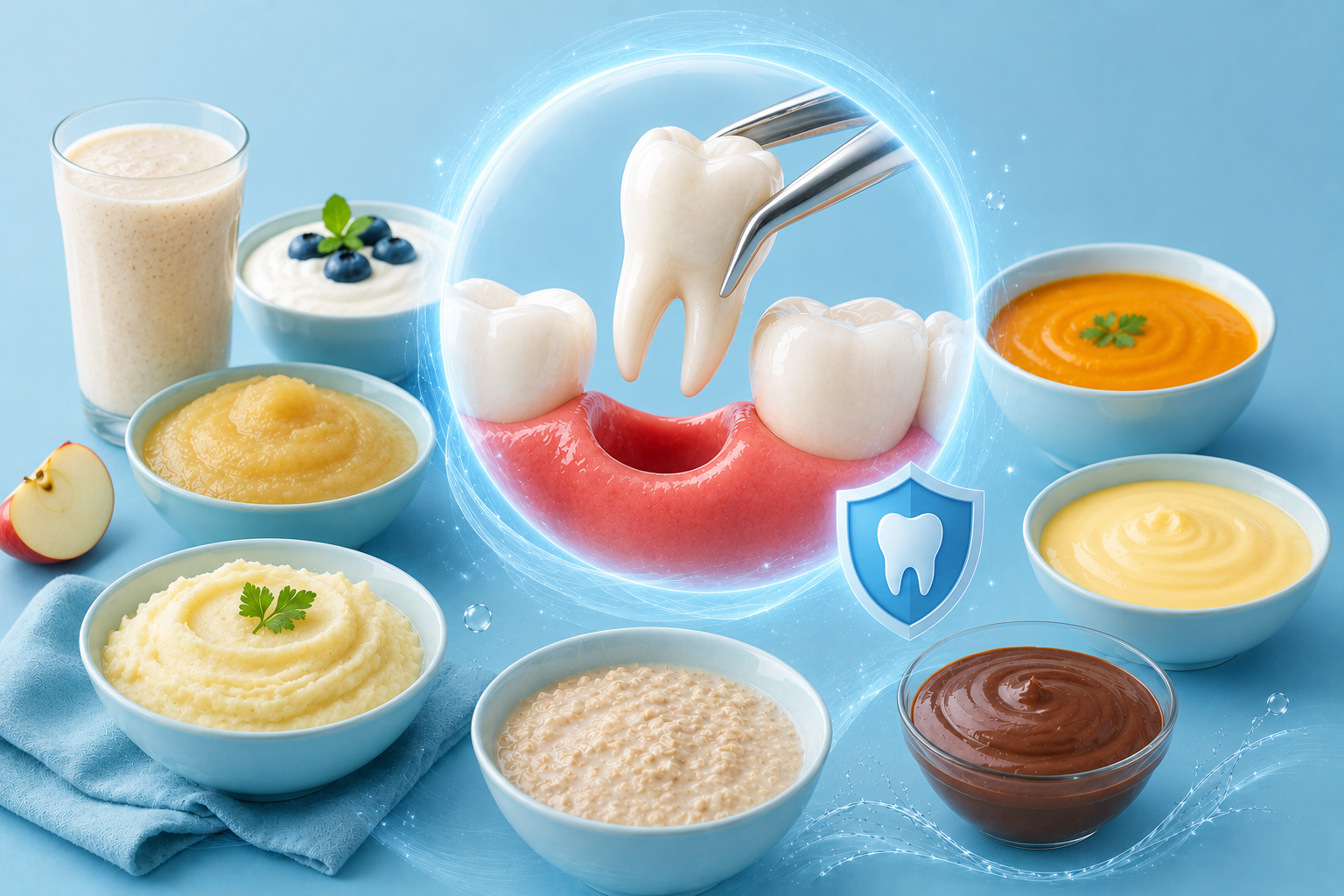
Why Your Diet Matters After a Tooth Extraction
Recommended foods include:
Yoghurt
Smooth soups (cooled to lukewarm)
Mashed potatoes
Applesauce
Smoothies (without a straw)
Scrambled eggs
Porridge
Cottage cheese
Blended vegetables
Protein shakes (without a straw)
These foods are gentle on the extraction site and provide important nutrients to support recovery.
Best Foods to Eat During the First Few Days
As healing progresses, you can gradually introduce slightly more substantial foods.
Soft foods that are often suitable include:
Mashed Potatoes
Easy to eat and rich in carbohydrates for energy.
Scrambled Eggs
A good source of protein that requires minimal chewing.
Yoghurt
Provides protein and is soothing for sensitive tissues.
Oatmeal or Porridge
Soft, filling, and easy to consume.
Pasta
Well-cooked pasta can be introduced once chewing becomes more comfortable.
Soft Fish
Fish such as cod or salmon can provide valuable nutrients and protein.
Steamed Vegetables
Cooked until soft, vegetables can help maintain a balanced diet during recovery.
Importance of Staying Hydrated
Hydration is essential after any dental procedure.
Drinking plenty of water helps:
Support healing
Reduce dry mouth
Flush away bacteria
Maintain overall health
Drink regularly throughout the day, especially if you are taking pain medication.
Foods to Avoid After a Tooth Extraction
Certain foods can interfere with healing or irritate the extraction site.
Avoid:
Hard foods
Examples include:
Nuts
Crisps
Crackers
Hard sweets
These can damage healing tissues or become trapped in the socket.
Crunchy foods
Foods such as popcorn or seeded snacks may leave particles behind that are difficult to remove.
Sticky foods
Caramel, chewing gum, and similar foods may disturb the blood clot.
Spicy foods
These can irritate the extraction area and increase discomfort.
Extremely hot foods and drinks
Very hot temperatures may interfere with clot formation during the early stages of healing.
Alcohol
Alcohol may affect healing and interact with prescribed medications.
Why You Should Avoid Using a Straw
Many patients are surprised to learn that drinking through a straw should be avoided after a tooth extraction.
The suction created when using a straw may dislodge the blood clot from the socket.
This can increase the risk of dry socket, a painful condition that occurs when the extraction site becomes exposed before healing properly.
For the first several days, drink directly from a cup instead.
What Is Dry Socket?
Dry socket occurs when the protective blood clot is lost too early.
Symptoms may include:
Severe pain several days after extraction
Pain radiating to the ear or jaw
Bad taste in the mouth
Unpleasant odour from the extraction site
Following your dentist's aftercare instructions and choosing appropriate foods can help reduce this risk.
When Can You Return to Normal Eating?
Recovery times vary from person to person.
Many patients can begin introducing more solid foods within several days, depending on:
The complexity of the extraction
The number of teeth removed
Individual healing response
It is generally best to reintroduce foods gradually and avoid chewing directly on the extraction site until advised otherwise by your dentist.
Additional Recovery Tips
To support healing after a tooth extraction:
✔ Eat soft foods for the first few days
✔ Drink plenty of water
✔ Avoid smoking
✔ Avoid alcohol if advised by your dentist
✔ Follow all post-operative instructions
✔ Maintain good oral hygiene carefully
✔ Attend any recommended follow-up appointments
When Should You Contact Your Dentist?
You should seek professional advice if you experience:
Severe or worsening pain
Excessive bleeding
Persistent swelling
Signs of infection
Difficulty swallowing
Symptoms of dry socket
Prompt assessment can help prevent complications and support a smoother recovery.
Final Thoughts
Knowing what to eat after a tooth extraction can make a significant difference to your comfort and recovery. Soft, nutritious foods and good hydration help support healing while reducing the risk of complications.
By avoiding hard, crunchy, spicy, and sticky foods during the early stages of recovery, you can give your mouth the best opportunity to heal properly.
Book Your Consultation
At Euro Dental Care, we are committed to supporting patients throughout every stage of their treatment and recovery. Whether you are having a simple extraction or wisdom tooth removal, our experienced team provides clear aftercare guidance to help ensure a comfortable healing process.
If you have concerns about pain, recovery, or post-extraction care, we are here to help.
Book an appointment with Euro Dental Care today for professional advice, expert treatment, and personalised dental care you can trust.