
Can Poor Oral Hygiene Increase Your Risk of Heart Disease? Here’s What Science Says
Oral health is often viewed as separate from the rest of the body, but growing research suggests a much closer connection between the mouth and overall health than many people realise. One of the most important links being studied is the relationship between poor oral hygiene and heart disease.
While brushing and flossing are usually associated with preventing cavities and gum disease, science indicates that oral hygiene may also play a role in protecting cardiovascular health.
In this article, we explore what current research says about the connection between oral health and heart disease, and why maintaining a healthy mouth may support a healthier heart.
The Link Between Oral Health and Heart Health
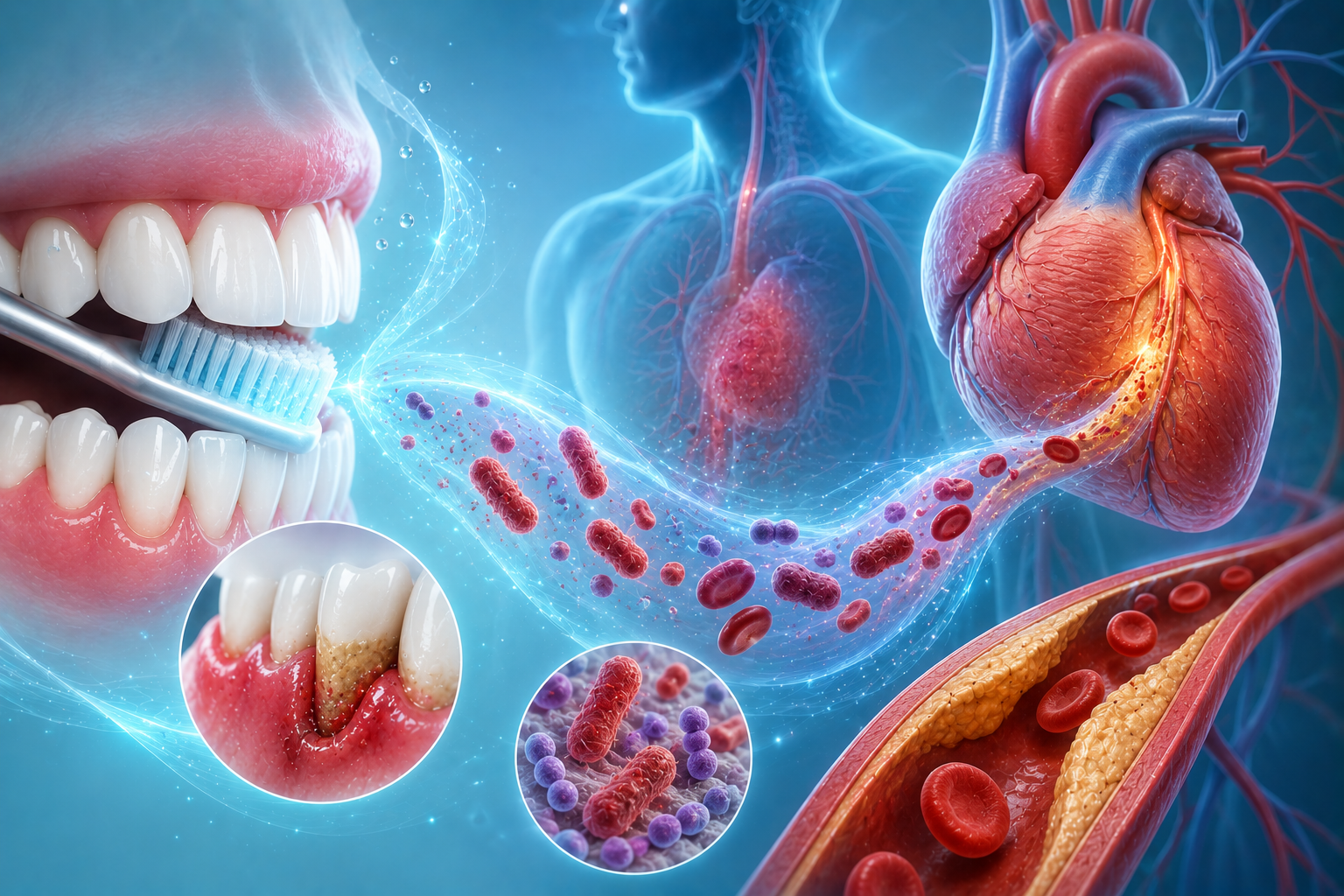
Your mouth is home to millions of bacteria. Most of them harmless. However, when oral hygiene is poor, harmful bacteria can accumulate and lead to gum disease (gingivitis and periodontitis).
When gums become inflamed, bacteria and inflammatory substances can enter the bloodstream. This can trigger a wider inflammatory response in the body.
Researchers believe this ongoing inflammation may be one of the key links between oral disease and cardiovascular problems.
What Happens When Oral Health Is Poor?
Poor oral hygiene can lead to several conditions that may indirectly affect heart health:
1. Gum disease (periodontitis)
Advanced gum disease causes:
Chronic inflammation of the gums
Bleeding and infection
Damage to supporting bone and tissue
This long-term inflammation is thought to play a role in systemic health issues.
2. Bacteria entering the bloodstream
When gums bleed, bacteria can enter the bloodstream and travel throughout the body. Some studies suggest that oral bacteria have been found in arterial plaque.
3. Chronic inflammation
Inflammation is the body’s natural response to infection, but long-term inflammation may contribute to the narrowing of blood vessels over time.
What Does Science Say About the Connection?
Research has shown a strong association between gum disease and cardiovascular disease, including heart attacks and strokes.
While scientists are still studying whether gum disease directly causes heart disease, the evidence suggests:
People with gum disease are more likely to have heart disease
Oral bacteria may contribute to inflammation in blood vessels
Poor oral health is often linked with other risk factors such as smoking, diabetes, and poor diet
It is important to note that association does not always mean direct causation, but the relationship is strong enough that dental health is now considered an important part of overall wellbeing.
Shared Risk Factors Between Gum Disease and Heart Disease
One reason for the connection is that both conditions share similar risk factors, including:
Smoking
Diabetes
Poor diet high in sugar and saturated fats
High stress levels
Lack of regular exercise
Poor oral hygiene
This means improving oral health may also help improve overall lifestyle habits that benefit the heart.
Signs of Poor Oral Health You Should Not Ignore
If you notice the following symptoms, it may indicate gum disease or poor oral hygiene:
Bleeding gums when brushing or flossing
Persistent bad breath
Red or swollen gums
Gum recession
Loose teeth
Tooth sensitivity
Early treatment is important to prevent progression and reduce inflammation.
How to Protect Your Oral and Heart Health
Good oral hygiene habits may support both dental and overall health.
Daily oral care routine:
✔ Brush twice a day with fluoride toothpaste
✔ Clean between teeth daily (floss or interdental brushes)
✔ Use mouthwash if recommended
Lifestyle habits:
✔ Avoid smoking
✔ Limit sugary foods and drinks
✔ Maintain a balanced diet rich in fruits and vegetables
✔ Stay hydrated
Regular dental visits:
✔ Routine check-ups help detect gum disease early
✔ Professional cleaning removes plaque and tartar buildup
✔ Early treatment prevents long-term complications
Can Improving Oral Hygiene Reduce Health Risks?
While more research is still needed, improving oral hygiene is widely considered beneficial for overall health. Treating gum disease reduces inflammation in the mouth, which may also reduce the inflammatory burden on the body.
Even if the heart-health connection is indirect, maintaining healthy gums and teeth clearly supports better long-term wellbeing.
When Should You See a Dentist?
You should book a dental appointment if you experience:
Bleeding or swollen gums
Persistent bad breath
Gum recession
Loose teeth
Ongoing tooth pain
Early intervention can prevent gum disease from progressing and protect both oral and general health.
Final Thoughts
The connection between oral health and heart disease highlights an important message: your mouth is part of your overall health system.
While poor oral hygiene does not directly cause heart disease, the inflammation and bacteria associated with gum disease may contribute to broader health risks. Maintaining good oral hygiene is a simple but powerful step toward protecting both your smile and your overall wellbeing.
Book Your Consultation
At Euro Dental Care, we focus on preventive dentistry that supports both oral and overall health. Our team provides thorough gum assessments, professional cleaning, and personalised advice to help reduce the risk of gum disease and its potential systemic effects.
If you are concerned about bleeding gums, bad breath, or long-term oral health, we are here to help.
Book your appointment with Euro Dental Care today and take a proactive step toward a healthier smile and a healthier you.