
Hormonal Changes and Oral Health: Why Gums Become More Sensitive During Pregnancy
Pregnancy is a time of significant hormonal change, and while most attention is focused on physical and emotional wellbeing, oral health is often overlooked. However, hormonal fluctuations during pregnancy can have a noticeable effect on the gums and overall dental health.
Many pregnant individuals experience gum sensitivity, swelling, or bleeding, even with good oral hygiene. This is not uncommon, and it is largely driven by changes in hormone levels that affect how the gums respond to plaque and bacteria.
In this article, we explain why gums become more sensitive during pregnancy, what symptoms to look out for, and how to maintain good oral health during this important stage of life.
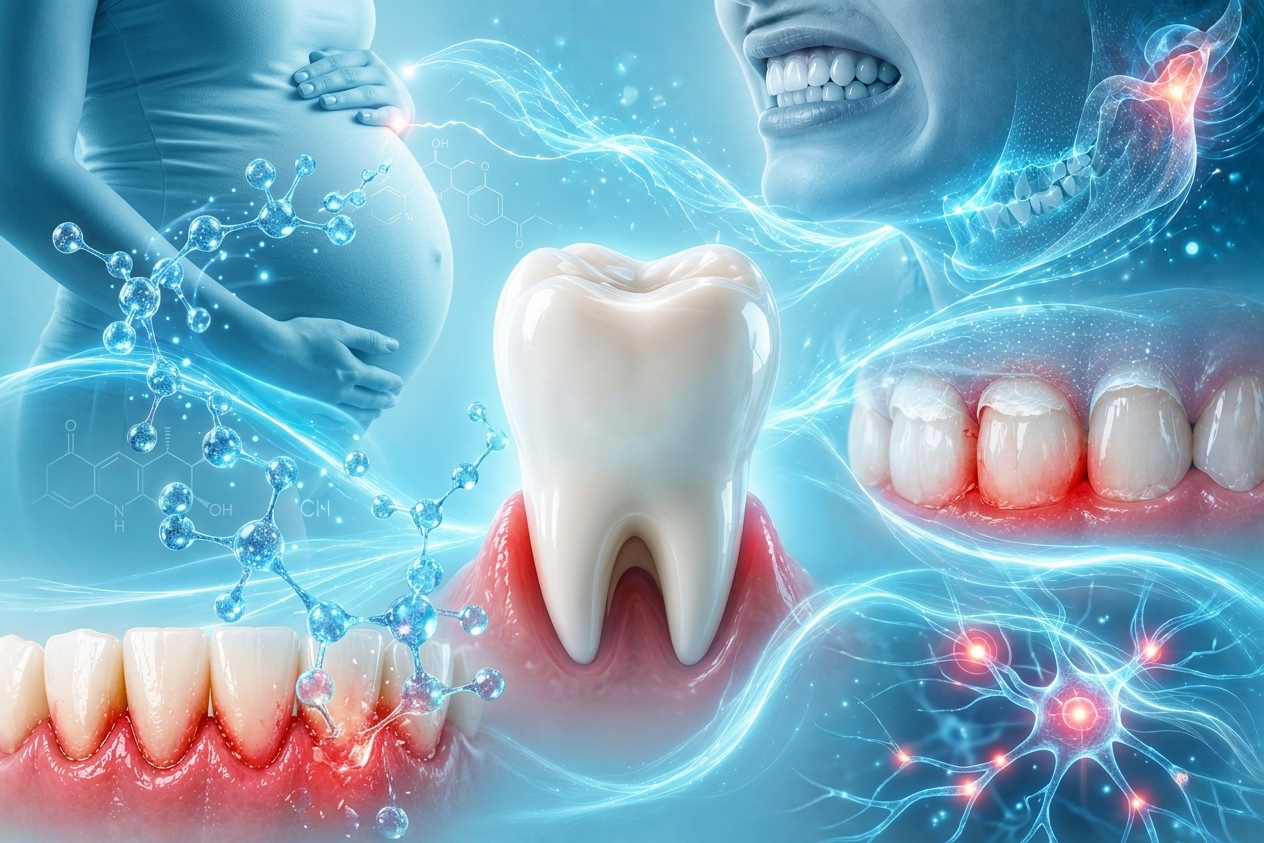
How Pregnancy Affects Oral Health
During pregnancy, levels of hormones such as oestrogen and progesterone increase significantly. These hormonal changes can affect blood flow, immune response, and gum tissue sensitivity.
As a result, the gums may react more strongly to the same amount of plaque that would normally cause little or no irritation.
This condition is commonly known as pregnancy gingivitis.
What Is Pregnancy Gingivitis?
Pregnancy gingivitis is a mild form of gum disease that occurs due to hormonal changes during pregnancy. It is very common and usually develops between the second and eighth month of pregnancy.
It is not caused by pregnancy itself, but rather by an increased inflammatory response to plaque bacteria.
Signs and Symptoms of Pregnancy Gingivitis
Common symptoms include:
Red or swollen gums
Bleeding when brushing or flossing
Gum tenderness or sensitivity
Persistent bad breath
Slight gum enlargement
These symptoms may vary in severity and often fluctuate throughout pregnancy.
Why Do Gums Become More Sensitive?
1. Increased hormone levels
Higher levels of progesterone can increase blood flow to the gums, making them more prone to swelling and irritation.
2. Heightened response to plaque
Even small amounts of plaque can trigger a stronger inflammatory response during pregnancy, leading to gum discomfort or bleeding.
3. Changes in immune response
Pregnancy naturally alters immune function, which may affect how the body responds to bacteria in the mouth.
4. Morning sickness and acid exposure
Frequent nausea or vomiting can expose teeth and gums to stomach acids, which may contribute to enamel erosion and gum irritation.
Is Pregnancy Gingivitis Serious?
In most cases, pregnancy gingivitis is mild and reversible with good oral hygiene and professional care.
However, if left untreated, it can progress into more advanced gum disease, which may affect:
Gum health
Tooth stability
Overall oral comfort
That is why early management is important.
Can Pregnancy Affect Teeth Directly?
Pregnancy does not directly cause tooth loss or decay. However, certain changes during pregnancy can increase risk factors, such as:
Increased snacking (especially sugary foods)
Morning sickness
Fatigue affecting oral hygiene routines
Dry mouth in some cases
These factors may contribute to plaque buildup if oral care is not maintained.
How to Protect Your Gums During Pregnancy
Maintaining good oral hygiene is safe and highly recommended during pregnancy.
Daily care tips:
✔ Brush twice daily with fluoride toothpaste
✔ Use a soft-bristled toothbrush
✔ Clean between teeth daily (floss or interdental brushes)
✔ Rinse with alcohol-free mouthwash if advised
✔ Stay hydrated to support saliva flow
Professional Dental Care During Pregnancy
Routine dental care is not only safe during pregnancy—it is encouraged.
Dental professionals may recommend:
Regular dental check-ups
Professional cleaning (scale and polish)
Advice on managing gum sensitivity
Inform your dentist if you are pregnant so care can be tailored appropriately.
When Should You See a Dentist?
You should seek dental advice if you experience:
Persistent gum bleeding
Significant swelling or pain
Loose teeth
Severe bad breath
Difficulty eating due to gum discomfort
Early treatment can help prevent complications and maintain healthy gums throughout pregnancy.
Can Pregnancy Gingivitis Be Prevented?
While hormonal changes cannot be avoided, the effects on gum health can often be reduced with good oral care.
Prevention tips include:
Maintaining excellent oral hygiene
Reducing sugary snacks and drinks
Attending regular dental check-ups
Managing morning sickness-related acid exposure
Using gentle brushing techniques
Final Thoughts
Hormonal changes during pregnancy can make gums more sensitive, leading to a common condition known as pregnancy gingivitis. While this condition is usually mild and manageable, it should not be ignored.
With proper oral hygiene and regular dental care, most pregnant individuals can maintain healthy gums throughout pregnancy and beyond.
Book Your Consultation
At Euro Dental Care, we provide gentle and professional dental care tailored to every stage of life, including pregnancy. Our team can help manage gum sensitivity, prevent gingivitis, and ensure your oral health remains in excellent condition during this important time.
If you are experiencing bleeding gums, discomfort, or would like a routine check-up, we are here to help.
Book your appointment with Euro Dental Care today for safe, supportive, and personalised dental care.