
How to Overcome Dental Anxiety
For many people, visiting the dentist can feel stressful or overwhelming. Dental anxiety is a common concern that prevents many patients from seeking the care they need. Fear of pain, needles, or dental procedures often leads to delayed appointments, which can allow minor dental issues to develop into more serious oral health problems.
Fortunately, modern dentistry now offers a range of pain-free and patient-friendly solutions designed to make dental visits more comfortable and less intimidating. From gentle treatment techniques to advanced sedation options, today’s dental practices focus on creating a calm and reassuring environment for nervous patients.
In this guide, we explore why dental anxiety occurs, the pain-free dentistry options available, the different sedation methods used in modern dental care, and practical tips to help nervous patients feel more relaxed during their dental visits.
Why Do Some Patients Fear the Dentist?
Dental anxiety is more common than many people realise. A significant number of patients experience nervousness or fear when visiting the dentist, which can lead to postponed appointments and neglected oral health. Understanding the causes of dental anxiety is an important step towards addressing these concerns and helping patients feel more comfortable during dental care.
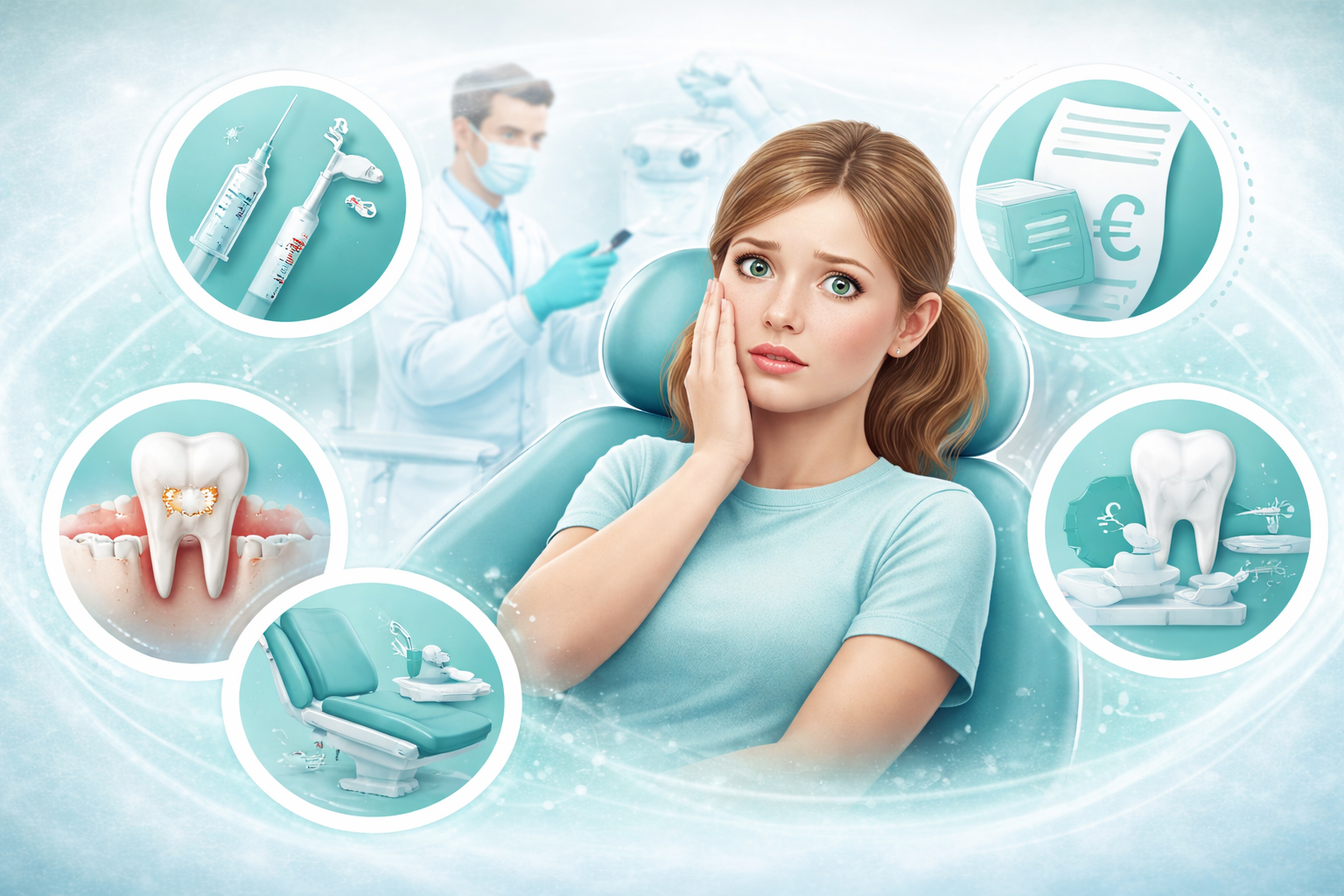
Dental anxiety can develop for several reasons, including:
- Previous negative dental experiences, particularly those involving discomfort or pain
- Fear of pain during dental procedures
- Anxiety related to needles or dental instruments
- Feeling a loss of control while sitting in the dental chair
- Embarrassment about the condition of one’s teeth or oral health
Recognising these concerns is the first step towards overcoming dental anxiety. Many patients are unaware that fear of the dentist is very common and that modern dental practices now offer a range of solutions designed to make dental visits more comfortable and stress-free.
Modern Pain-Free Dentistry
Advances in modern dental technology have significantly improved patient comfort, making many dental procedures virtually pain-free. Today’s dental techniques focus on minimising discomfort, reducing treatment time, and creating a more relaxed experience for patients, particularly those who experience dental anxiety.
Several innovations in dentistry help make treatments more comfortable, including:
Topical anaesthetics, which help numb the treatment area before injections and reduce discomfort
Advanced local anaesthesia, providing precise and effective pain control during dental procedures
Laser dentistry, which can reduce discomfort, minimise bleeding, and promote faster healing
Digital dental technology, enabling more accurate and less invasive treatments
With these modern techniques, dental care has become more comfortable than ever before. Patients who previously avoided dental visits due to fear or discomfort can now receive high-quality, pain-free dental treatment in a calm and supportive environment.
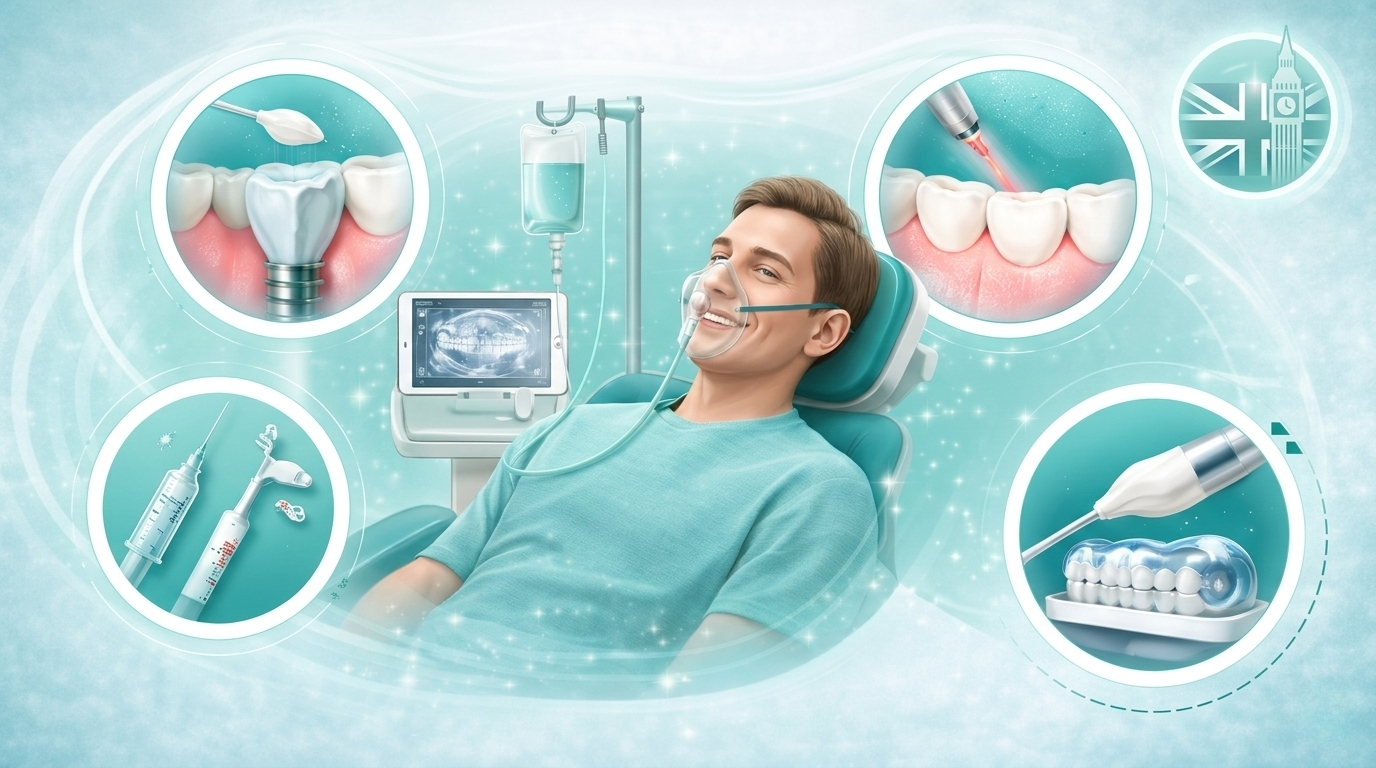
Several innovations in dentistry help make treatments more comfortable, including:
- Topical anaesthetics, which help numb the treatment area before injections and reduce discomfort
- Advanced local anaesthesia, providing precise and effective pain control during dental procedures
- Laser dentistry, which can reduce discomfort, minimise bleeding, and promote faster healing
- Digital dental technology, enabling more accurate and less invasive treatments
With these modern techniques, dental care has become more comfortable than ever before. Patients who previously avoided dental visits due to fear or discomfort can now receive high-quality, pain-free dental treatment in a calm and supportive environment.
Sedation Dentistry: Helping Nervous Patients Feel Relaxed and Comfortable
For patients who experience moderate to severe dental anxiety, sedation dentistry can provide a safe and effective way to make dental visits more comfortable. Sedation techniques are designed to help patients feel relaxed and at ease during treatment while still receiving the dental care they need to maintain healthy teeth and gums.
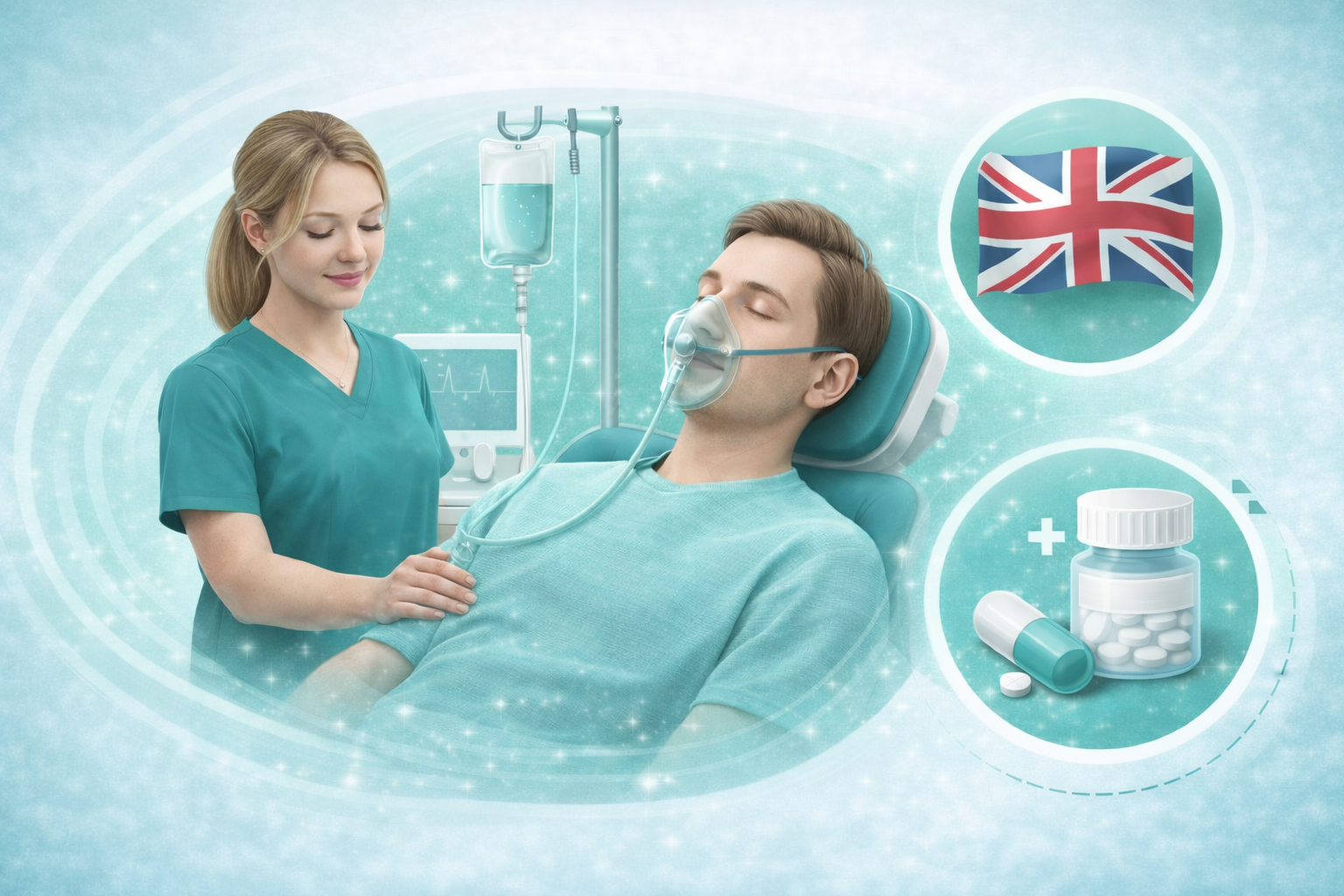
Modern dental practices offer several sedation dentistry options for nervous patients, depending on the level of anxiety and the type of procedure being performed.
1. Nitrous Oxide (Laughing Gas)
Nitrous oxide, commonly known as laughing gas, is one of the most widely used sedation methods in dentistry.
Inhaled through a small mask placed over the nose
Helps patients feel calm and relaxed during treatment
Wears off quickly after the procedure, allowing patients to return to normal activities
Ideal for patients with mild to moderate dental anxiety
2. Oral Sedation
Oral sedation involves taking a prescribed sedative tablet before the dental appointment to help reduce anxiety.
Taken shortly before the dental visit
Produces a relaxed and calm state while the patient remains awake
Suitable for patients with moderate dental anxiety
3. IV Sedation
For patients with more severe dental anxiety or those undergoing longer procedures, intravenous (IV) sedation may be recommended.
Administered directly into the bloodstream by trained professionals
Creates a deep state of relaxation or a sleep-like feeling during treatment
Often recommended for complex procedures or patients with severe dental anxiety
When provided by qualified dental professionals, sedation dentistry is a safe and effective option that allows anxious patients to receive necessary dental treatment in a comfortable and stress-free environment.
Tips for Nervous Dental Patients
If you experience dental anxiety, there are several practical steps you can take to help make your dental visits more comfortable and less stressful. Open communication with your dental team and simple relaxation strategies can significantly improve your experience during treatment.

Patients can help reduce anxiety before and during dental appointments by:
Communicating openly with your dentist about any fears or concerns you may have
Bringing a trusted friend or family member for reassurance and support
Practising relaxation techniques, such as deep breathing or meditation, before and during the appointment
Scheduling morning appointments, which can help reduce anticipatory anxiety throughout the day
Listening to music or using headphones during treatment to create a calming environment
When combined with modern pain-free dentistry and sedation options, these strategies can help make dental visits far more manageable. A supportive dental team will work closely with you to ensure that your experience is comfortable, reassuring, and focused on your wellbeing.
Take Control of Your Dental Anxiety
Dental anxiety should never prevent you from receiving the care your teeth and gums need. Avoiding dental visits due to fear can allow minor oral health problems to develop into more serious conditions over time.
Fortunately, modern dentistry now offers a range of pain-free treatment techniques, sedation dentistry options, and patient-focused care approaches designed to help nervous patients feel calm and comfortable during their appointments.
By combining advanced dental technology, gentle treatment methods, and practical anxiety-management strategies, patients can experience dental care in a relaxed, supportive, and stress-free environment while protecting their long-term oral health.
Frequently Asked Questions
-
Dental anxiety refers to the fear, stress, or nervousness associated with visiting the dentist or undergoing dental treatment. It can range from mild discomfort during dental appointments to a severe phobia that prevents patients from seeking necessary dental care. Addressing dental anxiety early can help patients maintain better oral health and regular dental check-ups.
-
Yes. Modern dentistry offers several pain-free dental treatment options designed to improve patient comfort. Advanced local anaesthesia, laser dentistry, and sedation techniques help ensure that most dental procedures are virtually painless and minimally invasive.
-
If routine dental visits cause significant fear, panic, or difficulty completing treatment, sedation dentistry may be recommended. Your dentist will assess your level of anxiety, medical history, and treatment needs before suggesting the most appropriate and safest sedation option.
-
Yes, dental anxiety is also common among children, particularly during their first dental visits. Many dental practices use child-friendly techniques, gentle communication, and behaviour management strategies to help young patients feel more comfortable. In some cases, sedation options may also be considered to ensure a positive experience.
-
There are several ways to make your dental visit more comfortable, including:
Communicating openly with your dentist about your fears or concerns
Scheduling morning appointments to reduce anticipatory anxiety
Bringing a comfort item or listening to music during treatment
Practising relaxation techniques, such as deep breathing before your visit
-
Yes, sedation dentistry is considered safe when administered by a trained dental professional. Your dentist will carefully evaluate your health history and monitor your vital signs throughout the procedure to ensure your safety and comfort at all times.
Book a Stress-Free Dental Consultation
If dental anxiety has prevented you from visiting the dentist, you are not alone. Many patients delay essential dental care due to fear or nervousness. Scheduling a stress-free dental consultation is the first step towards overcoming dental anxiety and restoring your oral health with confidence.
Our experienced dental team provides gentle, patient-centred dental care, using modern pain-free techniques and supportive approaches to help nervous patients feel comfortable and reassured during their visit. We take the time to understand your concerns and create a treatment experience designed around your comfort and wellbeing.
Book your stress-free dental consultation today and take the first step towards a healthier, more confident smile.