
What Are Dental X-Rays and Why Might Your Dentist Recommend Them?
Many dental problems do not always show obvious symptoms in their early stages. While a routine examination allows your dentist to assess the visible areas of your teeth and gums, some issues can develop beneath the surface where they cannot be detected with the naked eye alone.
This is where dental X-rays play an important role.
Dental X-rays are an essential diagnostic tool used to help dentists identify hidden problems, monitor oral health changes, and create accurate treatment plans. If your dentist recommends an X-ray during your appointment, it does not necessarily mean there is a serious issue, and in many cases, it is simply part of preventive dental care.
In this guide, we explain what dental X-rays are, why dentists use them, and how they help protect your oral health.
What Are Dental X-Rays?
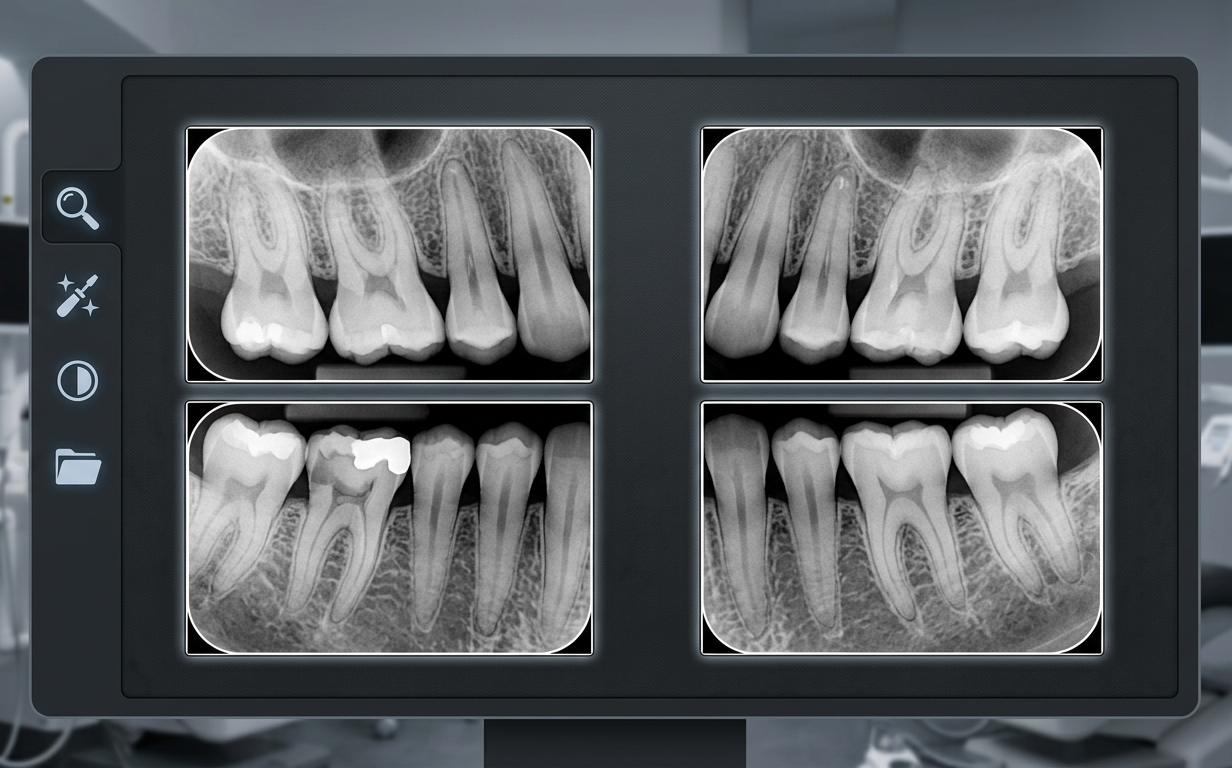
Dental X-rays are diagnostic images that allow dentists to see areas of the teeth, bones, and surrounding tissues that may not be visible during a routine clinical examination.
X-rays use a small amount of radiation to create detailed images of structures inside the mouth, including:
Teeth roots
Jawbone
Supporting bone around teeth
Developing teeth
Areas between teeth
Wisdom teeth
Sinuses and surrounding structures
Modern dental practices commonly use digital X-rays, which produce high-quality images quickly while using lower radiation levels compared with traditional film systems.
Why Might Your Dentist Recommend Dental X-Rays?
Dental X-rays are not performed without reason. Dentists recommend them when they believe additional information is needed to assess your oral health accurately.
There are several common reasons why your dentist may suggest dental imaging.
1. To Detect Tooth Decay Between Teeth
Not all cavities are visible during a routine examination.
Decay often begins in areas that are difficult to see, particularly:
Between teeth
Beneath existing fillings
Under dental restorations
Dental X-rays help identify early decay before symptoms such as pain or sensitivity develop.
Early diagnosis may allow for simpler treatment and reduce the likelihood of more extensive procedures later.
2. To Identify Tooth Infections
Dental infections can sometimes develop beneath the tooth surface without causing obvious symptoms initially.
X-rays can help identify:
Abscesses
Infection around tooth roots
Bone changes
Hidden inflammation
Detecting infections early helps prevent further spread and supports prompt treatment.
3. To Assess Gum Disease
Gum disease affects not only the gums but also the bone supporting the teeth.
Dental X-rays can show:
Bone loss around teeth
Severity of periodontal disease
Changes in supporting structures
This information helps dentists determine the most appropriate treatment approach.
4. To Evaluate Wisdom Teeth
Wisdom teeth often develop below the gums before becoming visible in the mouth.
X-rays can reveal:
Tooth position
Direction of growth
Impacted wisdom teeth
Pressure on neighbouring teeth
This allows dentists to assess whether monitoring or removal may be appropriate.
5. To Plan Dental Treatments
Many dental procedures require detailed imaging before treatment begins.
Dental X-rays are commonly used when planning:
Dental implants
Root canal treatment
Orthodontic treatment
Tooth extractions
Wisdom tooth surgery
Restorative procedures
Accurate imaging helps improve treatment precision and safety.
Types of Dental X-Rays
Different types of X-rays provide different information depending on the situation.
Bitewing X-rays
Often used to detect:
Tooth decay between teeth
Bone loss
Existing restoration problems
Periapical X-rays
Shows the entire tooth structure including:
Tooth roots
Surrounding bone
Root infections
Panoramic X-rays
Provides a wider view of:
Upper and lower jaws
Wisdom teeth
Jaw joints
Overall dental structures
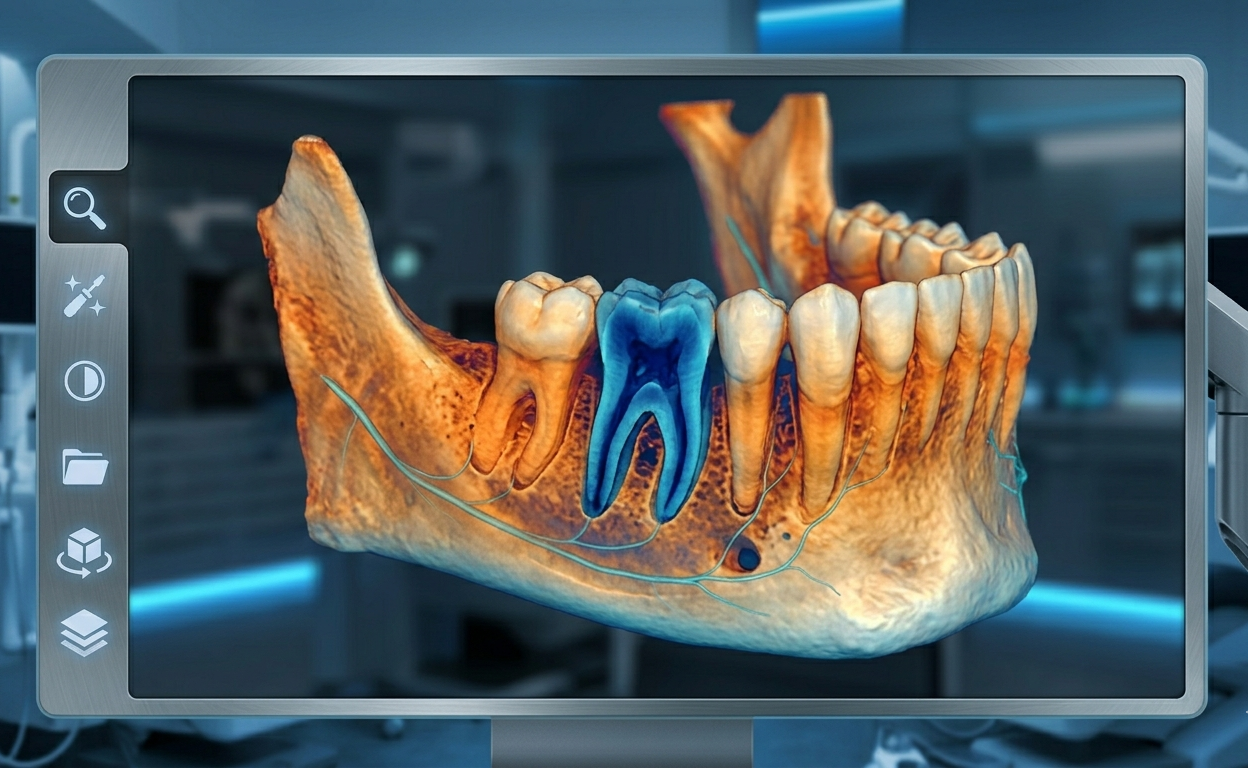
CBCT (Cone Beam Computed Tomography)
CBCT scans create detailed three-dimensional images and are often used for:
Implant planning
Complex extractions
Jaw assessment
Facial anatomy evaluation
Are Dental X-Rays Safe?
A common concern among patients involves radiation exposure.
Modern digital dental X-rays use very low levels of radiation and are considered safe when used appropriately.
Dentists carefully assess:
Clinical need
Medical history
Age
Frequency of previous imaging
X-rays are only recommended when the expected diagnostic benefit outweighs any potential risk.
Protective measures such as lead aprons may also be used when appropriate.
How Often Should You Have Dental X-Rays?
There is no single schedule that applies to everyone.
The frequency of dental X-rays depends on several factors, including:
Oral health history
Age
Risk of tooth decay
Gum health
Existing dental problems
Ongoing treatment needs
Some patients may require more frequent monitoring, while others may need X-rays less often.
Your dentist will recommend imaging based on your individual circumstances.
What Happens During a Dental X-Ray Appointment?
Dental X-rays are typically quick and straightforward.
During the procedure:
Small sensors or imaging devices are placed inside or around the mouth
You may be asked to bite gently into position
Images are captured within seconds
The dentist reviews the images immediately if digital systems are used
The process is generally painless and usually takes only a few minutes.
Benefits of Dental X-Rays
Dental X-rays provide several important advantages:
✔ Detect hidden dental problems early
✔ Support accurate diagnosis
✔ Help plan treatments effectively
✔ Monitor changes in oral health
✔ Reduce the risk of complications
Early detection often means simpler, less invasive treatment.
Final Thoughts
Dental X-rays are an important part of modern dentistry and help identify problems that may not be visible during a routine examination. From detecting hidden decay and infections to planning treatments and monitoring oral health, X-rays provide valuable information that supports better long-term outcomes.
If your dentist recommends an X-ray, it is often a proactive step designed to protect your oral health rather than a sign that something is seriously wrong.
Book Your Consultation
At Euro Dental Care, we use modern dental imaging technology to help diagnose problems accurately and support personalised treatment planning. Our experienced team is committed to delivering high-quality care while ensuring your comfort throughout every stage of your dental journey.
Whether you need a routine examination, wisdom tooth assessment, or advanced treatment planning, we are here to help.
Book your appointment with Euro Dental Care today and take a proactive step towards protecting your smile and long-term oral health.